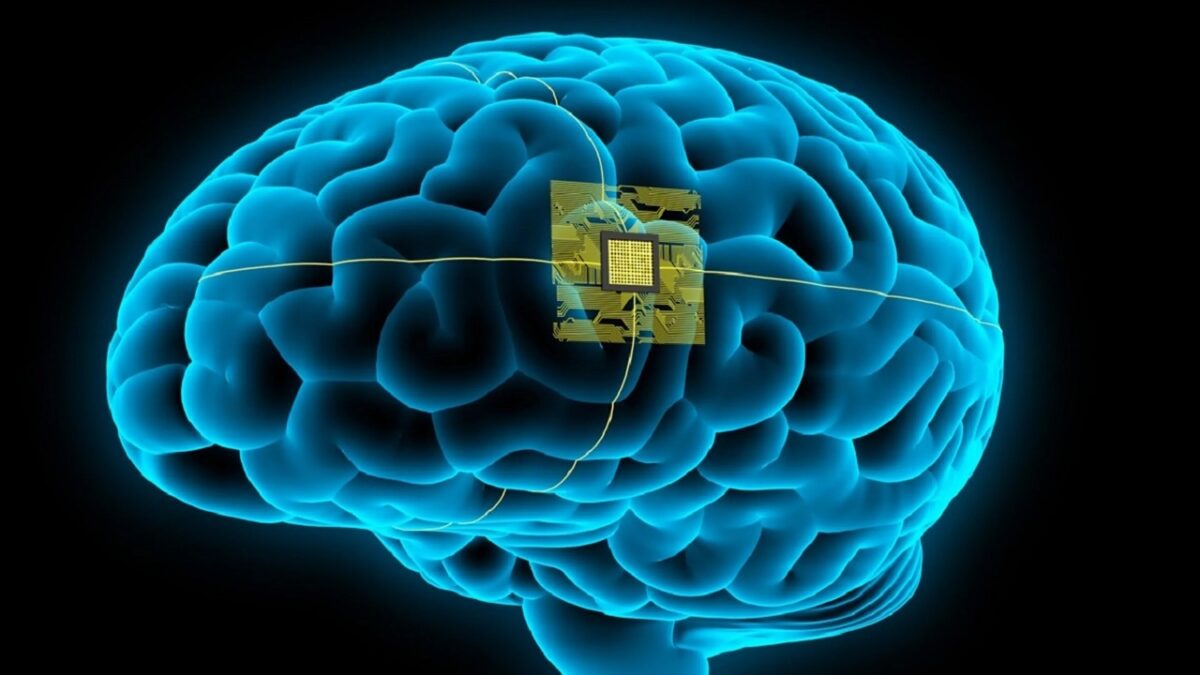
Meta has introduced an innovative device capable of translating brain activity into text, achieving a remarkable accuracy of 80% in identifying letters through neuronal activity.

This advancement, however, comes with significant limitations: the device, which weighs approximately half a ton and costs 2 million dollars, requires a special environment to operate and the user must remain completely still during its use.
The system, developed by artificial intelligence and neuroscience teams at Meta, analyzes brain activity and, based on the magnetic signals emitted by neurons, can determine which keys are pressed, thus interpreting a person’s thoughts.
How this precise Meta interface works
A través de un escáner de magnetoencefalografía (MEG), se recopilan hasta 1,000 instantáneas de la actividad cerebral por segundo, lo que permite a un modelo de IA, llamado Brain2Qwerty, identificar las letras correctas que se están “escribiendo” mentalmente.
While the system shows impressive potential for improving the understanding of brain function, its current practical application is limited. Users need to be in a specially protected room to block the Earth’s magnetic field, which is trillions of times stronger than the signals emitted by the human brain. Additionally, any slight movement of the head disrupts the accuracy of the reading.
Despite the device’s restrictions, the non-invasive approach of this research offers a less dangerous alternative to more intrusive technologies, such as those developed by Neuralink, which require brain implants.
La investigación también podría contribuir a tratamientos para lesiones y enfermedades neurológicas, abriendo nuevas oportunidades en el campo de la neurociencia.
Historically, technology tends to become more accessible over time. While today this machinery seems enormously complicated and expensive, it is plausible that, with the advancement of research, what is now laboratory equipment could become more portable devices in the future.