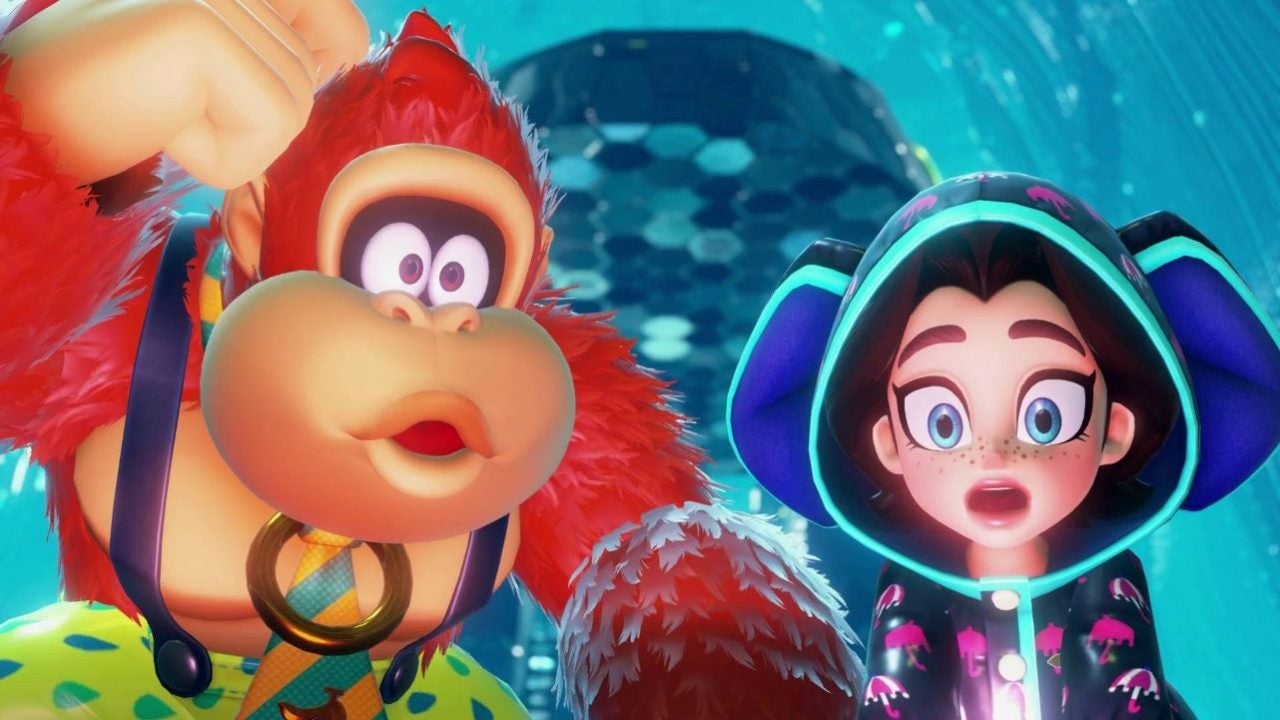
Sound director Naoto Kubo has revealed some of the challenges behind the audio production of Donkey Kong Bananza, the new installment of the Nintendo franchise. Kubo, in a recent interview with the Japanese site Nintendo Dream Web, detailed the use of real melons to record sound effects, a process that required a bountiful harvest during the summer. This recording technique falls under the Foley method, which is used in audio production to capture ambient noises that may not be picked up by a conventional microphone.
Let’s break it all!
The process was not easy; the production faced a shortage of quality melons during the fall, which forced the team to wait until the following summer to complete the necessary recordings. “We recorded the sounds of crushing and smashing melons, however, the recordings could only be made right after summer ended”, commented Kubo, highlighting the difficulty of finding ideal melons to achieve the desired sound. Ultimately, the use of these fresh melons made the sound effects so juicy that they were also incorporated into other elements of the game, such as the burgers from Donkey Kong.
In addition to the technical aspects, the game features a large melon in the Resort Layer that Donkey Kong must crush, which adds an emotional challenge for both the character and its creators. Kubo mentions that this type of interaction adds depth to the game, although the game director suggests that players enjoy the experience without being overwhelmed by the detailed lore analysis that is still being discussed in the community.
In summary, while the players of Donkey Kong Bananza enjoy adventures on the Switch 2 platform, it is essential to remember the effort and dedication that the development team has invested, even if that has meant smashing countless melons along the way.