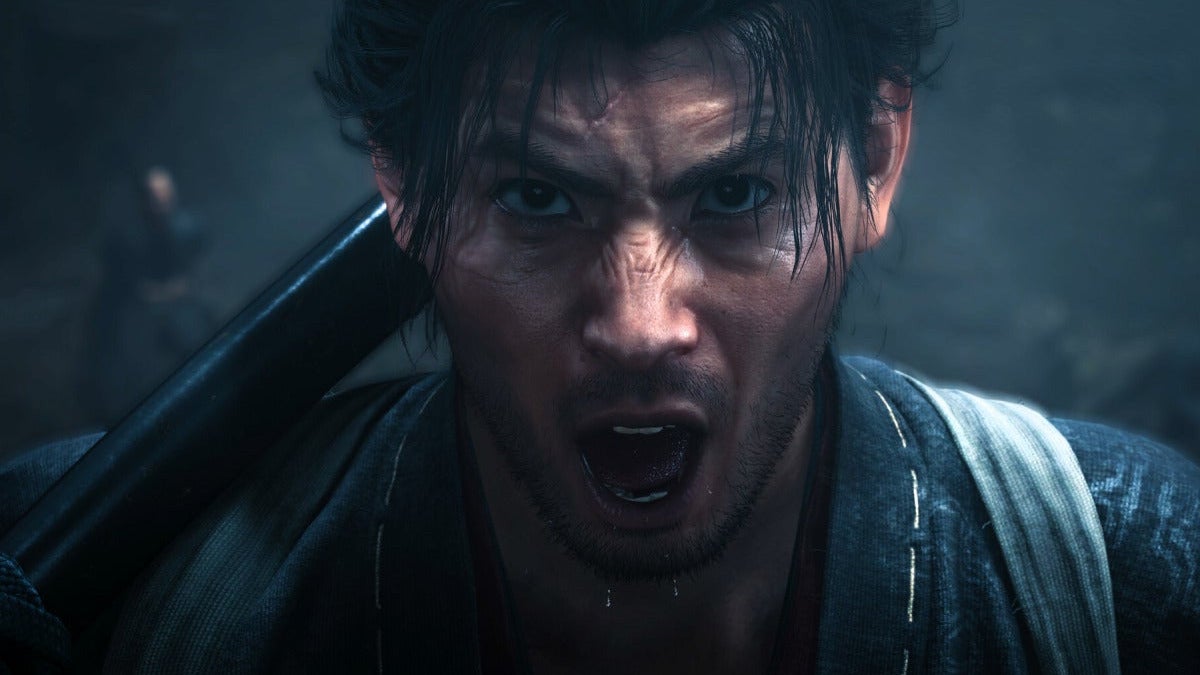
Today saw the release of Onimusha: Way of the Sword, the return after 20 years of the beloved Onimusha franchise. With good reviews and an excellent year for Capcom, which has already released the acclaimed Resident Evil Requiem and Pragmata, everything seems to be in place for it to succeed. And may it remind us that Onimusha is a franchise that was once one of the PS2’s standout series. Not just nostalgia.
Because although today it may seem otherwise, Onimusha was in its day synonymous with quality games that, while they didn’t compete with the Resident Evil franchise, did have their moment in the spotlight. Not without good reason. That’s why we’re going to take a look back at the games in the franchise, how it began and why it faded into obscurity. At least, until now, when it has returned with a new installment that seeks to bring it back into the present.
A very unusual Resident Evil spinoff
The Onimusha franchise begins with the release of Onimusha: Warlords, its first installment, in 2001. But it doesn’t do so in a vacuum. Created by Yoshiki Okamoto, it’s a video game with a very unusual history. Because it was originally going to be a Resident Evil in the Sengoku era, medieval Japan, in a “ninja house” for the first PlayStation.
In the end the idea was scrapped, but it can be seen in the final game. A game with tank controls like the classic Resident Evils and that, although much more action-focused, strikes a balance between horror and adventure that strongly evokes Resident Evil. With puzzles worthy of Capcom’s most beloved franchise, intense battles against final bosses and a tremendously original setting, it would be a tremendous success that would create a new hit franchise for the company.
But the real breakthrough came just one year later, in 2002, with the release of its sequel: Onimusha 2: Samurai’s Destiny. Expanding the premise of the first, reinforcing its own identity and leaning further into action, the game was harder, more humorous and also much longer, introducing a group of companions we could interact with and even unlock parallel stories to discover throughout the game.
This turned the game into a cult classic. And that even today it’s fondly remembered. That doesn’t change the fact that it is, also, the game with the least-defined identity: although it tries different and interesting things, it doesn’t pull all of them off, and it’s here that the franchise is still neither one thing nor the other. Neither a samurai Resident Evil nor a full-fledged action game. As we’re going to see, its subsequent installments already are.
A franchise focused on action
Seeing the success of the franchise, Capcom decided not to waste any time: in 2004 they released a sequel called Onimusha 3: Demon Siege. Much more focused on action, with the action sequences directed by Donnie Yen, it even introduced a French companion, named Jacques Blanc, played and voiced by Jean Reno. Which is why many people consider this the definitive version of Onimusha: it’s where it finally came into its own, a total refinement and, at the same time, where Capcom gave it the budget it needed to fully deliver.
And only two years later they made the fourth and last sequel for twenty years. Onimusha: Dawn of Dreams would all but abandon its adventure elements in favor of an action RPG that, although interesting, didn’t work as well as the previous three. Turning it into the black sheep of the franchise and making Capcom decide to shelve it for 20 years.
Until now, when they have revived it with Onimusha: Way of the Sword. More inspired by its second installment, but with more emphasis on combat, it’s an action adventure that seems to be searching for its own identity: a more cinematic and spectacular game with some Sekiro-like touches. And it seems to be getting people excited. So, after all, it seems it isn’t just nostalgia that excites people about Onimusha. Because after 20 years, this franchise that, for 4 years, was a huge deal, is still going strong.
