
The battle against digital piracy is not new for Adobe. For years, many users have been able to access the company’s programs illegally, almost without restrictions. However, this fight has reached another level: we are no longer talking about software licenses, but also about accessing technologies such as generative artificial intelligence.
Now, Adobe has blocked its powerful generative AI, Firefly 4, in the pirated versions of its programs. The company aims to ensure that only legitimate users can take advantage of its incredible features.

Adobe Firefly 4: what is it?
When we talk about Adobe Firefly, we are referring to the family of generative AI creative models owned by Adobe.
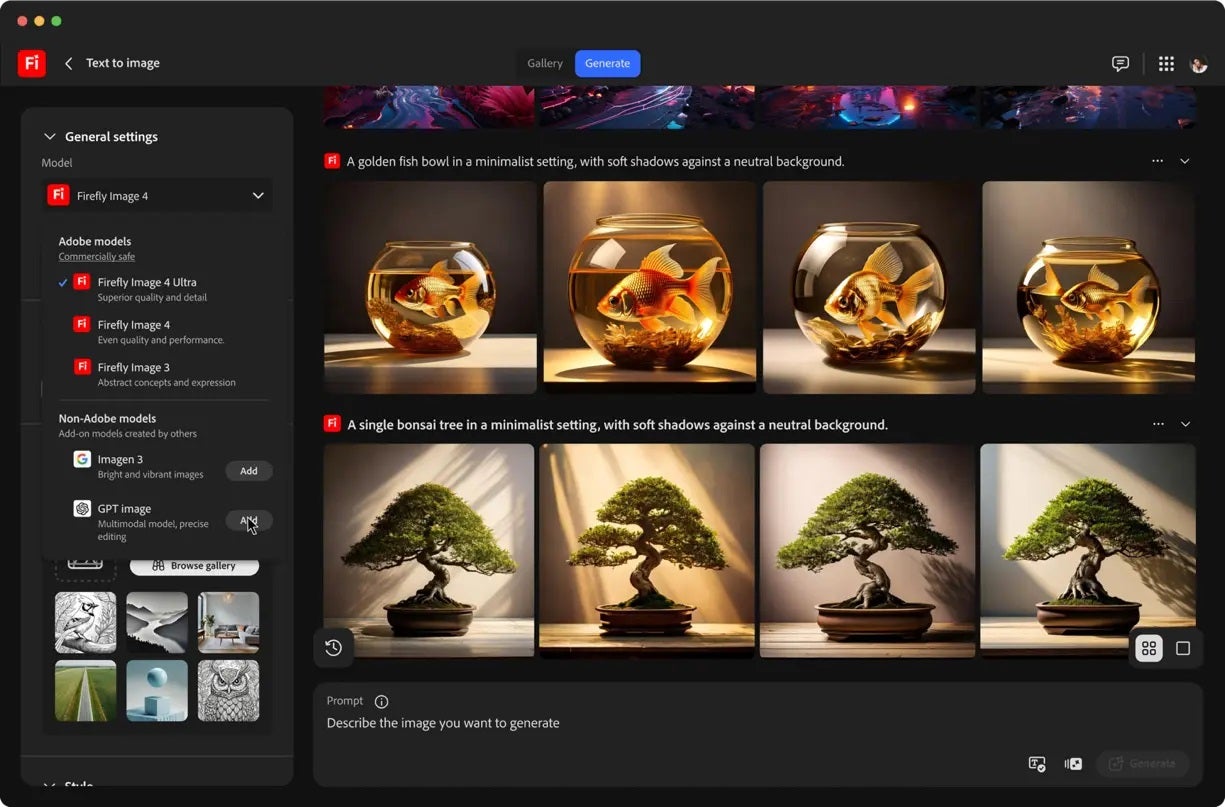
Adobe Firefly 4 is, as of today, the latest version of this AI. With it, we can create images, videos, and more with an impressive level of detail and without the need for advanced knowledge in design or editing.

The Firefly technology is integrated into Adobe’s most important programs such as Photoshop, Illustrator, and Premiere, among many others. Additionally, it also has its own application so that we can generate content in a more direct way.
To use it, we just need to write what we want to generate; the program will translate your instructions or prompts into visual content.
Some of the latest Firefly models are:
- Image Model 4 and 4 Ultra: although both allow you to generate detailed images, there are some differences. Image Model 4 will be useful for quick creations or simple illustrations. With the Ultra version, you will get much more realistic results.
- Firefly Video Model: with this model you can create very detailed and photorealistic video clips.
How does Adobe block the use of Firefly?
Adobe continues to update itself every year to protect its software and quickly identify unofficial versions. Although in most cases they seem to work without issues, they have a series of limitations.
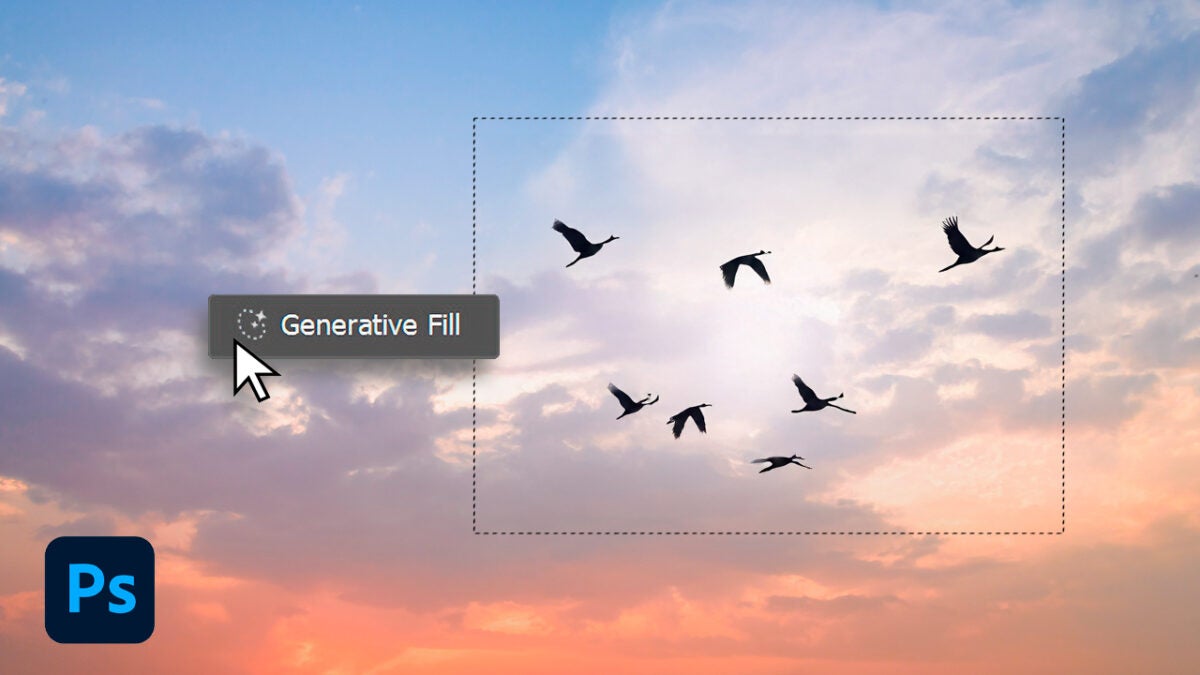
- No cloud access: Many of Adobe’s most powerful features require the cloud to function. This means that pirates cannot take advantage of features like Generative Fill, for example.
- Absence of generative credits: Generative credits are the currency that Adobe uses to generate images and videos, something inaccessible for those with an illegal copy.
- Limitation of advanced options: The advantages provided by models like the Image Model 4 Ultra become unusable, making the experience much more basic.
At Softonic, we have several tutorials and articles that will help you make the most of Firefly and its features in Adobe programs.
This is Adobe Genuine Service, Adobe’s tool against piracy
Adobe has its own “weapons” to determine if the Photoshop installed on your computer is official or not. Adobe Genuine Service is one of the most important as it periodically checks if your programs are legitimate.
In summary, Adobe Genuine Service (AGS) is responsible for checking that the installed applications are genuine. In case you have any, AGS will notify you about it and provide information on how to resolve the issue.
But how does AGS know if your programs are official or not? What the service does is check several data points such as the application serial number, the Adobe code, and the license.
In other cases, there are users who have installed unofficial programs out of ignorance. Thanks to the AGS, they can know how to address the situation and avoid frauds. Additionally, it also has specialized resources to guide customers and help them decide which programs are the most suitable for them.
And it is worth remembering that unauthorized downloads also carry a very important risk for the user. According to Adobe’s own data, companies that use unlicensed software packages have a 90% chance of encountering malware.
To avoid any kind of deception, access Adobe programs from their official page, Adobe.com or from an authorized distributor.
Adobe’s fight against piracy
Adobe’s position is very clear on this matter. In addition to defending its interests, it also puts forward a new paradigm: access to the most advanced features necessarily goes through legitimate software.
Aside from improving its security systems, Adobe is also aware of who it targets with its products. That’s why, as of today, Adobe offers a wide variety of plans tailored to the needs of each user.
