Everything comes through the eyes. We can apply this phrase to many things in life, and to marketing in particular. The images we use to sell our products go beyond aesthetics; they are a direct conversion factor. Here, Photoshop and Adobe Firefly can be of great help in our work.
Product photography continues to be one of the biggest bottlenecks in a project, especially due to the time it takes to create them until final approval. Integrating Photoshop and Adobe Firefly into your work will allow you to gain speed without compromising quality.

Product photography, a bottleneck for many companies
Traditional product photography poses challenges that can be very difficult for smaller companies to tackle. The most significant is the high costs associated with professional photography productions.
Renting a studio, organizing logistics, making changes, touch-ups, etc. For growing catalogs, repeating a photoshoot every time a change is needed, for example, is practically unfeasible. Therefore, both Photoshop and Adobe Firefly can help you save time and money.
For an e-commerce, a good image does not have to be perfect. What really matters is that it is clean and clear, to showcase the product without distractions. It also needs to be consistent with other products in your catalog and be reliable, so that the customer knows exactly what they will receive.

How to use Photoshop and Adobe Firefly to take product photographs
The combination of both programs can help you improve your product photography and produce more without compromising the quality of the images. Photoshop will be where we do the foundation of our work, with Firefly acting as a kind of “extra enhancement”.
To demonstrate it, let’s go with an easy workflow that you can easily apply:
Part of a simple photo
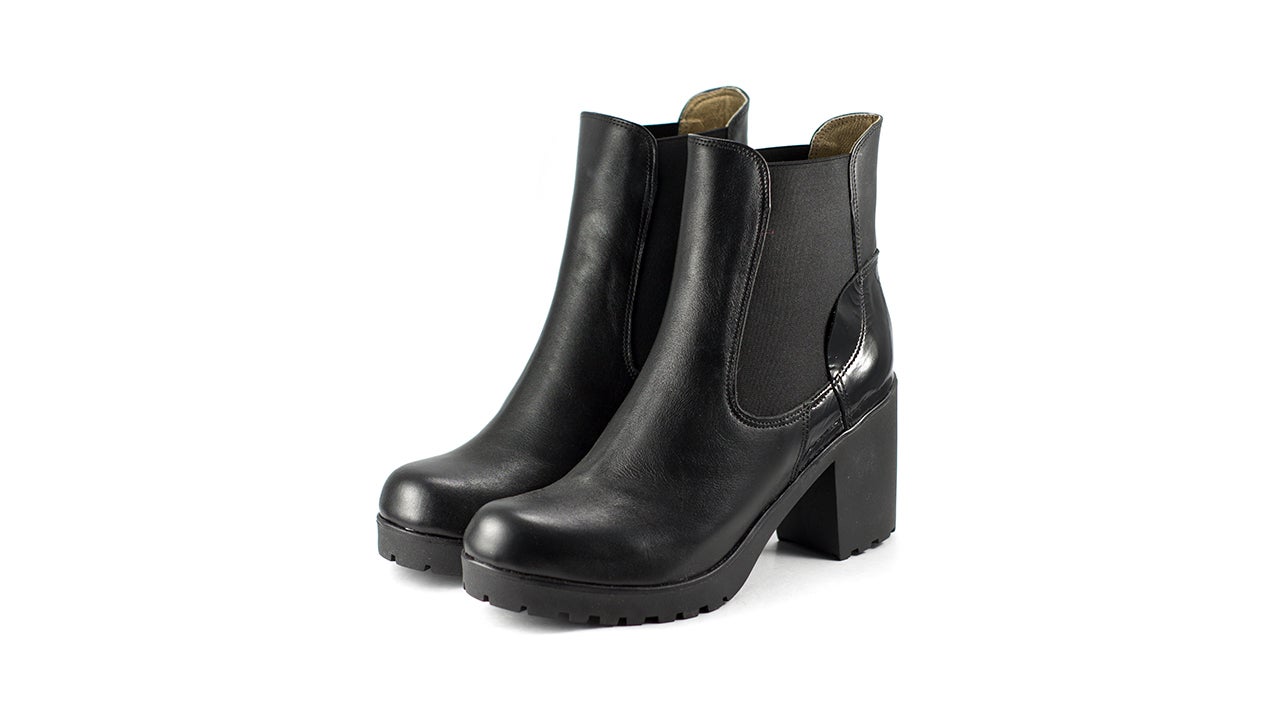
We will start with a functional photo that we already have. This should meet a series of requirements, such as having even lighting, that the product is visible, and that it has a neutral background.
It doesn’t matter if the framing is tight or if the background doesn’t fill the entire canvas. This will be resolved later with Photoshop and Firefly. The better the photo, the better results you will get with AI.
Retouch with Photoshop
Now, we will edit the image within Photoshop. In this case, we will isolate the main object (the shoes) to place it in different environments. There are several ways to cut out an object, but the most common is with the Selection tool.
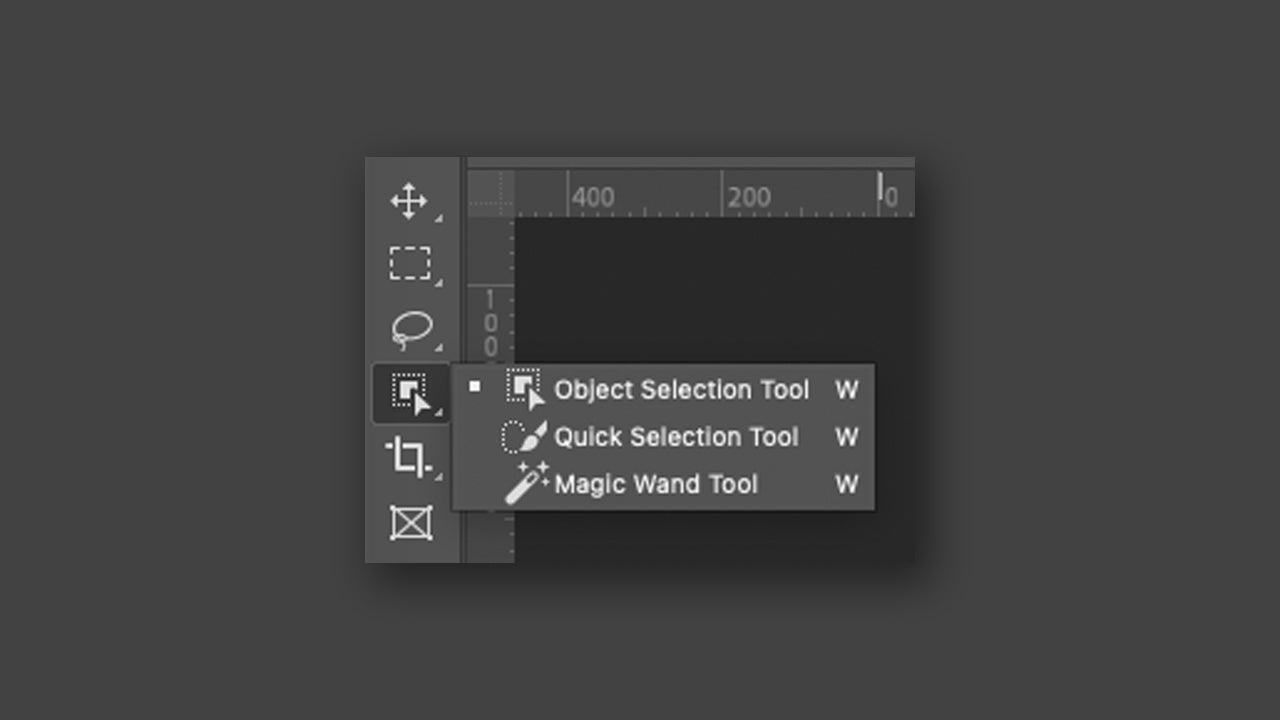
Fortunately, the background is very simple, something that will benefit us when cutting out the shoes. Choose the Magic Wand tool and click on Select Subject. To the right of Select Subject, you will see an arrow where you can switch between Device and Cloud. This is to choose where the image processing takes place, either on your own PC or from the cloud. You will get better results if you choose Cloud.
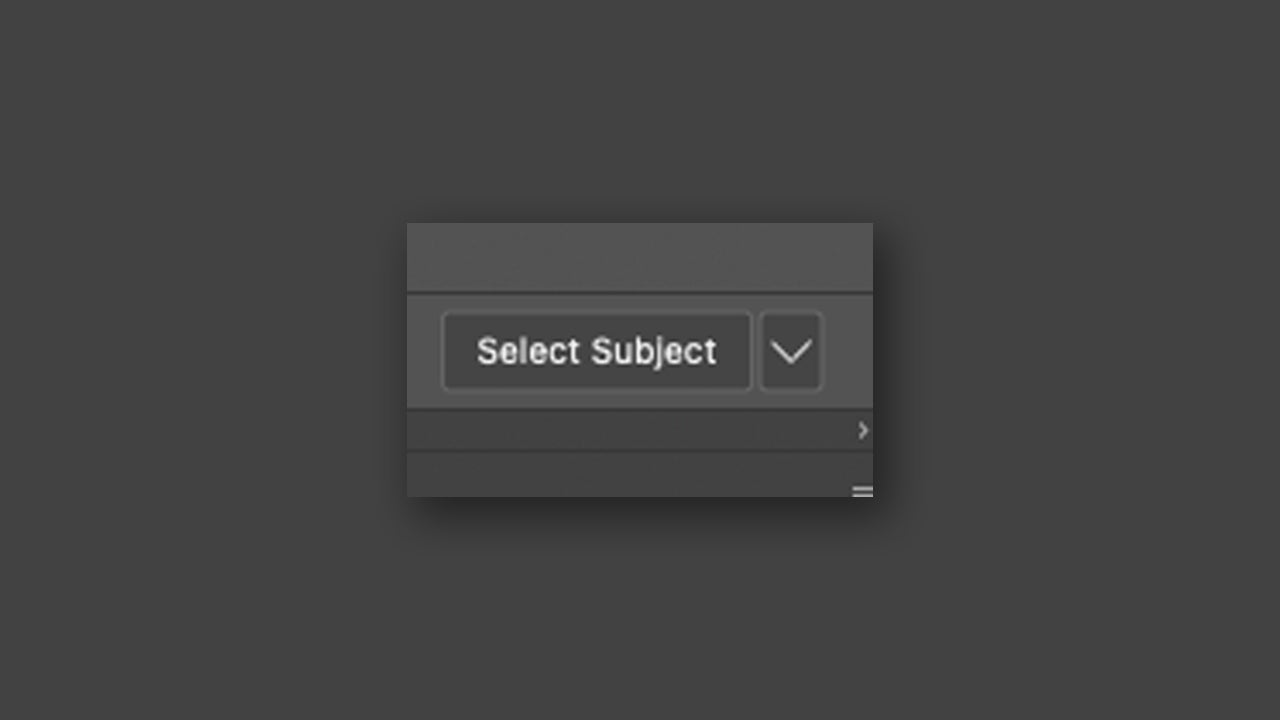
Once you click on Select Subject, Photoshop will automatically select the object. Next, press the keyboard shortcut CTRL + J (CMD + J on MacOS) to duplicate the selected part onto another additional layer.
Another alternative would be to use the Object Selection Tool. To use it, you simply need to draw the area to be selected and then Photoshop will automatically detect the object that is within that area.
Adjust the canvas size
The most likely scenario is that the photo you are working with does not have the ideal size for publishing on social media or printed catalogs. From Photoshop, you will need to adjust it yourself in Image > Canvas Size. You will be able to enter the measurements in pixels, centimeters, and more.
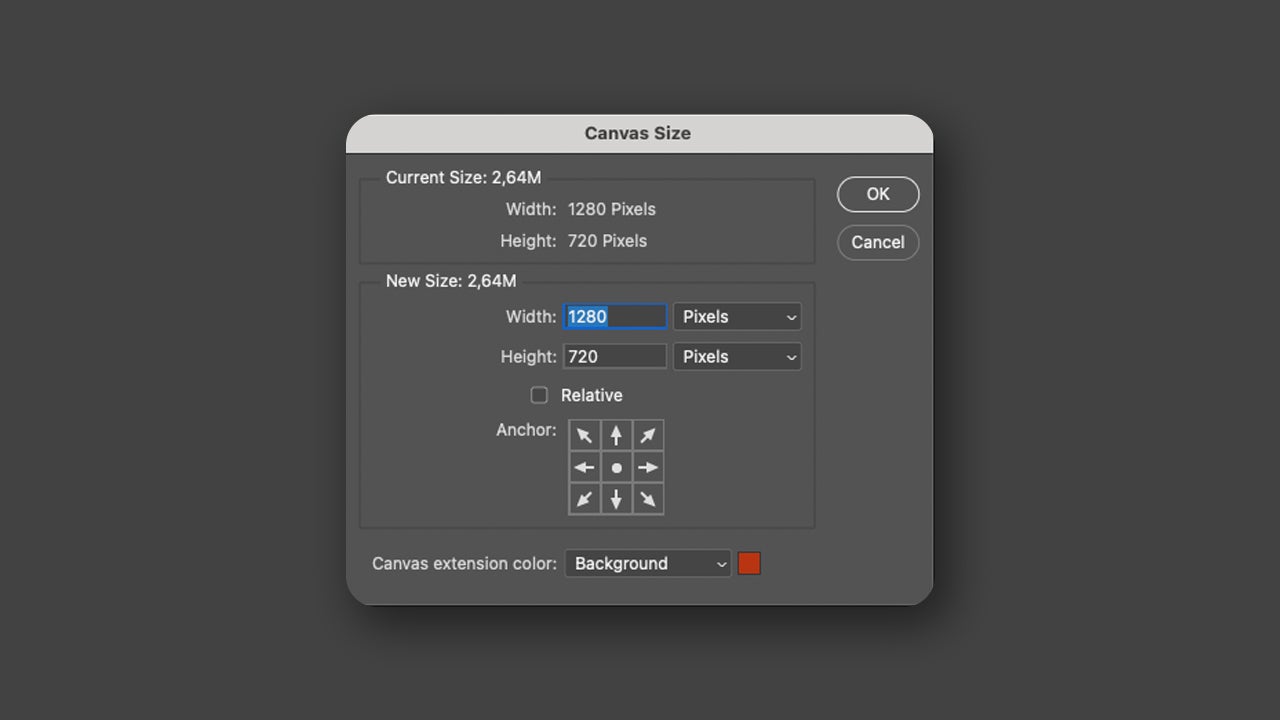
The most important thing is that you should never crop the product to fit the canvas: enlarge the image itself if necessary. You can fill the extra space if you want with the Generative Fill function. Using it is as easy as selecting the area you want to fill with the selection tools (lasso, rectangular selection, elliptical, etc.) and then selecting Generative Fill from the context menu.
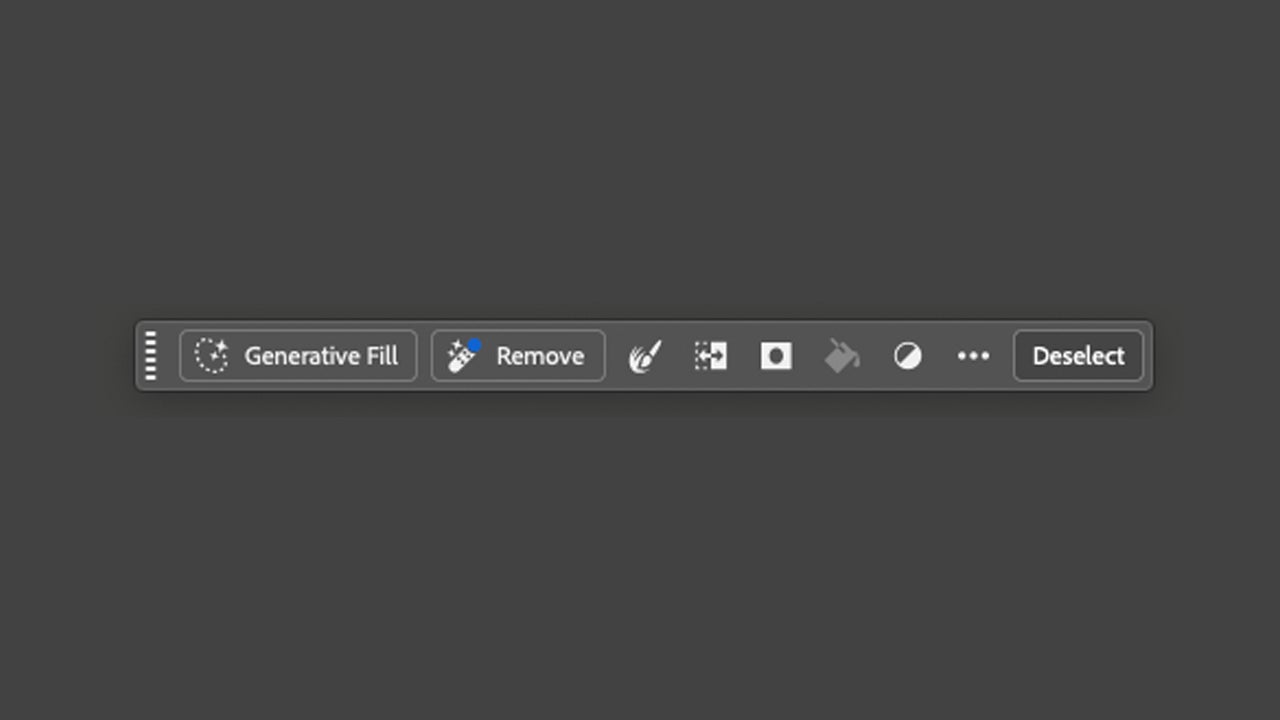
If that contextual menu does not appear, activate it from Window > Contextual Task Bar.
Adapt and generate a background with Adobe Firefly
Adobe Firefly e is the generative AI technology developed by Adobe. We can use it within programs like Photoshop or from its own standalone platform. Generative Fill is one of those tools powered by Adobe Firefly.
Through Generative Fill, you can create backgrounds and fill empty spaces within your product photographs. Select the product we had isolated (the shoes in our case) with the Quick Selection tool and invert the selection to select the background.
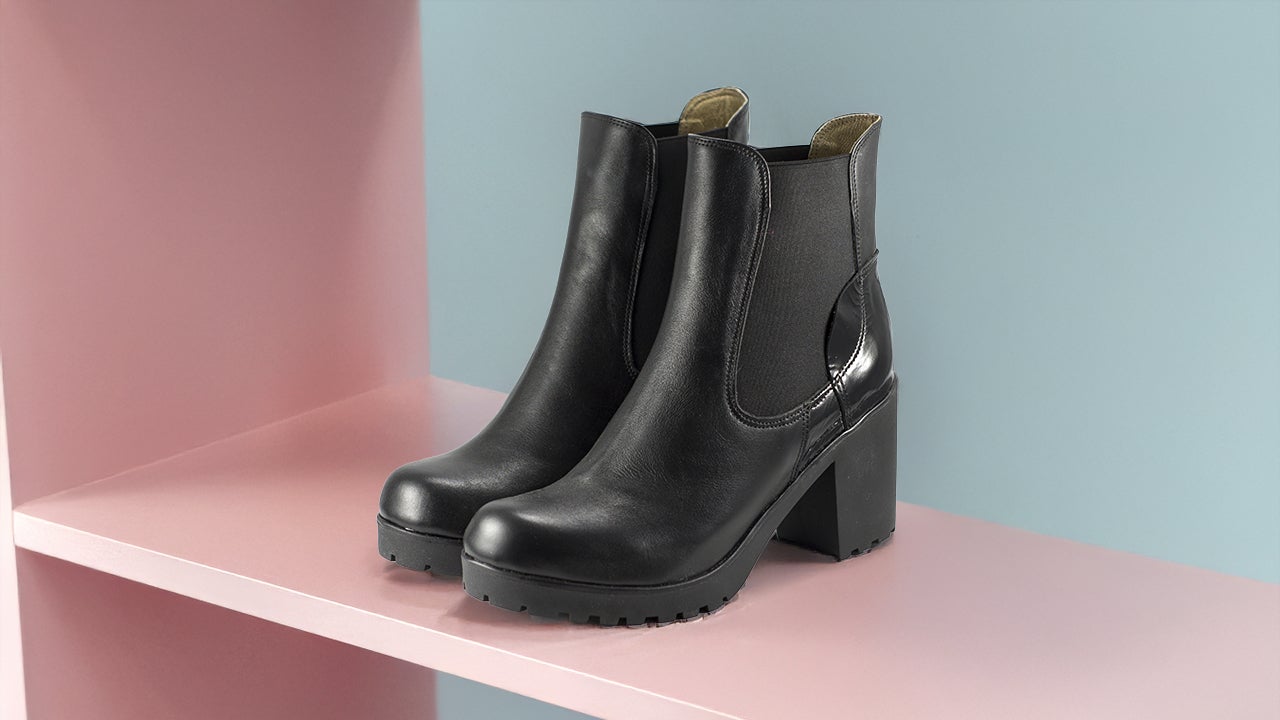
Then, click on Generative Fill and write a description for the background. In our case, what we put was object on top of a pink shelf, top view. Select Generate and wait to see the results. You will see three different options; choose the one you like the most. You can also repeat with new generations and descriptions if you want to refine further.
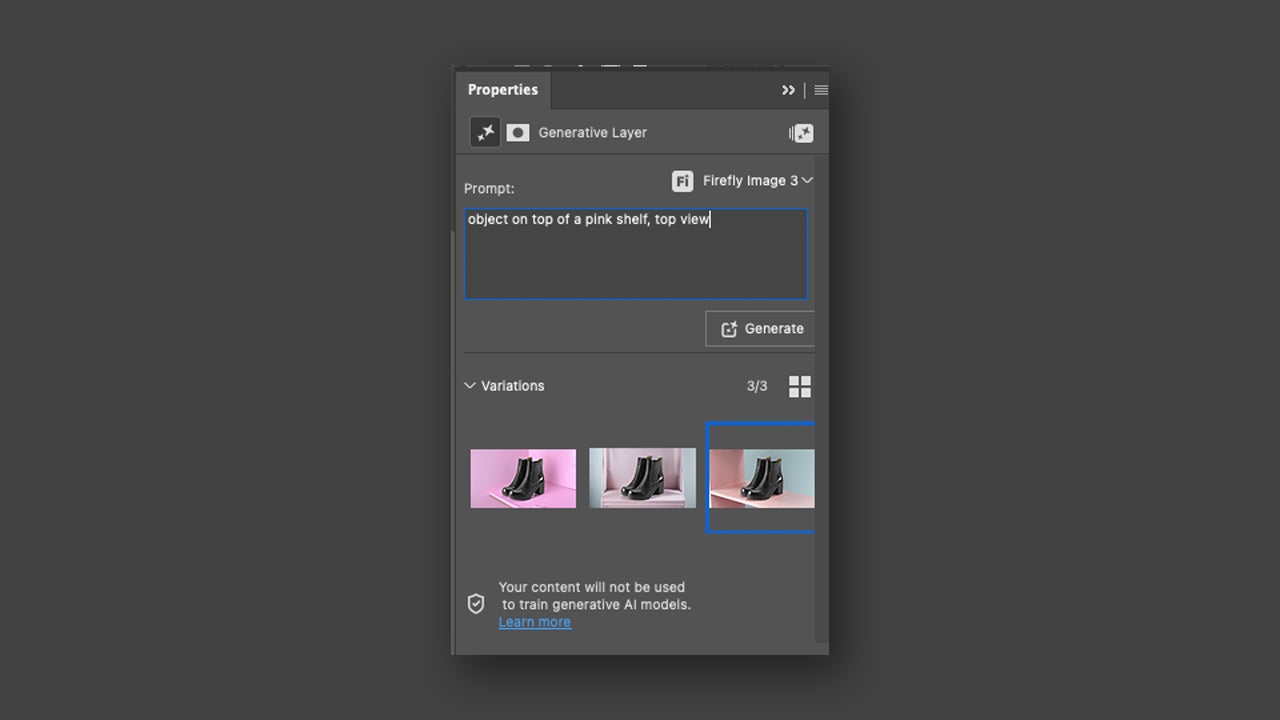
As a tip, it is important that you do not introduce overly complex or convoluted prompts; the best approach in these cases is to use simple descriptions. This way, you will achieve better results.
You can generate different variants to see other options or create versions adapted to the place where it will be published. Check that everything is correct and finish adjusting lights, colors, and more. With the base image ready, you can duplicate the file and create variations for any type of purpose.
Mistakes to Avoid and Tips
When writing prompts, it is very useful to use positional terms, such as “above,” “in front of,” “on a surface,” and similar. It will help generate much more precise backgrounds.
With the use of Remove Tool, you can easily remove any element that disrupts your composition without excessively altering the image. Above all, remember not to lose sight of your edits; maintaining your brand image takes precedence over any type of result.
Can I use Adobe Firefly in my work safely?
The short answer to this question is yes. Adobe only trains its models with content that it has permission or rights to use. According to Adobe itself, this prevents the creation of content with Firefly that infringes any type of copyright.
In addition, the content generated by Firefly automatically contains Content Credentials. These are a type of permanent metadata that act as a kind of digital label.