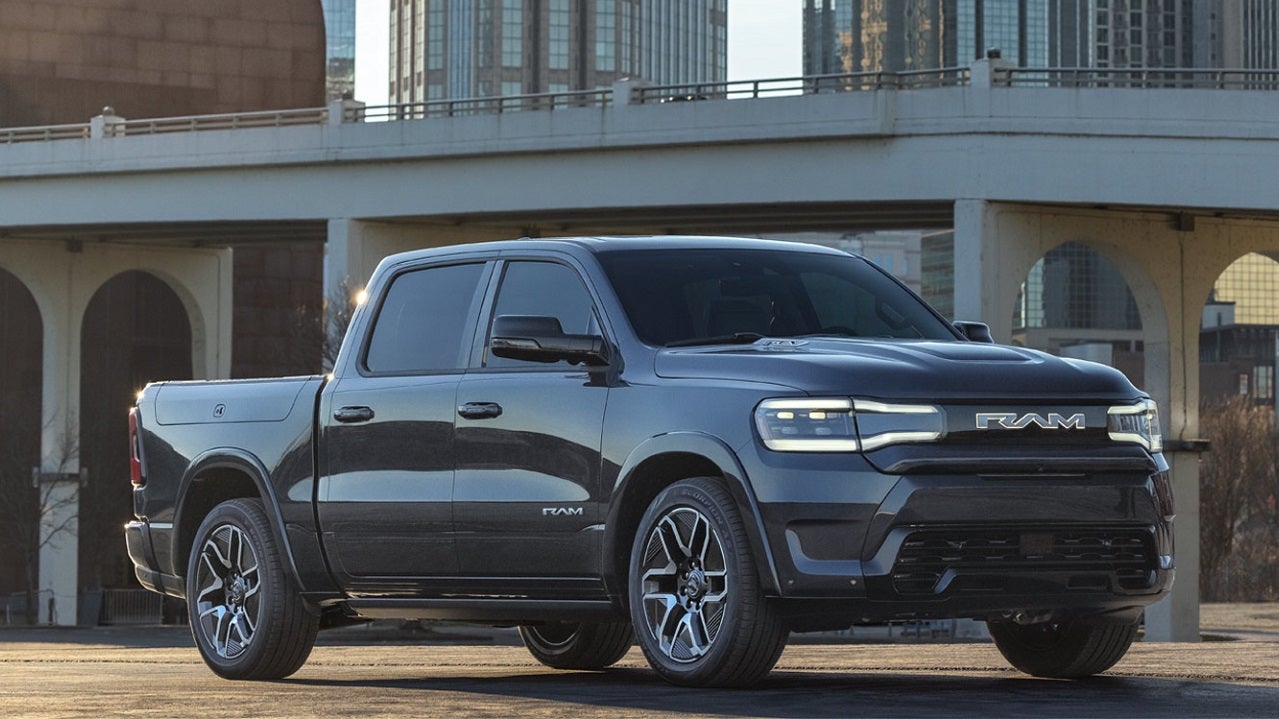
The automotive landscape is undergoing a significant transformation as manufacturers strive to adapt to the growing consumer demand for electric vehicles (EVs).
However, the road to success in the electric truck market has proven to be more complicated than expected. The recently unveiled Ram 1500 REV, which combines an electric powertrain with a gasoline range-extending generator, is a prime example of the challenges facing this segment.
Slated for release in 2023, the Ram 1500 REV has already experienced two delays, calling into question its anticipated impact on the market.
Can the 2026 Ram Ramcharger Succeed Where Others Have Failed?
Ford’s experience with the F-150 Lightning has cast a shadow over the electric truck segment. Initially projected to achieve blockbuster sales, the F-150 Lightning has seen demand fall short of forecasts, suggesting a limited appetite for large, expensive electric trucks among consumers. This trend raises important questions about the future viability of these vehicles, especially as automakers invest heavily in their development.
The 2026 Ram Ramcharger seeks to address some of these concerns by offering a unique combination of electric and gasoline technologies. While this range-extending feature could potentially alleviate range anxiety for consumers, its success hinges on overcoming existing perceptions regarding price and value in the electric truck market.
As such, the Ram 1500 REV and its competitors must not only deliver on performance but also offer a compelling case for why consumers should choose electric over traditional fuel options.
The challenges faced by the Ram 1500 REV and Ford’s F-150 Lightning reflect a broader trend in the automotive industry as manufacturers pivot toward electrification. While innovation is essential, the lukewarm reception for high-priced electric trucks suggests that automakers may need to recalibrate their strategies to attract more diverse segments of the customer base.
With economic uncertainties and shifting consumer preferences, the coming years will be critical for establishing the future of electric trucks.