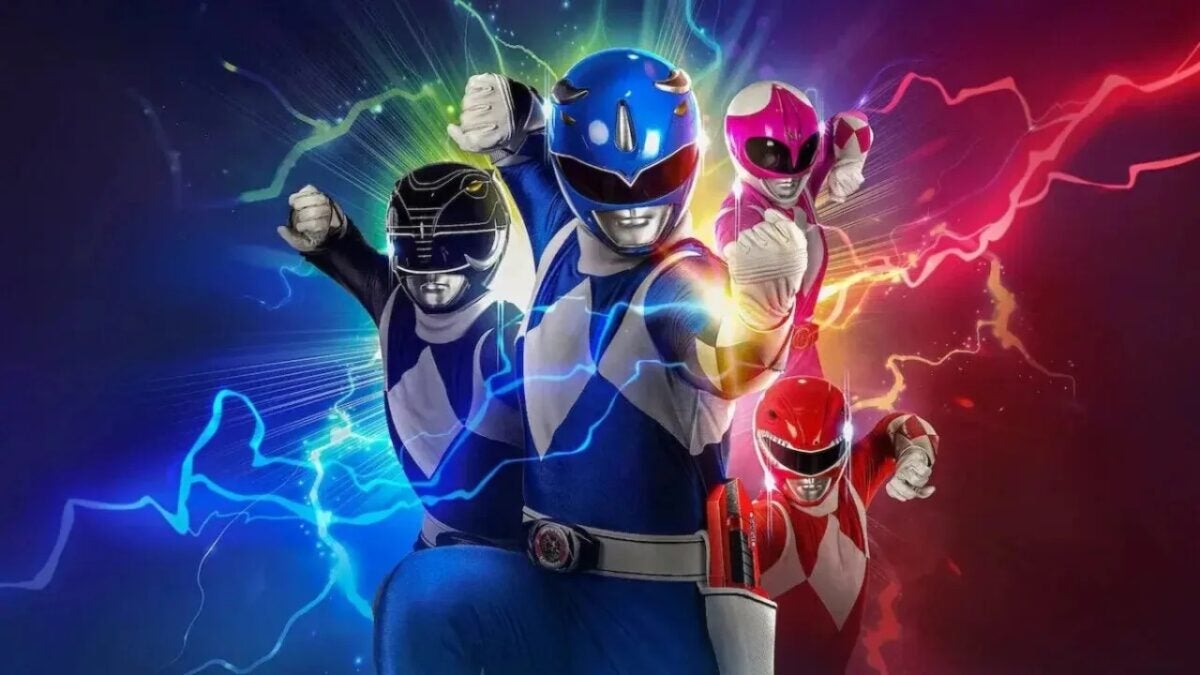
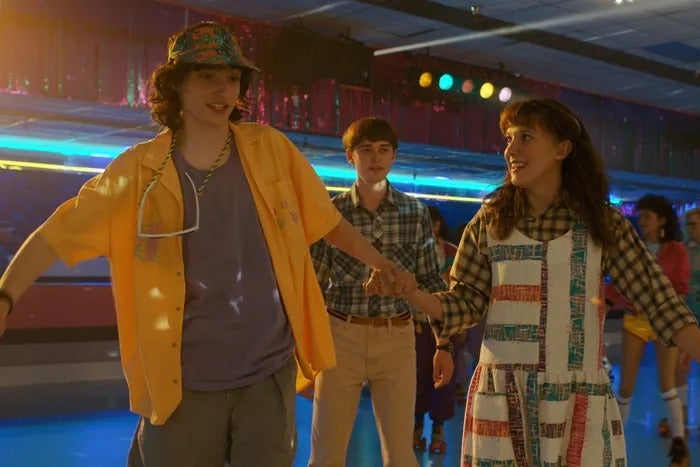
Ok, that we live in the age of nostalgia is something we already have pretty clear. Ever since Stranger Things became Netflix‘s most popular series based on capitalizing on the melancholy of the eighties, more and more cultural products have not stopped emerging with the basis of remembering those wonderful years when everything seemed to be better.
We start with new approaches to mythical sagas like Ghostbusters or Jurassic Park. We continued with series and movies set in past eras with the intention of bringing back everything that seemed to us to be better, such as It or Guardians of the Galaxy -which uses music as a base to take us to previous decades-. We continued with products derived from others that took us deeper into the worlds we already knew, such as The Mandalorian or Cobra Kai. And we end with the current trend of telling the real stories behind the things that make us nostalgic, such as Tetris or Blackberry.
In addition, nostalgia has also been advancing in terms of decades. At first we longed for the eighties and, for us, it was the best era in history – even if some of us had not even lived through it. Gradually we moved on to the nineties, and the Game Boy replaced the arcade as the main attraction. Finally, we are experiencing a throwback to the 2000s, with the primordial Internet of Fotolog or Messenger coming back to prominence. And it is not long before we are going back just a decade.
But have we grown tired of the nostalgia culture? Are we living an overexploitation of everything that used to simply make us sigh with melancholy? The short answer is yes, and there is one phenomenon that makes this clear: reunions.
Those wonderful? years
Beyond carrying out new movies or series -with more or less success- based on previous products or with nostalgic intention, for some time now reunions have become fashionable, which are nothing more than small specials or documentaries in which the classic cast of a series or movie returns to say how cool it was to do that.
We have already had reunions of Friends, Harry Potter or The Fresh Prince of Bel-Air. And there are even specific sections of some platforms that only feature past reunions. But while it may seem like a way to re-engage a safe audience and blow nostalgic minds, these reunions don’t always work as well as they should.
The best example of this has just arrived on Netflix. The title of the reunion is Mighty Morphin Power Rangers: Once & Always and we already told you at length about it on Softonic. The reunion was sold as an epic special that would review a mass phenomenon that reached everyone in the nineties. An incredible chapter in which we could meet its protagonists again.
But… rather the opposite has been the case.
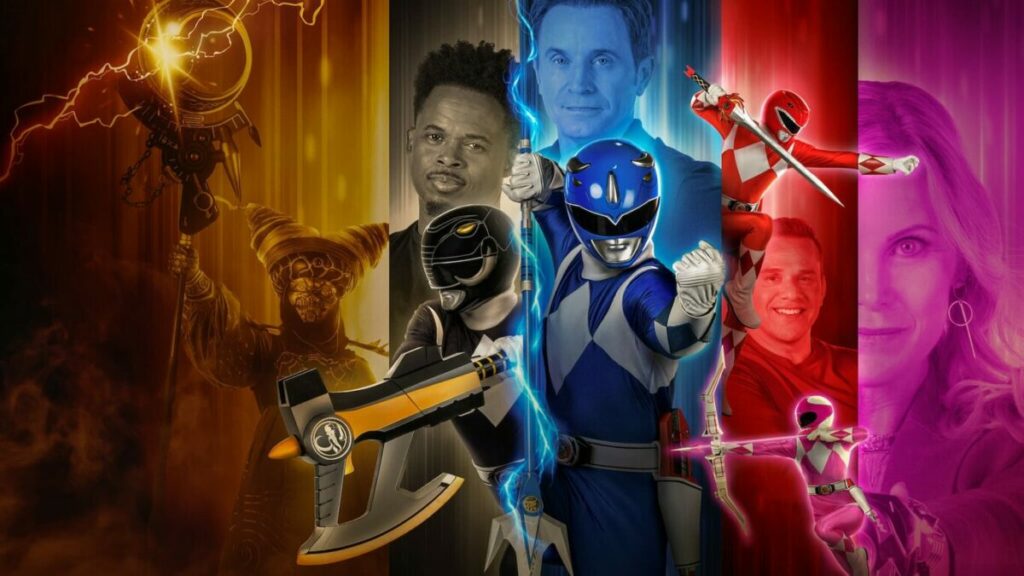
As if it were The Simpsons’ grandfather telling anecdotes about the war, the protagonists of Mighty Morphin Power Rangers: Once & Always appear in a rather ridiculous way, quoting just a few random facts and trying to get to the emotion without succeeding. They are always kept under layers of botox, somewhat cold memories and the constant feeling that no one really wants to be there.
Furthermore, Mighty Morphin Power Rangers: Once & Always can’t even be considered a complete reunion. Barely four actors from the main cast, several supporting players, and some of the technical crew who didn’t seem entirely essential either, appear. The absences are more striking than the presences: Amy Jo Johnson, the Pink Power Ranger, refused to participate, and Jason David Frank died just a few months before filming.
In addition, there is no room for mourning either: instead of leaving emotional moments for the actors to really show some pain and to make the passage of time count, everything is passed over in a sober way, in pursuit of scenes that border on the ridiculous. And not so much for what they represent but for how they represent it, taking themselves too seriously when not even the original series did.
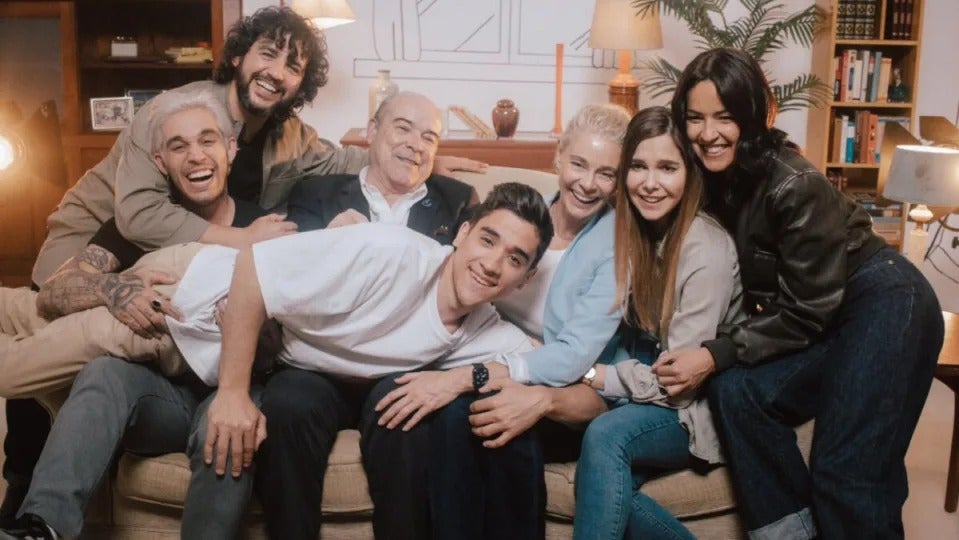
Even so, this is just one more example of the many reunions we are seeing lately. In fact, we are specialists in that in Spain. Just a few days ago we saw the long-awaited reunion of Los Serrano, the series that marked a whole generation during the 2000s. But it was only in a video clip, and when Telecinco announced the reunion, they just broadcasted the video clip and then the first episode of the series… leaving the viewers as fools.
In a new exercise of media nostalgia, it is becoming increasingly clear that they are simply looking to remember for the sake of remembering, with no need to go further and for the sole pleasure of telling the public “Do you remember this? You are not the only one who misses it!” In its wake, the film industry is increasingly suffering from a lack of imagination and desire, and the platforms are betting on continuing to exploit the old glories.
From nostalgia to franchising
Despite its dismal quality, it cannot be said that Mighty Morphin Power Rangers: Once & Always has been a failure. Netflix does not disclose its data, but the documentary remains in the international top of the most watched, and in networks there are many who have made clear their predilection for the reunion.
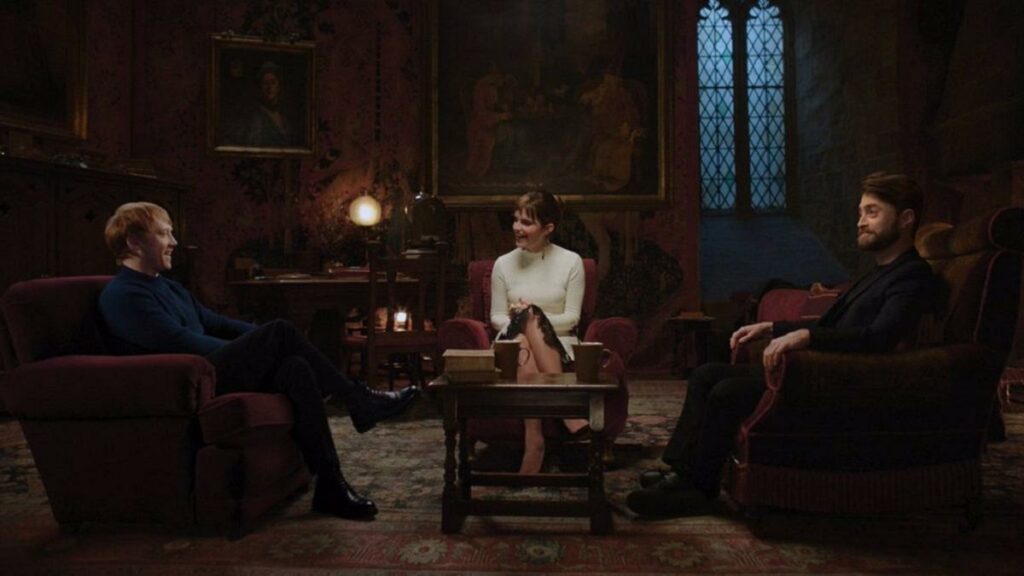
Undoubtedly, these specials are not asked too much. With reuniting the protagonists of the moment, having them talk about what you already know perfectly and seeing how their faces have changed, most of them have enough. In fact, the Harry Potter reunion wasn’t much better – although it did have enough emotionality – and J.K. Rowling didn’t even participate: considering her controversies, she was barely relegated to archival footage of a past interview.
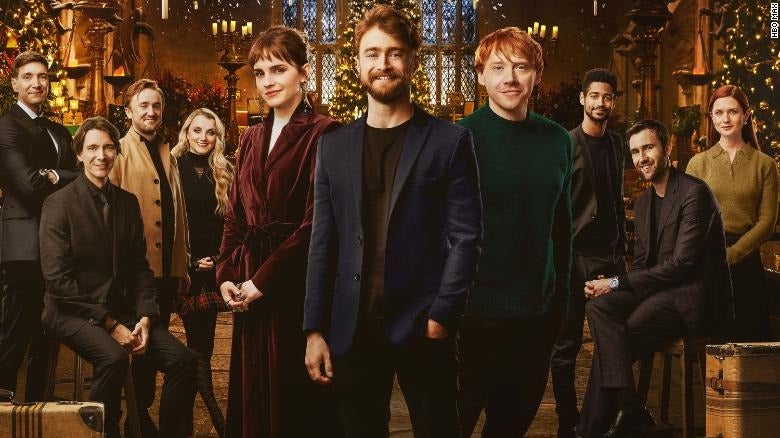
But, when this special appeared, fans of the saga filled the networks with their tears and laughter, and for weeks we had headlines taken directly from their images. It is clear that the only thing they are looking for is to give the public their cheap nostalgia shot, and it matters less and less how it is done… the only thing that matters is that they pay the cash register.
But not all fads last forever, and in the case of nostalgia there comes a time when, surprise surprise, it all comes to an end. We are already seeing some of the trends of the last decades gradually falling, as in the case of superhero movies, which are giving way to other phenomena such as the adaptation of video games.
However, what will happen to nostalgia? Will we continue to have reunions, revivals, spin-offs, remakes… for much longer? Everything seems to indicate that, rather, the market will balance the scales. While reunions are a format that works perfectly, especially thanks to social media and “look at Daniel Radcliffe and Emma Watson in the Harry Potter reunion!” TikToks, everything seems to indicate that there will be a time when the public will get tired of it.
So, although we continue to see reunions from time to time, the culture of nostalgia is becoming something that may even be more dangerous: the culture of franchises. Max’s new strategy, in which it has become clear that Harry Potter has another life, just like Game of Thrones or Batman, adds to Disney’s already classic strategy with Marvel and Star Wars.
And while we are tired of seeing the same story over and over again, IPs continue to survive this trend. So, when the nostalgia ends, the franchises will continue… and we’ll see for how long.
Some of the links added in the article are part of affiliate campaigns and may represent benefits for Softonic.
