Creator of Crazy Frog Reveals Surprising Dislike for His Own Creation

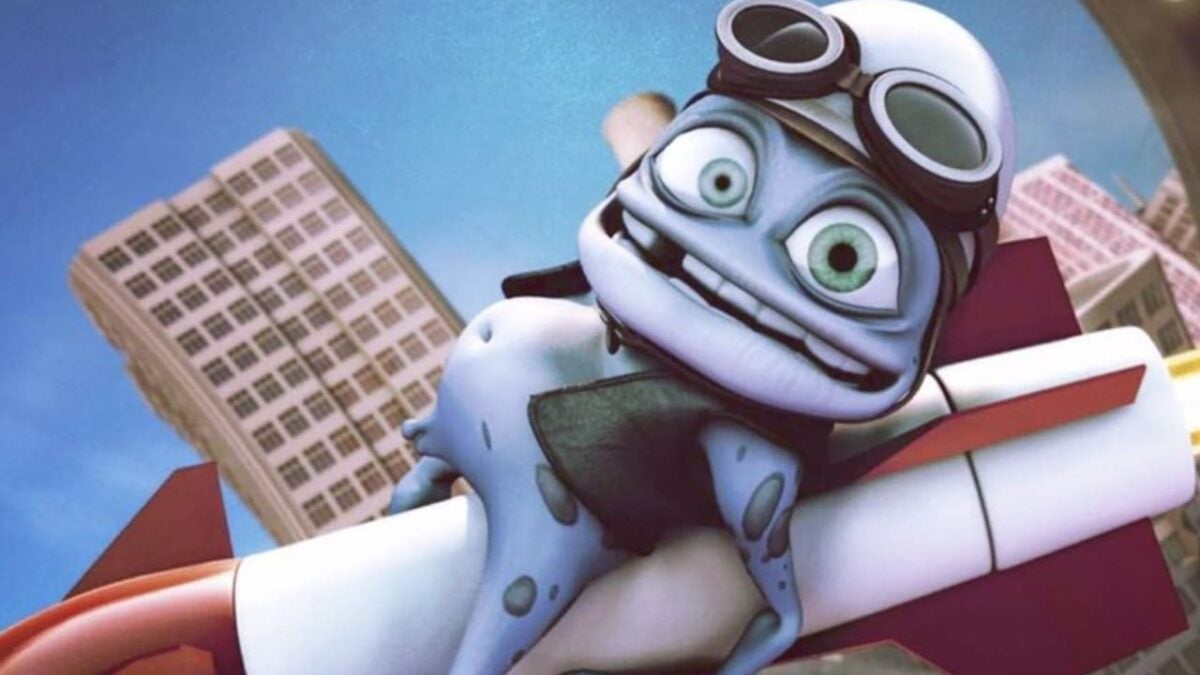
Crazy Frog, that kind of strange creation in three dimensions that sang to the rhythm of Axel F, the old soundtrack of ‘Super Detective in Hollywood’. If you did not have the tone of your first mobile, did you really have your first mobile?

If you didn’t live through the early 2000s, all of this is going to sound really bizarre to you, but the truth is that there was a frog that performed concerts in Australia after releasing just one album and becoming number one worldwide. It was, of course, Crazy Frog, that strange three-dimensional creation that sang to the rhythm of Axel F, the former soundtrack of ‘Beverly Hills Cop’. If you didn’t have it as your first mobile phone ringtone, did you really have a first mobile phone?

Crazy Frog Climber DOWNLOAD

The annoying thing

The concept of going viral in the mid-2000s was still a novelty, but it already had similarities to today’s memes: they were born on the Internet, created by people who didn’t make any money from them, and then companies tried to cash in on them (did someone mention ‘Morbius’?). The story of Crazy Frog begins in 1997 when Daniel Malmedahl, a 17-year-old boy from Gothenburg, Sweden, decided to record himself imitating the sound of a motor and upload it to the early Internet.

The sound was such a success that he was eventually invited to television to perform it again. It became an international viral sensation when a Formula One car sound was added to it. The craze seemed to fade away until Erik Wernquist, six years later, rediscovered the audio and used it as the background for a 3D animation featuring a creature he had created called The Annoying Thing.
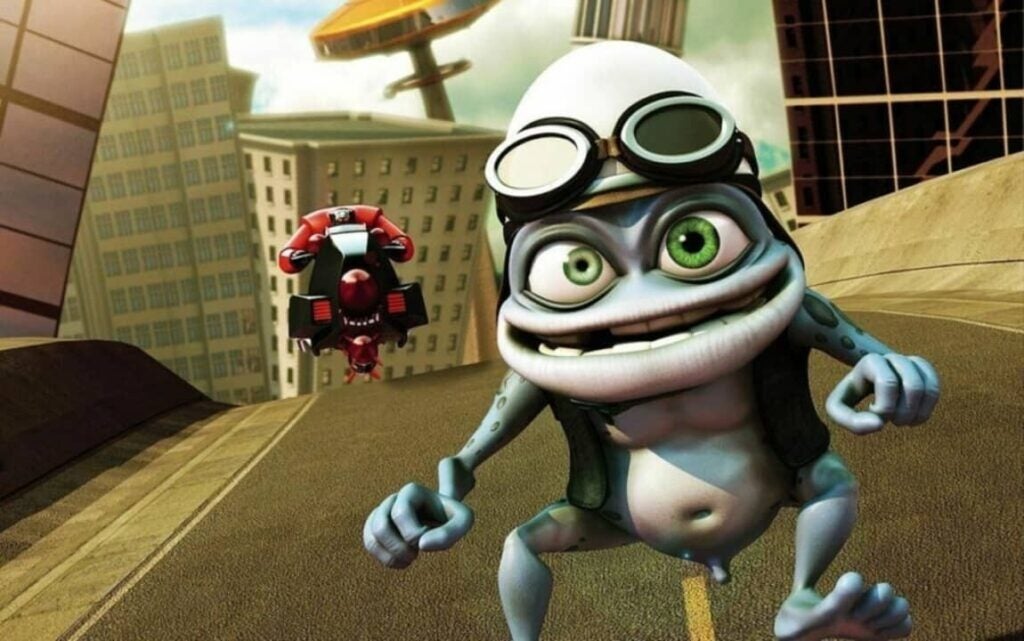
What happened when Crazy Frog started getting more downloads than it could handle? Well, a company quickly caught wind of the money. In this case, it was Jamba!, which was responsible for selling mobile ringtones (remember when these things used to happen?). They paid Wernquist, licensed The Annoying Thing, and changed its name without asking for permission. Thus, the terror of the millennium’s beginning was born: Crazy Frog.

Genitalia and crazy frogs

And if you didn’t live under a rock back then, you’ll know what happened next: the frog released three albums, animations, video games, mobile ringtones (it even aired over 2000 ads per day in the UK), had a Twitter account, merchandise, and topped the charts worldwide with its version of ‘Axel F’ in 2005. It even had its own computer virus and sparked controversy because its genitals were visible.

Recently, Crazy Frog almost ventured into the world of NFTs before facing a backlash from the public, partly as a form of revenge from two decades ago. Love it or hate it, Crazy Frog is a pop culture icon. For example, its creator, Wernquist, isn’t too thrilled about it. In a 2012 interview with the BBC, he said, “If I had known it would become so big, I wouldn’t have allowed them to use that stupid name. It has nothing to do with the character. It’s not a frog, and it’s not particularly crazy.” At least he still holds the rights to The Annoying Thing, and he continues to receive some dividends from it.

Nowadays, Wernquist focuses on animation (he recently completed work on a documentary called ‘This world is not my own’) and tries to distance himself from the time when Crazy Frog almost had a movie, TV series, and almost consumed the entire pop culture landscape. And yes, now you can’t resist the strangely irresistible urge to go on YouTube and search for “Axel F Crazy Frog.” Enjoy the inevitable nightmare when it gets stuck in your head tomorrow.
The Zelda Game That Refused to Die: The Worst Title in the Series Gets a Second Chance on Game Boy

The titles that were programmed for CD-i are considered some of the worst ever. And yet, there are still people who try to resurrect them by any means.

There are three letters that make all video game fans sweat and laugh at the same time: CD-i. The strange Philips format that allowed 744 MB of data to be stored in 1990 promised to revolutionize everything years before PlayStation: games were now on disc, opening a door full of opportunities that Nintendo couldn’t say no to. Sadly: the titles that were programmed for CD-i are considered some of the worst in history. And yet, there are still people who try to resurrect them any way they can.

Visual Boy Advance DOWNLOAD

Excuse me, princess

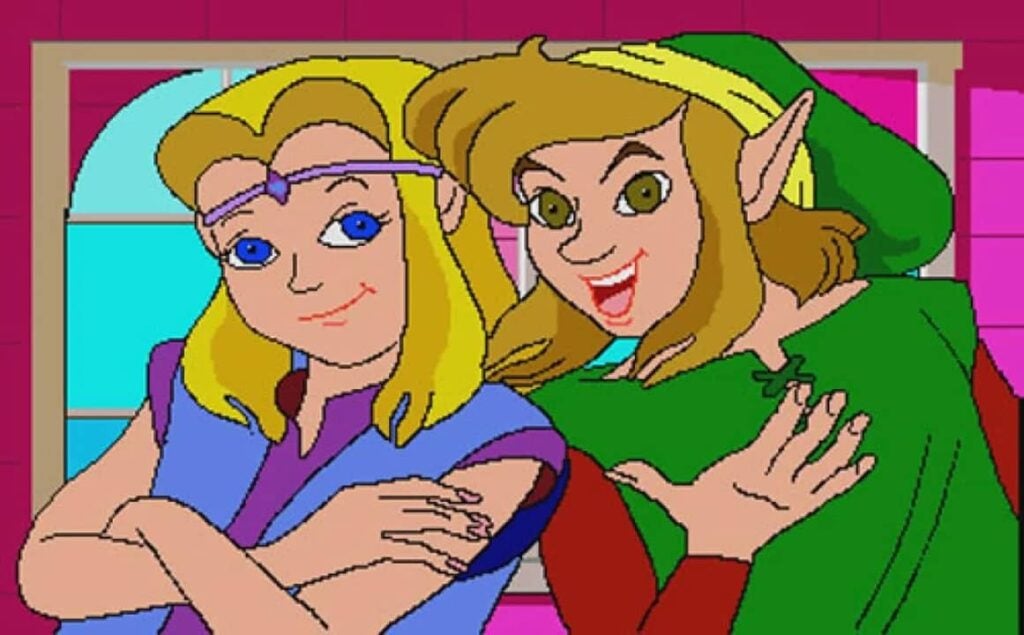
Most of the video games that came out for the hybrid between console and multimedia station from Philips did not go beyond mere curiosity: versions of ‘Sink the Fleet’ and ‘Connect 4’ were mixed in the catalog with children’s games or chess, licenses such as ‘Sesame Street’ or ‘Golgo 13’ and three very strange Nintendo adaptations: ‘Hotel Mario’, ‘Zelda: The Wand of Gamelon’ and ‘Link: The faces of evil’.

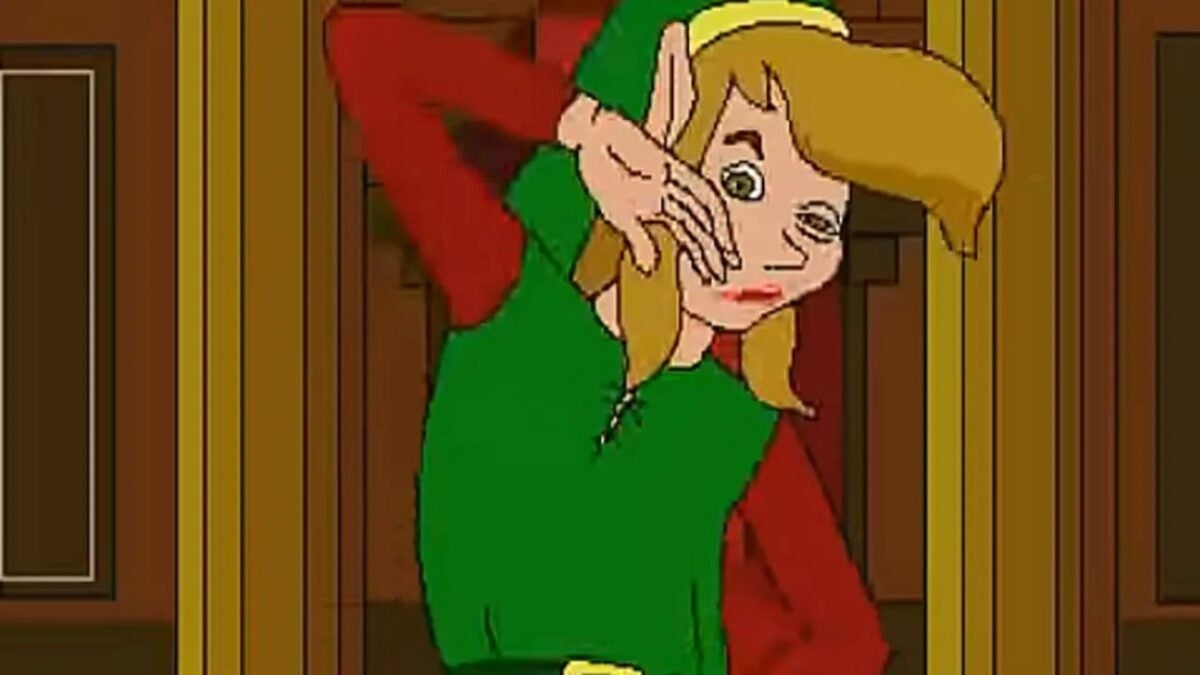
One of the supposed advantages of this new format was that it allowed the inclusion of animated scenes in a more or less natural way: the two Zelda games that were released became especially notable (and laughable) because of them, the histrionic voice actors and the strange style of their designs. Obviously, none of these ended up being canon and have become more of a point of no return for Nintendo, who understood that they couldn’t just give away their franchises to anyone.

Because of this catastrophic result, the release of the third game in the series for CD-i, ‘Zelda’s Adventure’, only took place in Europe, where critics shamelessly trashed it: not only was it unplayable because it could take up to ten seconds to change screens and its CGI characters were impossible to control. Moreover, during gameplay, the cutscenes were recorded by real people instead of using animation, and the plot was bizarre to say the least. In it, Link had been kidnapped by Ganon in the kingdom of Tolemac and Zelda had to gather the seven celestial symbols to rescue him.

Dusting off the Game Boy

And the thing is, despite the video cutscenes, the game had a lot more to do with ‘The legend of Zelda’ or ‘Link’s awakening’ than the other Philips console versions. There were dungeons, similar level design and even the characters looked more stylish. However, not many were able to try it: in 1996, when the game was released, CD-i was already being paid off and Philips had accepted the failure, so it had the few sales you can imagine.

But now it has a second life in the hands of John Lay, a game developer who has de-maked ‘Zelda’s Adventure’ as a Game Boy game… improving it dramatically in the process and making it surprisingly fluid: by going backwards, it has gone forwards. The game is available on itch.io and shares the style of ‘Link’s Awakening’.

Ah, you can also buy the cartridge in case you feel like dusting off your old Game Boy and discovering the true power of the CD-i, the one that nobody wanted to check out in the early 90’s (with good reason). What better way to prepare for ‘Tears of the kingdom’?