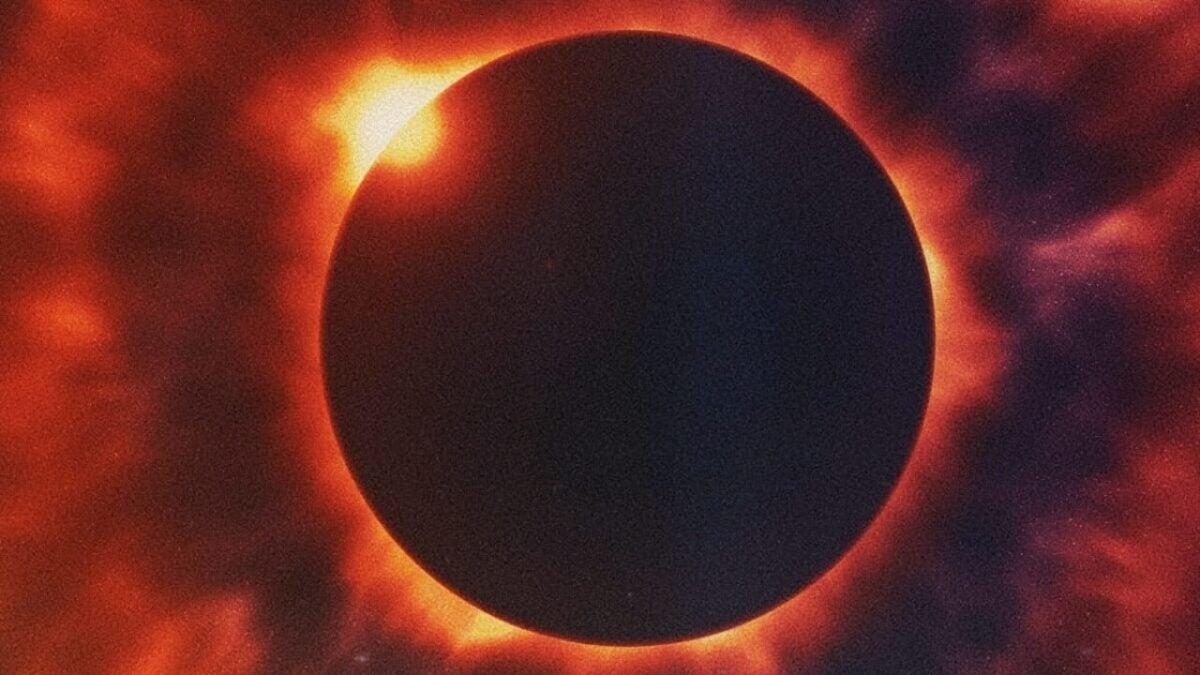
Don’t Miss Out: Spectacular ‘Ring of Fire’ Solar Eclipse to Create Mesmerizing Sight in American Skies

In less than two months, Americans will be lucky enough to witness a rare annular solar eclipse with their own eyes.

Certainly, astronomy enthusiasts have plenty to rejoice about this year. Between meteor showers, supermoons (with two of them in the same month), and solar and lunar eclipses, 2023 is a truly remarkable year for those who take pleasure in observing the wonders that the universe presents to us.

Sky Map DOWNLOAD
7

But the “stellar party” is far from over, and we still have some major astronomical events to look forward to, including a spectacular annular solar eclipse. However, not everyone will be able to enjoy it; the lucky ones this time are the Americans, who will have the opportunity to witness this rare eclipse on October 14th.

Also known as the “ring of fire,” an annular solar eclipse is a unique phenomenon that occurs when the Moon passes between the Sun and the Earth at its farthest point from the planet, creating a darkened circle with a fiery edge. Unlike a total solar eclipse, the Sun is not completely covered in this case.
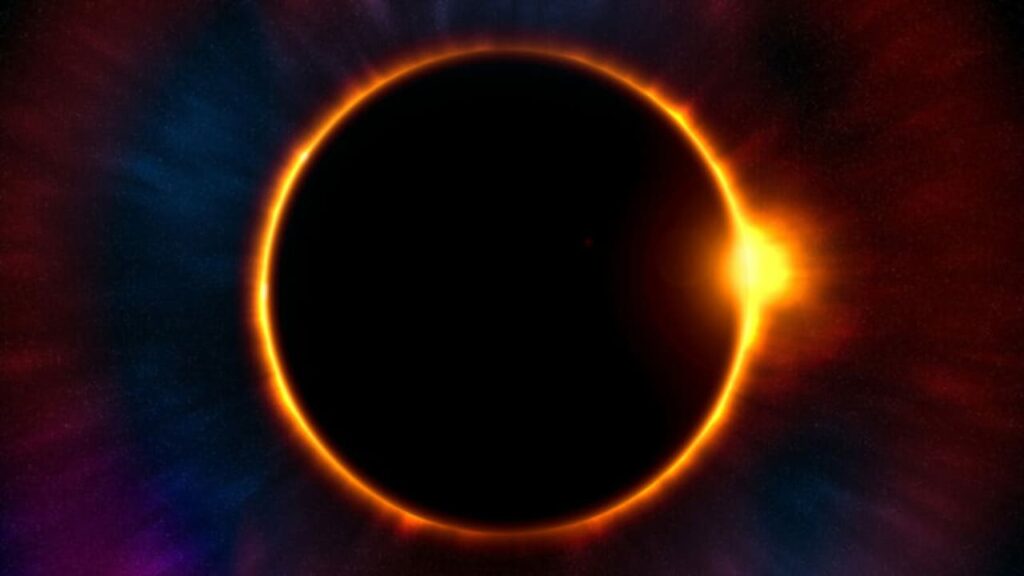
The annular solar eclipse on October 14th will be visible for the first time in 11 years in North America and will cross through the state of Oregon, northern California, Nevada, Utah, northeastern Arizona, southwestern Colorado, New Mexico, and Texas before traveling to Central and South America.

Those who wish to witness the annular solar eclipse must be within the path of annularity, which extends for nearly 200 kilometers (people outside this path will see a partial eclipse).

Furthermore, observers must always wear special eclipse glasses or use properly certified similar instruments to prevent eye damage.

Sky Map DOWNLOAD
7

Spaniards will not have the luck to see this eclipse in our lands, and we will have to wait until 2026 to witness a solar eclipse in the peninsula. Let’s be patient, sky observers.

Some of the links added in the article are part of affiliate campaigns and may represent benefits for Softonic.
Perseids Meteor Shower 2023: Best Dates and Locations for Stargazing Enthusiasts

The Perseids, the most popular meteor shower in the world, can be seen in a few days. We tell you when and where to see it.

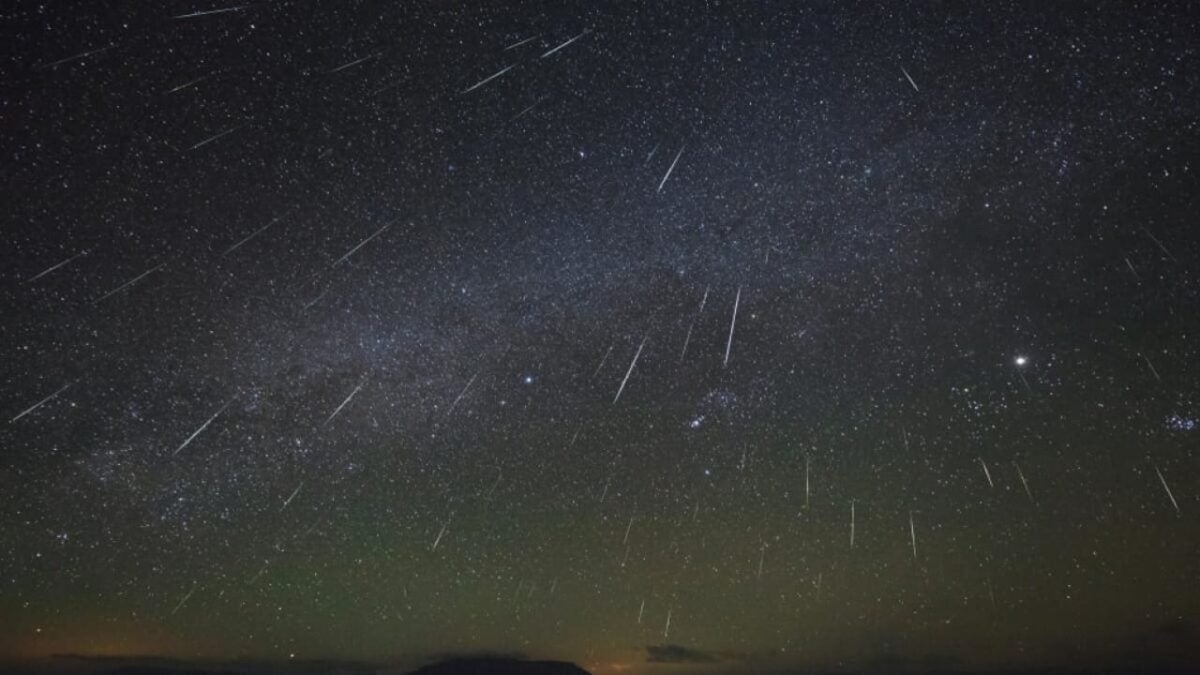
Considered by many as one of the best astronomical events of the year, the Perseids will be visible this August weekend. This spectacular meteor shower will grace the skies months after its “sisters” – the Lyrids and the Eta Aquarids – did the same.

Sky Map DOWNLOAD
7

The Perseids are known worldwide for providing a spectacular show to nighttime sky observers, and this year will be no exception. “If you’re going to watch any meteor shower this year, this is the one to see,” said Bill Cooke, the director of NASA’s Meteoroid Environment Office, to Business Insider.

Meteor showers, commonly known as “shooting stars” in Spain, are composed of bits of rock, ice, and dust that break away from comets or asteroids orbiting the Solar System.

As Earth moves around the Sun, it intersects with clouds of space dust containing these particles, which then enter Earth’s atmosphere and disintegrate due to friction.

In the case of the Perseids, around this time of year, Earth passes through a cloud of space dust containing remnants of the Swift-Tuttle comet, which was last visible from Earth in 1992. While we won’t see the comet itself again until the year 2125, its remnants create the spectacular Perseid meteor shower every August.

Sky Map DOWNLOAD
7

The Perseids can be perfectly observed throughout the northern hemisphere on the night of Saturday, August 12, to Sunday, August 13, their peak activity time. According to NASA’s estimates, the Perseids could produce up to 100 meteors per hour under optimal conditions and will remain visible until September 1, although with a much lower frequency.

Some of the links added in the article are part of affiliate campaigns and may represent benefits for Softonic.

Astronomical Puzzle: Baffling “Comet-Like” Object Captured in Australian Skies

The citizens of Melbourne (Australia) observed this past night as what apparently could be a comet crossed their skies.

Since the famous Green Comet “visited” us last February, we haven’t stopped observing the sky. In all these months, we’ve been able to witness several eclipses, supermoons, meteor showers, and even the appearance of another comet. And if this seems like not enough, add to it the mysterious event that took place tonight in the skies of Australia.

Sky Map DOWNLOAD
7

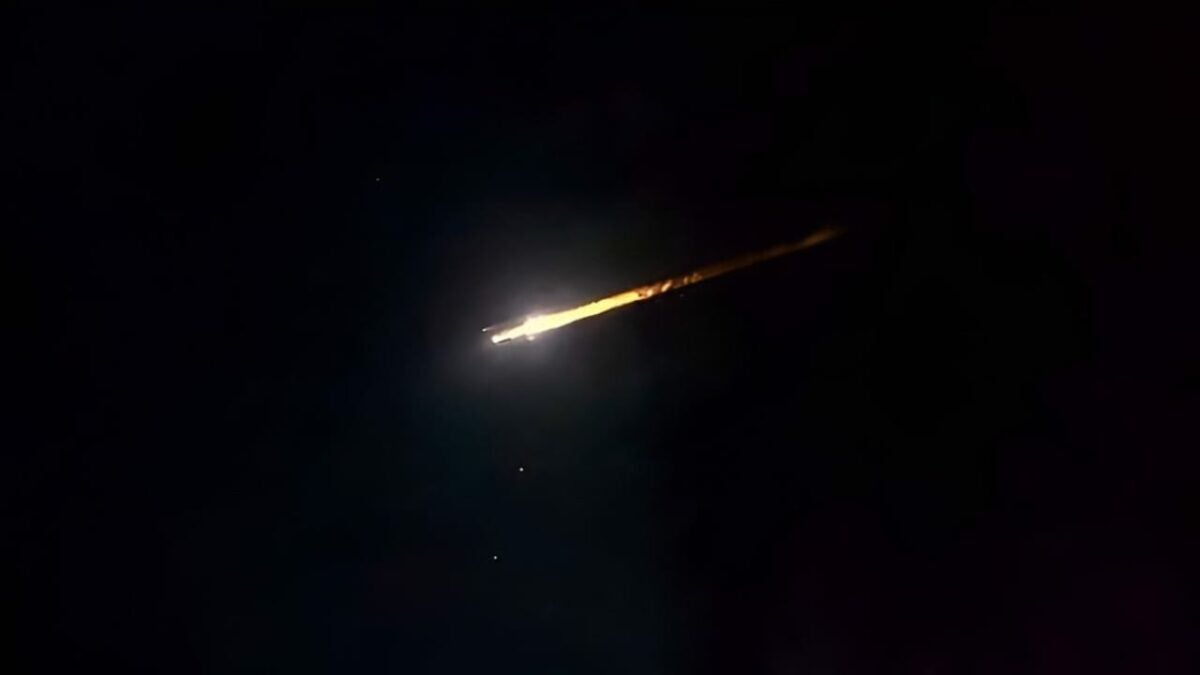
Citizens of the Australian city of Melbourne witnessed a mysterious and bright object resembling a comet streaking through their skies in the middle of the night. This event became the talk of social media in Australia, where news of this “comet” quickly spread.

But was it really a comet or even a meteorite? The answer is clear: no. According to 9News, the Australian Space Agency announced that this mysterious comet-like object was actually the remnants of a Russian rocket.

“It is likely the remnants of a Russian Soyuz-2 rocket reentering Earth’s atmosphere,” the space agency stated.

“The launch of the Soyuz-2 rocket took place from the Plesetsk Cosmodrome in the early afternoon. According to Russian authorities, the launch placed a next-generation global navigation satellite ‘GLONASS-K2’ into orbit,” the space agency reported in a statement.

The space agency also confirmed that they were aware of this launch and that “the remnants of the rocket were expected to safely reenter the atmosphere over the ocean off the southeast coast of Tasmania.”

The fairly certain hypothesis that it is space debris is also supported by Alan Duffy, an astronomer from the University of Swinburne: “What we are seeing is a large, extended flash of light. It burns for 30-40 seconds. It’s breaking apart. All of that tells me it’s space junk. It’s not a small natural rock in space (a meteor).”

Sky Map DOWNLOAD
7

According to Duffy, even though the light appeared to be much closer to Earth than in other astronomical events, it actually passed “tens of kilometers above” the ground at a minimum.

Some of the links added in the article are part of affiliate campaigns and may represent benefits for Softonic.