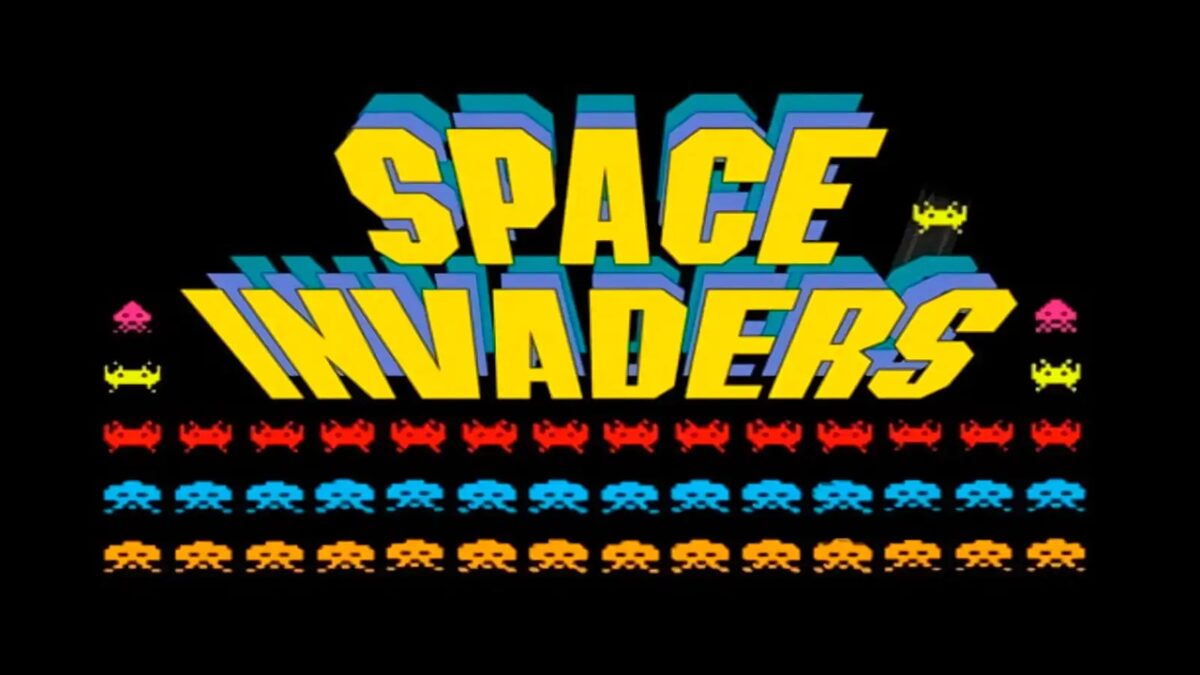
The iconic video game Space Invaders, released by Taito in 1978, has traditionally been regarded as the cornerstone that triggered the video game industry in Japan and a precursor to Nintendo’s success in the 80s. However, a recent finding in a publication about trains suggests a more complex narrative about the origins of video games in the Asian country.
A train simulator long before Taito’s game
A fan discovered an old magazine that documents a train simulation developed in 1970, anticipating other recognized Japanese titles. This finding raises questions about the history of video games in Japan before the Taito phenomenon, as it shows an individual at a convention operating a computer in what appears to be a game with vector graphics, reminiscent of the first video game in history, Tennis for Two, created in 1958.
Researcher Bruno de Figueiredo has expressed certain doubts about the Japanese authenticity of the finding, suggesting that the machine may have been imported or adapted from an American product. Although the simulation, known as Densha no Unten Tesuto or Train Driving Test, involves the existence of interactive programs for children, its creation has not yet been officially certified as made in Japan.
De Figueiredo emphasizes that, while the description of this software is close to what many would consider a video game, there are reasons to be skeptical. The machine used in the simulation, manufactured by an American company in the sixties, has been linked to other similar programs, including NASA’s chess games.
This discovery, while fascinating and enriching the narrative of the evolution of Japanese video games, still leaves questions about its veracity and its place in the official history of the medium. As these findings are investigated, the discussion about the true origins of the industry in Japan becomes increasingly intriguing.