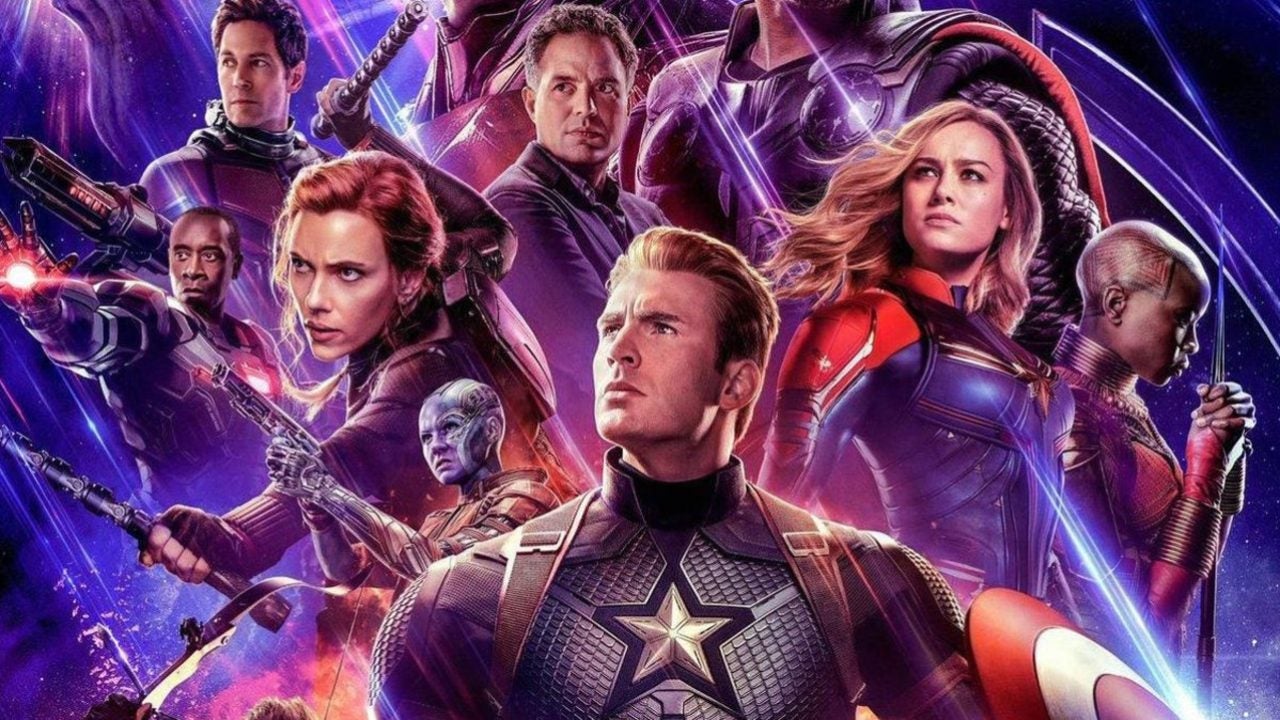
There is no doubt at this point: Marvel is one of the most incredible successes in the history of cinema. For almost 20 years now, the House of Ideas has known how to create a coherent, high-quality shared universe in which people want to invest their money and time (at least, until the arrival of Avengers: Endgame, which many labeled as the end of the adventure, with some justification).
In total, Disney has spent just over 7 billion dollars to produce 37 films, and in return they have recovered 32.5 billion just at the box office, not taking into account the success of streaming or VOD. Obviously, everyone in Hollywood has wanted to copy them. It can’t be that hard, right? If they could do it, why shouldn’t we use the franchises we have on hand to see what happens? This is the story of 6 failed attempts that to this day should serve as an example of what not to do under any circumstances if you want to succeed. These are the shared universes that never took off.
Knights of the Zodiac
In 2023, after years and years of talking about a movie based on Knights of the Zodiac, the manga by Masami Kurumada, the live-action adaptation finally hit theaters, with Mackenyu as Seiya and directed by a certain Tomek Baginski, a specialist in creating animated scenes for video games who here had to face an absurd script that neither fans nor newcomers to the saga understood very well.
The movie not only promised a sequel but an entire franchise that would follow the characters in their solo adventures, and it is probably what we would have had… If it weren’t for the fact that it grossed 7 million dollars worldwide, lost a ton of money, and Seiya and company were put back into the anime niche from which they should never have emerged.
Dark Universe
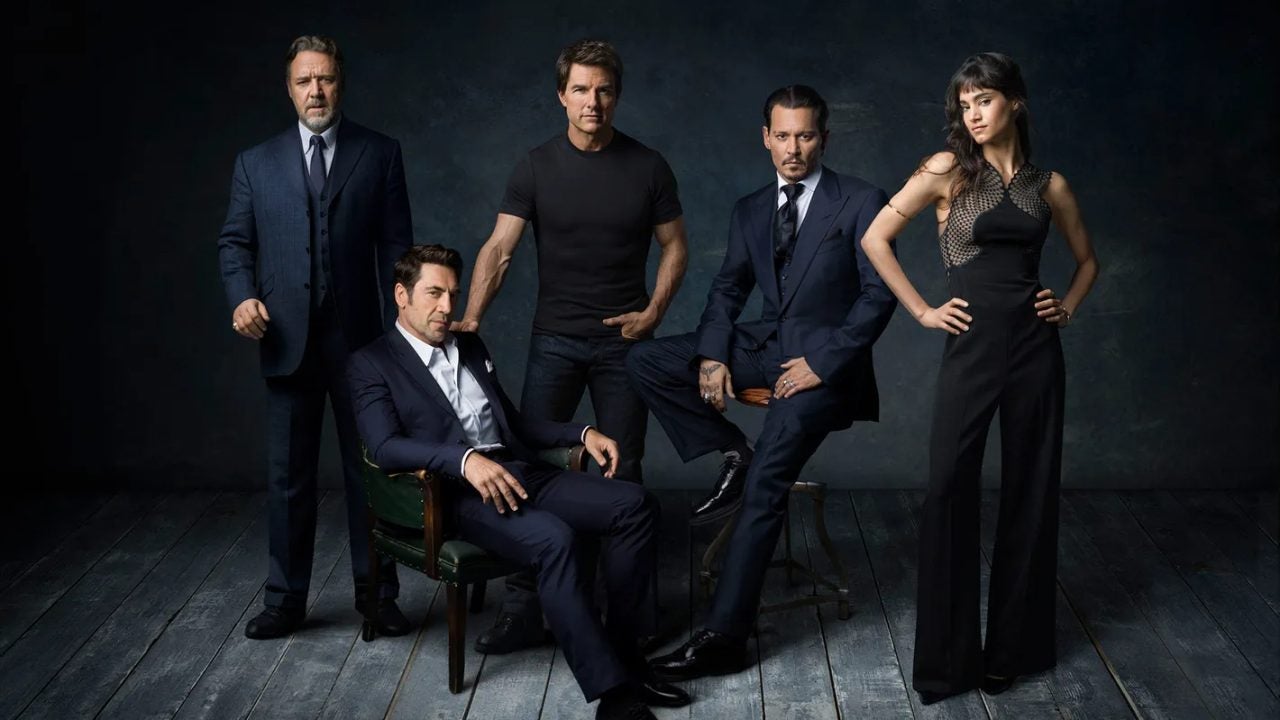
Universal desperately needed a success like Marvel’s, but they didn’t have any well-known franchises to achieve it… So they decided to dust off their monster universe, which had had continuous crossovers decades earlier, to give it a makeover. In fact, they counted their chickens before they hatched, and even took a photo with all the protagonists of the Dark Universe: Tom Cruise, Javier Bardem, Johnny Depp, Russell Crowe, and Sofia Boutella. They even created a Twitter account… which is still open today and only has that photo.
Its first major release was The Mummy, starring Cruise and Boutella, which was a relative box office success (it made 410 million) but received such a critical and public backlash that it mocked the idea of a shared universe of classic monsters, leading them to decide to cancel everything they had in the works, some of which were completely scrapped, like The Bride of Frankenstein, or transformed into something better (like The Invisible Man). The fanfare of the Dark Universe created by Danny Elfman was never heard from again.
King Arthur
This is called capturing the current sentiment of the people: Guy Ritchie, along with Warner, decided that they needed to create a cinematic universe in the style of Marvel, but with King Arthur as the protagonist. In fact, in 2017, King Arthur: Legend of the Sword was released in theaters, and at that time they were about to start filming its sequel, based on Percival. The idea was to make five distinct parts and, when they were successful, to unite them in a kind of Avengers titled, predictably, Camelot. It grossed 30 million less than it cost, and they decided that people had already turned the page on Arthurian legends. They were not wrong.
Spider-man Villains
Technically, this universe succeeded. At least, in part. The three parts of Venom made money, and Morbius, in some way, recouped its costs. From there, the debacle: Madame Web and Kraven The Hunter became memes, Sony lost all its credibility, and the world stopped being interested in this universe of Spider-man villains that had connections to each other which, instead of generating hype, became a source of laughter on social media. After their third failure, they decided it was time to walk away with the money raised (which there was some) and hope to be remembered as just a footnote in history.
Valiant
If Marvel and DC have everyone excited, why wouldn’t there be a space for the third contender, Valiant? The indie publisher has been trying to carve out a niche in pop culture since 1989, and it has only succeeded among the most comic book fans. That wasn’t going to stop them from casting Vin Diesel to star in Bloodshot, the first of many movies in this shared universe. In fact, they already knew that there would be two Harbinger movies and a crossover called Harbinger Wars that…
Doesn’t ring a bell, does it? There’s a reason for that: Bloodshot was released during the Covid pandemic, made 37.3 million dollars and no one was talking about it or asking for more installments of the franchise. It is said that Diesel wants to make a second part. The only question is… does anyone else want it to happen?
The Amazing Spider-man
The success of The Avengers made everyone rethink their strategies, especially if you had another superhero franchise in hand. This was the case for Sony, which in 2012 also released The Amazing Spider-man 2 and began to dream big. Not only with the third and fourth parts but also with movies based on Venom, the Sinister Six (this one would be divided into two parts), Carnage, Black Cat, Spider-man 2099… What happened? Fortunately, Sony gave permission, in 2015, for Spider-man to appear in Marvel Studios movies and put an end to this nonsense. Tom Holland took on the web-slinger role and they started thinking about a plan B. Believe me: they came out ahead.