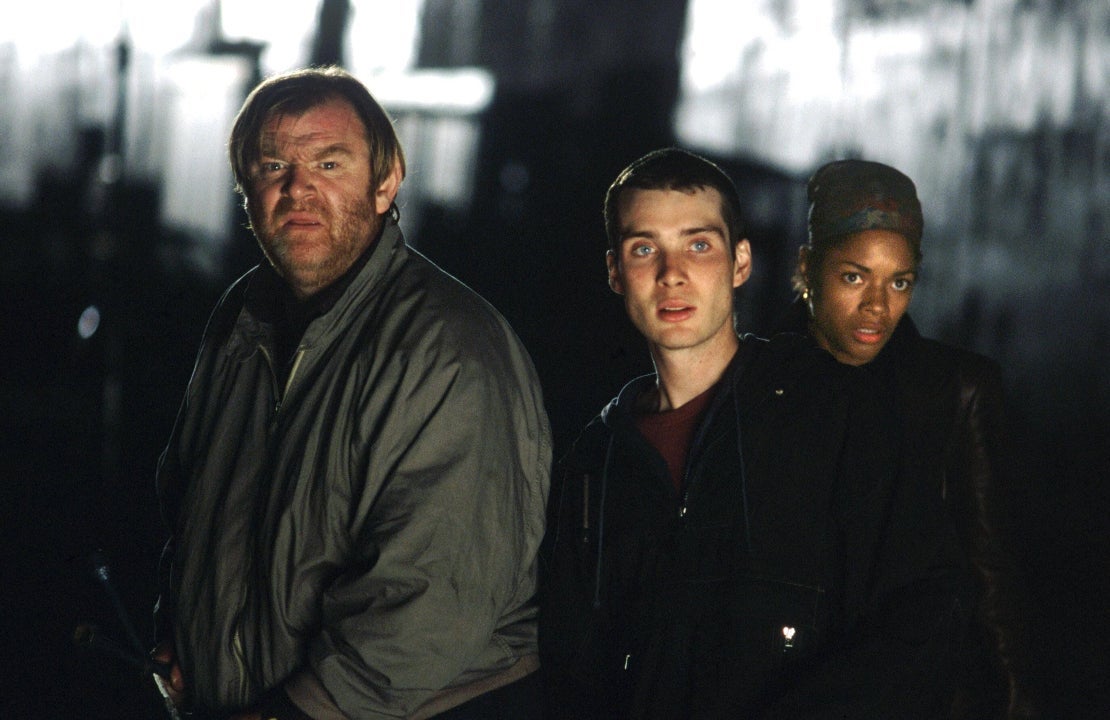
The movie 28 Days Later, directed by Danny Boyle, has been recognized as a masterpiece of horror cinema and, in particular, of the zombie subgenre since its release in 2002. More than two decades later, it remains an unavoidable reference and rarely is its impact on the audience and critics matched.
The time you have to return a product is of little relevance in the apocalypse
One aspect that has generated interest among fans and film analysts is the meaning of the title. In a recent interview with CinemaBlend, Boyle explained that 28 days later refers to the time one had to return a product during the period when the film was made, a rule that reflected the social expectations of that moment. This context not only serves to emphasize the time that the protagonist, Cillian Murphy, spends in a coma, but it can also be interpreted as a symbolic deadline for Britain to return to a state of normalcy that never materialized.
The film, which combines psychological horror with social commentary on the decay of society, depicts a desolate landscape where hope has faded. A key moment is the scene where a group of individuals breaks the glass of a store; this act illustrates the loss of faith in the social fabric. Through this interaction, Boyle critiques not only the aversion to the chaos that emerges but also the frustration that arises when social norms collapse.
With each passing year, 28 Days Later becomes more established as a lasting testament to the fragility of social structures, reaffirming Boyle’s skill in weaving a narrative that transcends mere horror and touches the fibers of contemporary reality.