In a context marked by rising prices and inflation, there has been a significant increase in the purchase of “dupes” (imitations) by high-income consumers. This phenomenon has been largely driven by social platforms like TikTok and Instagram, where these products have become highly popular. Brands must adapt to this trend, as high-income consumers are acquiring dupes at a faster rate than those with fewer resources.
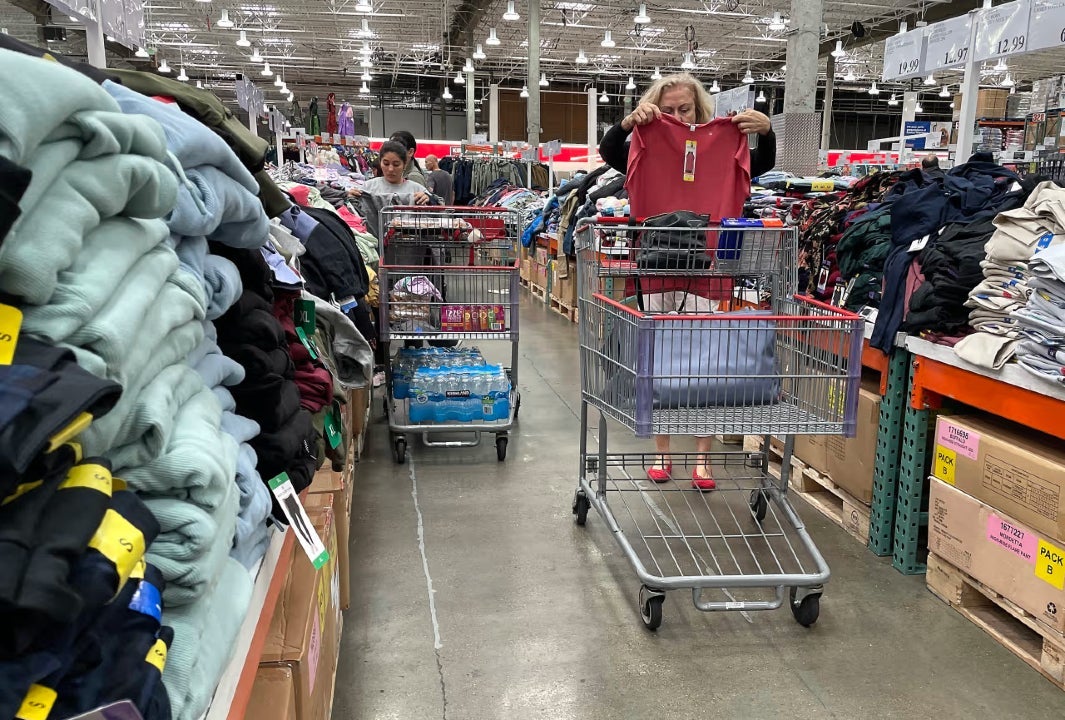
Costco, one of the major affected
In response to the growing threat that dupes pose to established brands, some companies, like Lululemon, have chosen to take legal action. Lululemon has sued Costco, accusing the retail giant of “illegal trade” for selling products that imitate its brand, arguing that Costco is taking advantage of its reputation. Despite the controversy, a recent survey by Retail Brew reveals that 81.6% of consumers support Costco in this matter, favoring its right to continue selling such products.
Additionally, legal defense could intensify, as design patents, a type of intellectual property rarely used in the fashion and furniture industries, could become a crucial tool against the proliferation of dupes. Experts suggest that brands should consider using influencers and online communities to promote their products and competitors in this increasingly complicated market landscape.
Dupes do not seem to be a passing trend; they are evolving and adapting to current consumption habits. Retailers must seek opportunities where their customers are willing to opt for more affordable options, and use consumer research data as a basis to develop private labels and products that can attract these buyers.