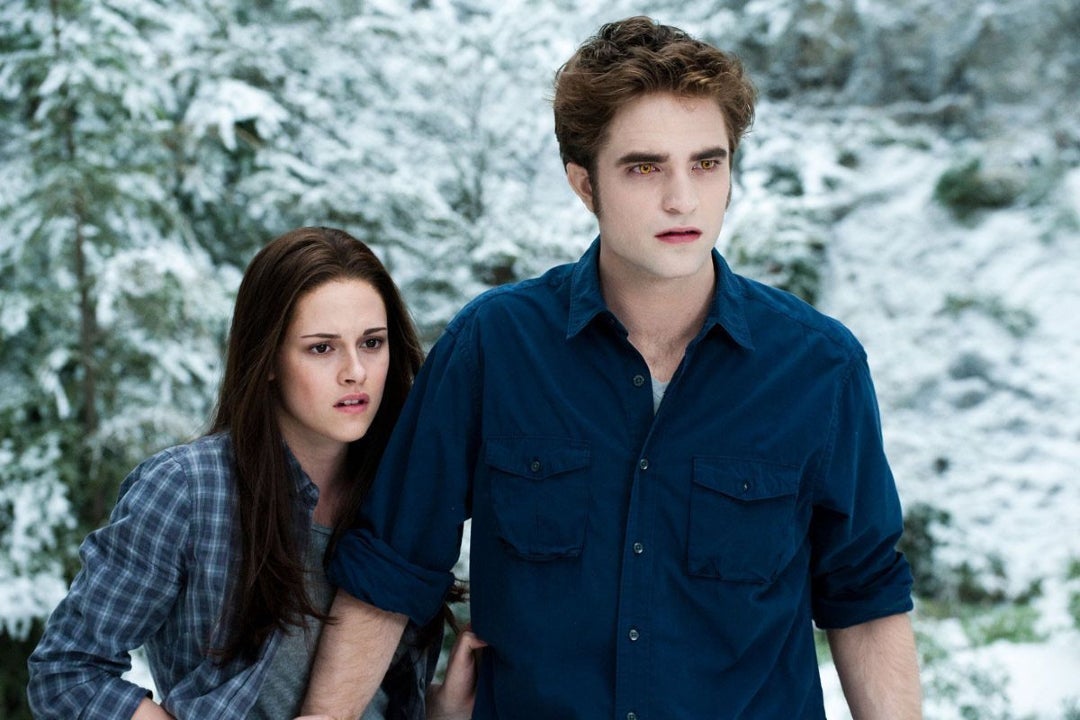
The Twilight franchise continues to be a relevant topic of conversation in the film industry, especially when considering the impact of its first installment, directed by Catherine Hardwicke. Released in 2008, the film cost 37 million dollars and grossed 408 million, marking the beginning of a saga that, in total, accumulated 3.346 billion at the box office through five films. However, its success did not translate into ongoing opportunities for Hardwicke, who was replaced by Chris Weitz for the sequel.
It is of no use to do a good job if you are a woman
In a recent interview, Hardwicke highlighted the disparity between the opportunities that male directors receive compared to female directors after achieving success. While men are often offered multiple projects after a box office hit, Hardwicke found herself sidelined, being replaced by a male director and receiving no further significant offers after the phenomenon of Twilight. “No, people are not going to hire more female directors. They are not going to give you the next job and let you do something good,” Hardwicke pointed out, emphasizing a troubling reality in the film industry.
Despite the growing outcry on social media for greater female representation in cinema, the figures for 2024 reflect that only 16% of the 250 highest-grossing films were directed by women, maintaining the same proportion as the previous year. The disparity widens even further when observing that 70% of successful films employed ten or more men in key roles, while only 8% did the same with women. This context underscores the urgent need to open spaces and provide equal opportunities for female directors in the film industry.