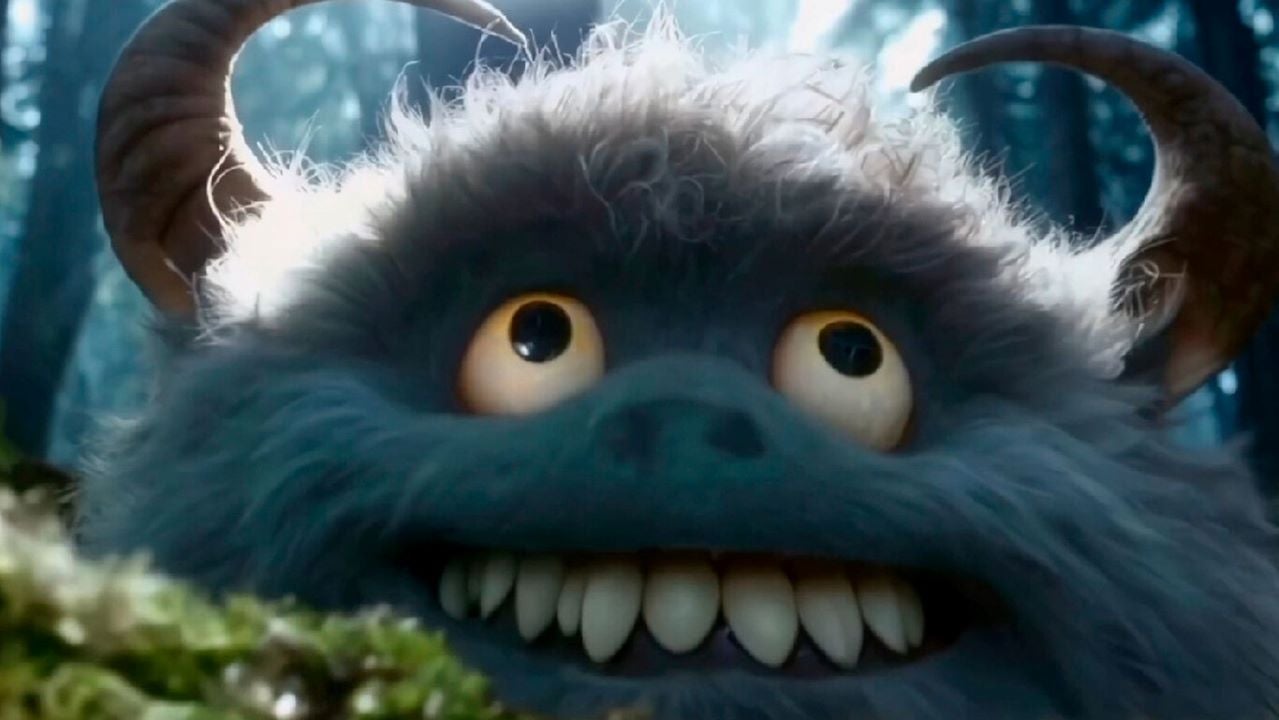
OpenAI has announced the production of its first animated film, titled Critterz, which will premiere in 2026, with a planned debut at the Cannes festival. This film aims to demonstrate that it is possible to create low-cost animated cinema, with a budget of less than 30 million dollars and a development timeline of just nine months. However, the focus on cost reduction raises questions about public acceptance of a work created with artificial intelligence.
Made by AI, but practically everything is done by humans
The company has decided to assign the script to human screenwriters, rather than relying on the capabilities of ChatGPT, considering that artificial intelligence has not managed to create an adequate script. This decision reflects a clear recognition of the current limitations of AI in the creative field. Nevertheless, the use of technology to reduce operational costs underscores OpenAI’s intention to revolutionize the film industry, making Hollywood executives more receptive to investing in automated solutions.
Despite its ambitious plan, OpenAI faces significant uncertainties. Critterz lacks an associated distributor, which could affect both public interest and box office success. A company representative has acknowledged that this project is “a very ambitious experiment,” admitting that the future of marketing and public reception is uncertain. The previous short of Critterz, released in 2023, did not generate much enthusiasm among viewers, raising more questions about the viability of the project on a large scale.
The director of the initial short, Chad Nelson, described it as a mix of Planet Earth and Monty Python, but the comparison did not seem to resonate with the audience. Furthermore, as of today, it is unclear whether moviegoers will be willing to watch a film created by artificial intelligence. Meanwhile, time will tell if Critterz will capture the attention that OpenAI hopes for.