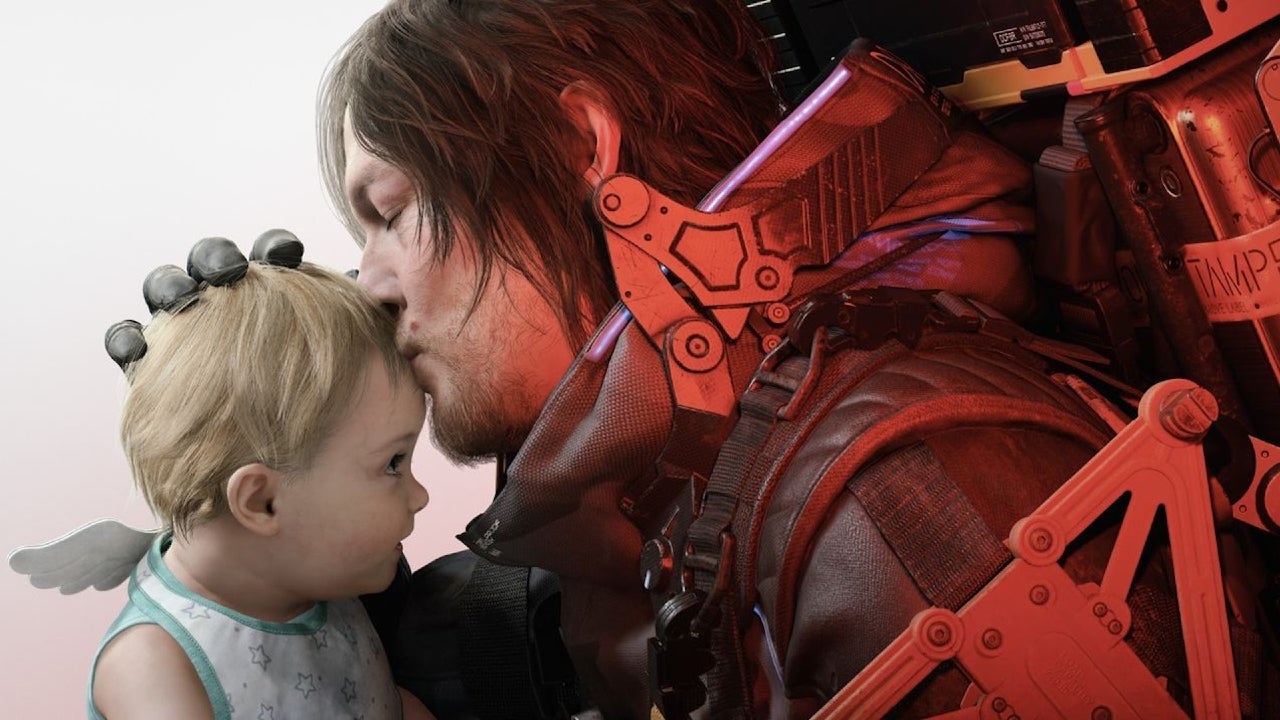
The sequel to Death Stranding, titled Death Stranding 2: On the Beach, continues the philosophy that Hideo Kojima established in the first game, focusing on providing a slow and reflective experience. According to the renowned French musician Woodkid, who has closely collaborated with Kojima on this project, the development does not aim to attract all players. Instead, it focuses on provoking a change in the way players experience the video game, a very particular approach that has generated divided opinions.
Doesn’t want to make a game that is comfortable for the player
During a recent interview with Rolling Stone, Woodkid revealed that, although some changes made during testing were well received by testers and content creators, Kojima was reluctant to indulge in what could be considered “comfortable” for the player. This direction contrasts with current market trends, where many developers tend to follow more conventional and accessible formulas.
A distinctive element of the first Death Stranding was its cargo system, which required players to meticulously consider the position of each transported package. This aspect of gameplay has been fundamental to the game’s experience and, although its inclusion in the Director’s Cut introduced a robot that was not well received by everyone, Kojima remains committed to his approach of challenging players, regardless of the criticism received.
Kojima and other developers of his caliber, such as Hidetaka Miyazaki, seek to divert from the instant gratification that many games offer, preferring instead to force the player to deal with a narrative and an environment that challenge the conventional. Therefore, the growth of Death Stranding 2 represents not only an advancement in terms of story and graphics but also a testament to Kojima’s unique artistic vision in the video game industry.