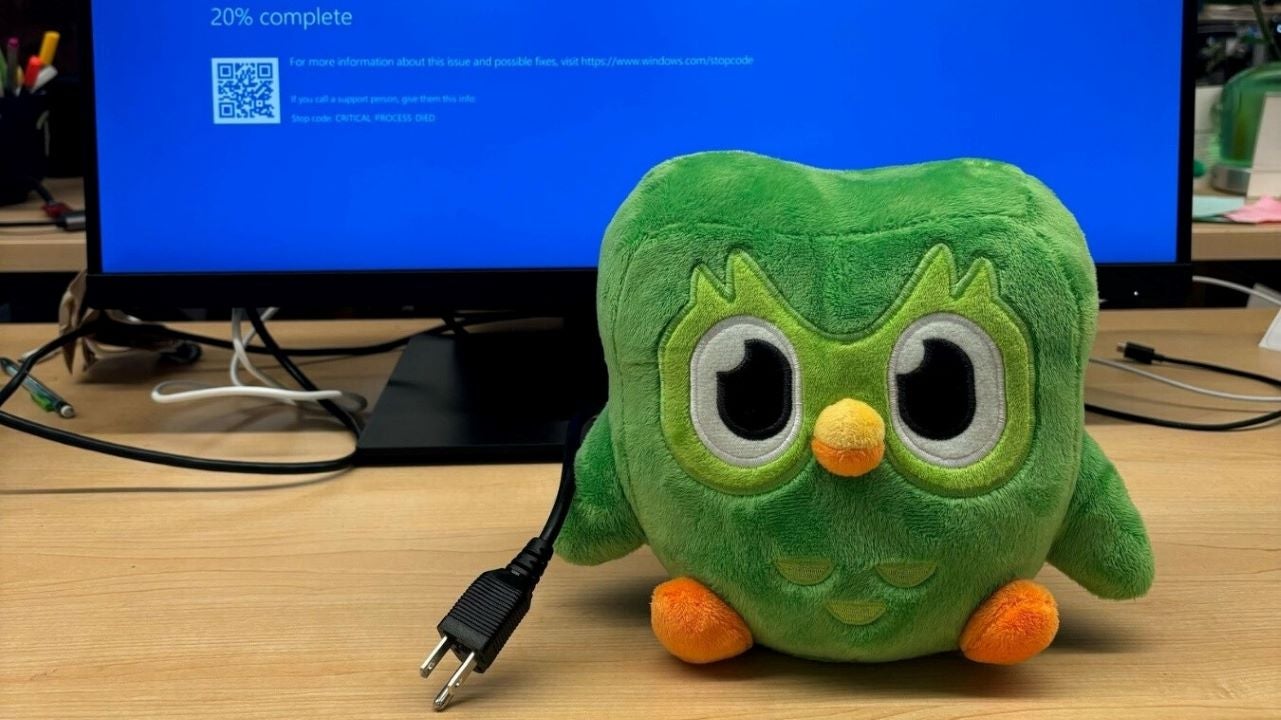
The recent decision by some business leaders to replace staff with artificial intelligence (AI) tools has generated criticism from both employees and users, who point to a notable decline in the quality of services offered. This context intensified when Luis von Ahn, CEO of Duolingo, announced that the company would adopt an ‘AI-first’ approach, which involved cuts in hiring and a greater focus on AI-based solutions.
Duolingo at full throttle with AI
Amid the controversy, Von Ahn defended himself by stating that Duolingo has never laid off full-time employees nor replaced its staff with AI. The reduction of workers has been limited to subcontracted personnel, a decision that, according to him, responds to business needs and not a desire to reduce its permanent workforce. This points to a more strategic and less drastic approach than what some critics have interpreted.
Despite the criticism and negative perception surrounding the implementation of AI, the financial impact of these changes has been minimal for the platform. Von Ahn showed an optimistic attitude regarding the potential of AI, highlighting that Duolingo organizes weekly sessions to experiment with AI tools, called “f-r-AI-days,” where work teams can explore new opportunities that the technology offers.
The CEO emphasized that the ‘AI-first’ approach does not automatically mean increasing profits at the expense of human staff, but rather seeks to innovate in the way the company learns and teaches languages. According to von Ahn, the widespread misunderstanding of his intentions reflects the lack of context in the discussion about AI and its implementation in the workplace.

Duolingo’s clear stance, backed by its CEO, seeks to maintain the integrity of its human team while exploring new technologies to enrich the language learning experience. However, the debate about the role of AI in the future of work remains open.