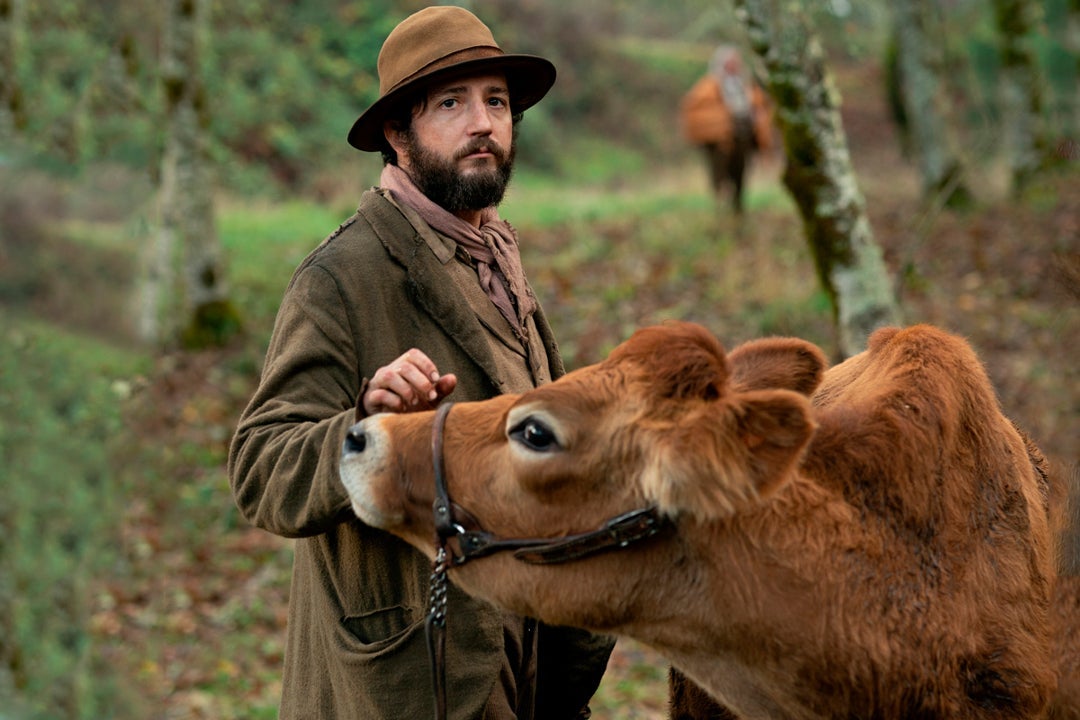
The western genre, traditionally narrated from male perspectives, has faced significant challenges in its evolution, limiting diversity in stories and characters. However, independent cinema has begun to offer new narratives, allowing works like First Cow to rethink the conventions of the genre. This film, directed by Kelly Reichardt, has been recognized as one of the best in recent times, bringing a unique and authorial approach to the narrative of the western.
An excellent example of slow cinema
Set in the American Northwest during the 19th century, First Cow tells the story of a cook and an Asian fugitive who seek to thrive through an unconventional business centered around cooking. Throughout the story, Reichardt explores unusual masculinities for the genre, offering a new dimension that challenges traditional stereotypes of the western.
The film not only stands out for its innovative storytelling but also for its visual style, which falls within the ‘slow cinema’ school. This approach allows viewers to contemplate subtle details and experience the story at a leisurely pace, thus challenging the expectations of an audience more eager for rapid narrative development. In this sense, the narrative becomes a means to explore the complexities of rural life in the United States, areas that are often absent in typical cinematic narratives.
First Cow reinforces the possibilities of independent cinema, offering a critique of capitalism in an ingenious way, where the outsider is embodied by a cow and the main threat is presented in the context of a latent social conflict. Through a careful and eloquent representation of human realities, Reichardt’s work stands as a testament to the narrative richness that cinema can offer beyond the established conventions of the past.