
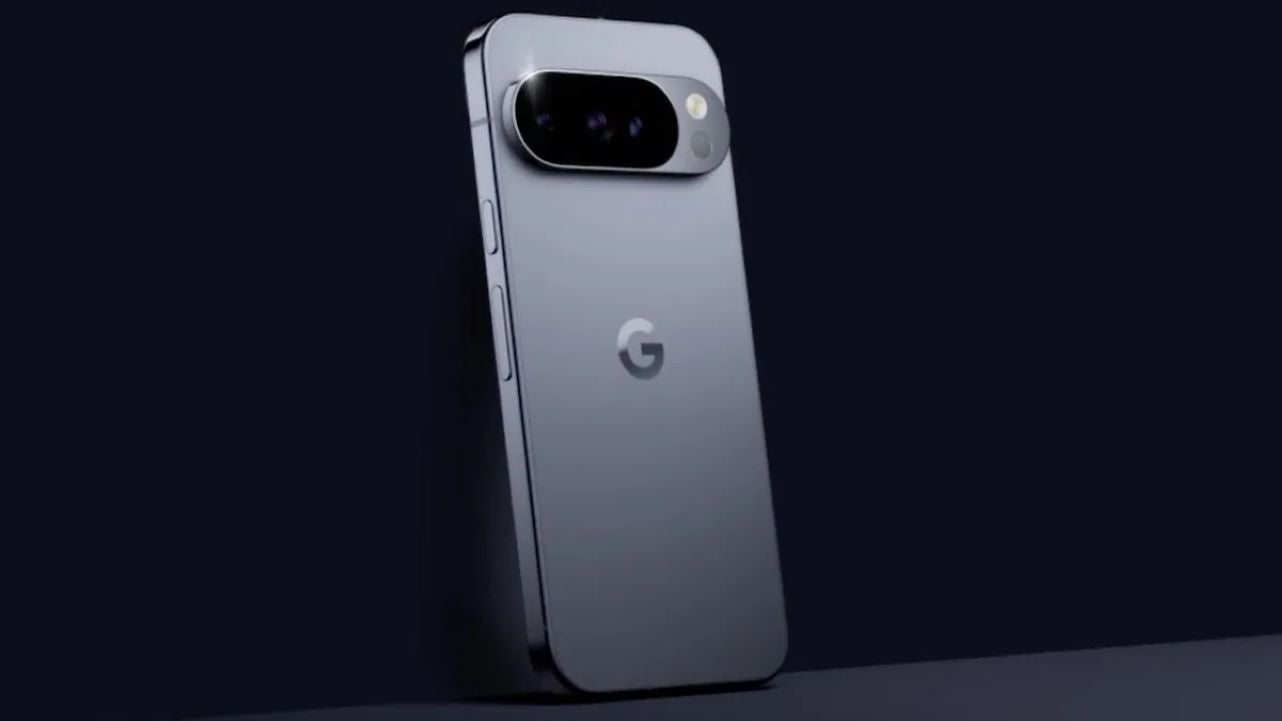
Google has announced that its new Pixel 10 phones are compatible with the C2PA standard (Coalition for Content Provenance and Authenticity) since their launch, allowing verification of the origin and history of digital content. This addition is implemented through C2PA Content Credentials in the Pixel Camera and Google Photos apps, a move aimed at improving transparency in digital media.
Google, going after cybercriminals
The C2PA Content Credentials function as a cryptographically signed digital manifesto, providing verifiable provenance for images, videos, and audio files. According to Google, this metadata acts as a “digital nutrition label” offering information about the creator, the creation process, and whether the content was generated using artificial intelligence. The camera app of the Pixel achieved Level 2 Security, the highest rating defined by the C2PA Compliance Program, highlighting Google’s commitment to digital security.
The Pixel 10 phones also include support for reliable timestamps on the device, which ensures that captured images are trustworthy even after the certificate has expired. This functionality is made possible by the Google Tensor G5 processor and the Titan M2 security chip, which further reinforces data integrity.
In addition, Google has ensured that the implementation of C2PA was designed to be secure, verifiable, and usable offline, which guarantees that provenance information is reliable without compromising the user’s personal identity. Although C2PA Content Credentials are not the only solution for identifying the provenance of digital media, Google considers them a tangible step towards greater transparency and trust in digital content as human creativity is increasingly leveraged with artificial intelligence.