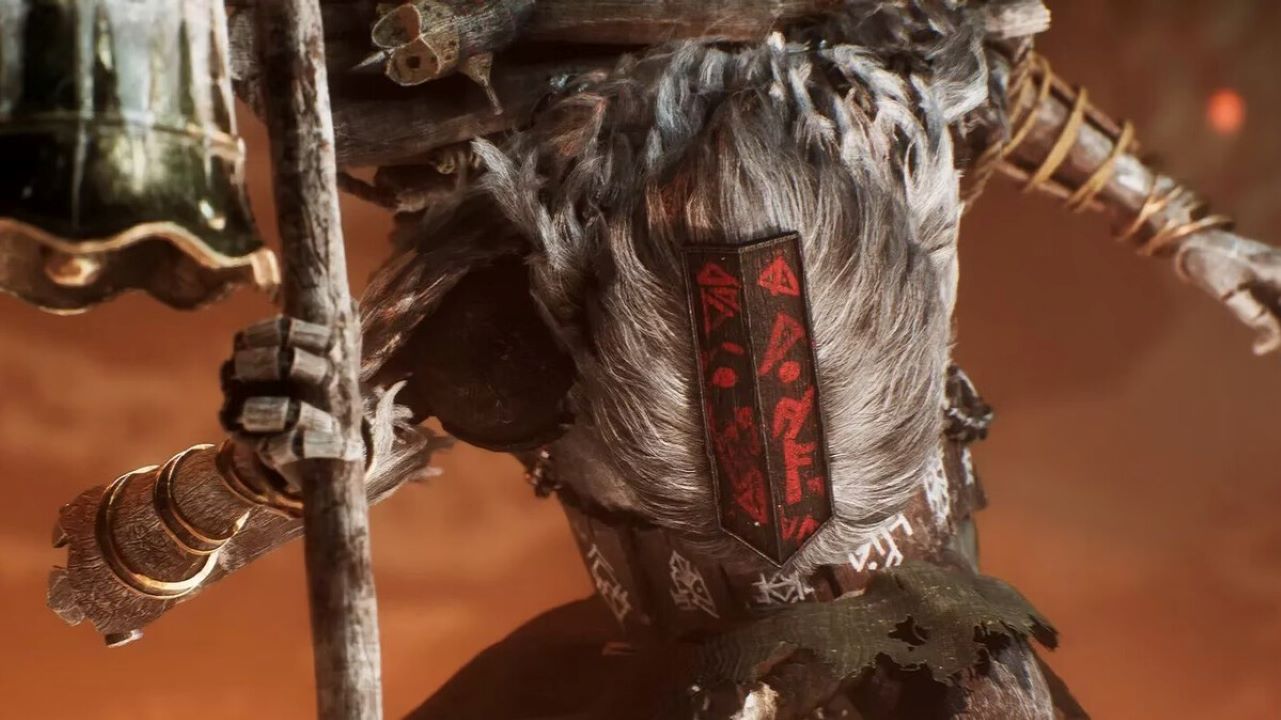
The game Clair Obscur: Expedition 33, developed by Sandfall Interactive, received the awards for Best Game of the Year and Best Debut at the Indie Game Awards, an event that celebrates the creativity of titles not backed by major studios. However, this celebration was short-lived, as the game was disqualified the next day for the use of images generated by artificial intelligence in its development, specifically as placeholder elements that were not removed before the release.
The debate on the use of AI returns
The organizers of the awards explained that their policy on the use of generative AI was communicated during the nomination process. In a statement, they asserted that when the game was submitted for consideration, Sandfall Interactive had ensured that no AI tools were used in the development. The subsequent revelation that AI-generated images were indeed used invalidates the nomination of the title. Although these images were removed in a post-launch update, their inclusion in the final product contravenes the contest rules.
For its part, Sandfall Interactive defended its position, clarifying that they used a limited number of purchased ‘assets’ and that the AI-generated textures were briefly used before being replaced by final versions. The company admitted that a lapse during quality control allowed these provisional elements to remain in the released version.
The controversy has left the Indie Game Awards in an uncomfortable position, raising questions about the selection process and the transparency of the event. Furthermore, the scandal highlights the growing controversy in the industry regarding the use of AI tools in video game development, a topic that has been the subject of debate in recent months. With the disqualification of Expedition 33, it opens the door to questions about the legitimacy of the awards and their commitment to ethics in the use of emerging technologies.