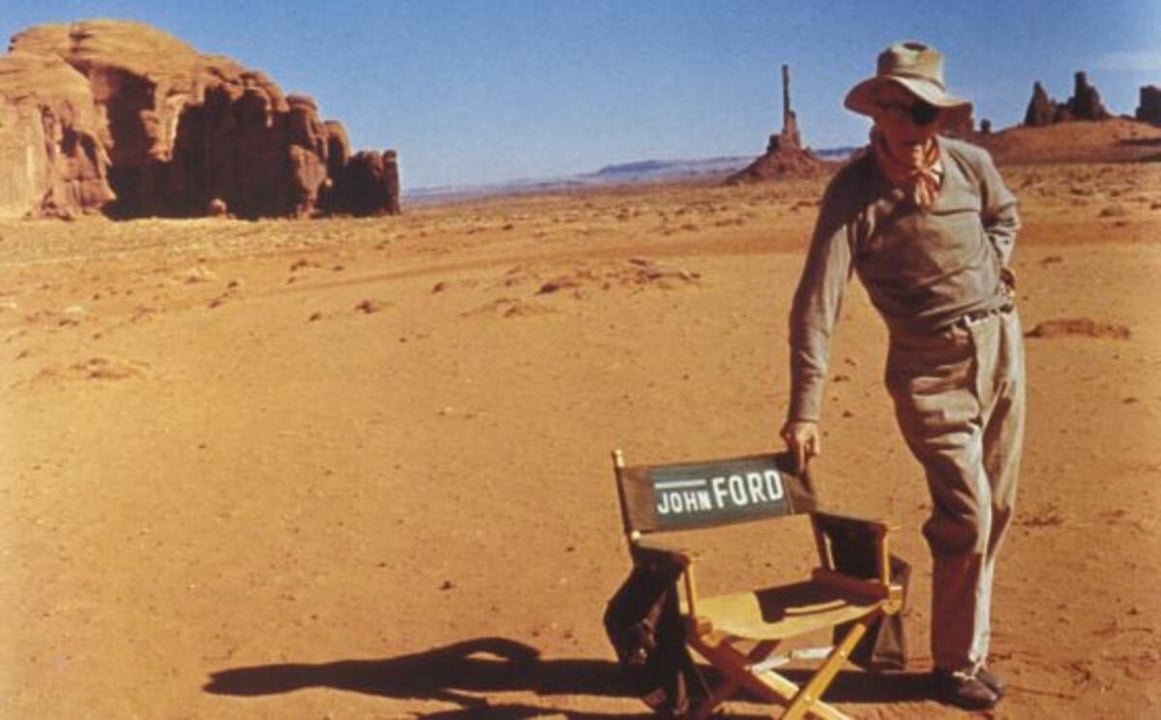
The influence of John Ford on contemporary cinema remains a topic of discussion among renowned filmmakers, such as Steven Spielberg and Martin Scorsese, who have highlighted his importance, especially through his acclaimed film The Searchers. This western, released in 1965, tells the story of a war veteran, played by John Wayne, who vows revenge after a family loss at the hands of the Comanches.
The Fabelmans pays tribute to the greatest
In his film The Fabelmans, Spielberg pays tribute to Ford through a meeting between Sammy, a character inspired by his youth, and Ford himself. In this scene, which features the performance of David Lynch, Ford gives Sammy a life-changing piece of advice, thus demonstrating the impact the director had on his career. Spielberg has mentioned that he watches ‘Stagecoach’ before every shoot, as he believes that Ford’s technique, particularly his ability to keep the camera static while creating the illusion of movement, has been a cornerstone of his own cinematic style.
The admiration for Ford’s cinema is not universal. Quentin Tarantino has expressed his disagreement with the level of appreciation that other directors, such as Spielberg and Scorsese, have for Centaurs in the Desert, describing its portrayal of the Comanches as dehumanized. Despite this controversy, Scorsese still considers Ford’s works to be fundamental, appreciating not only Wayne’s performances but also Ford’s bold direction on difficult themes.
The reverence for figures like Ford reveals how even the great masters of cinema are influenced by their predecessors, creating a legacy that transcends generations and genres.