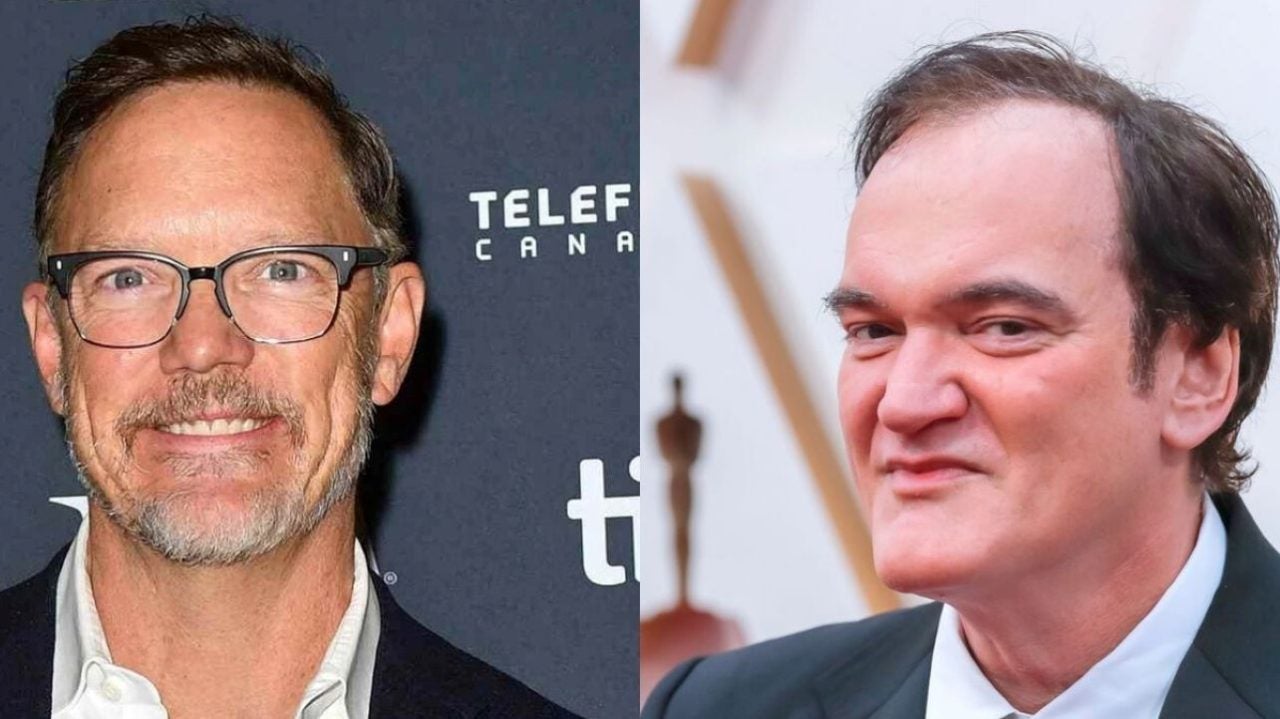
The most iconic character of Quentin Tarantino will return to the big screen in an incredibly unexpected crossover

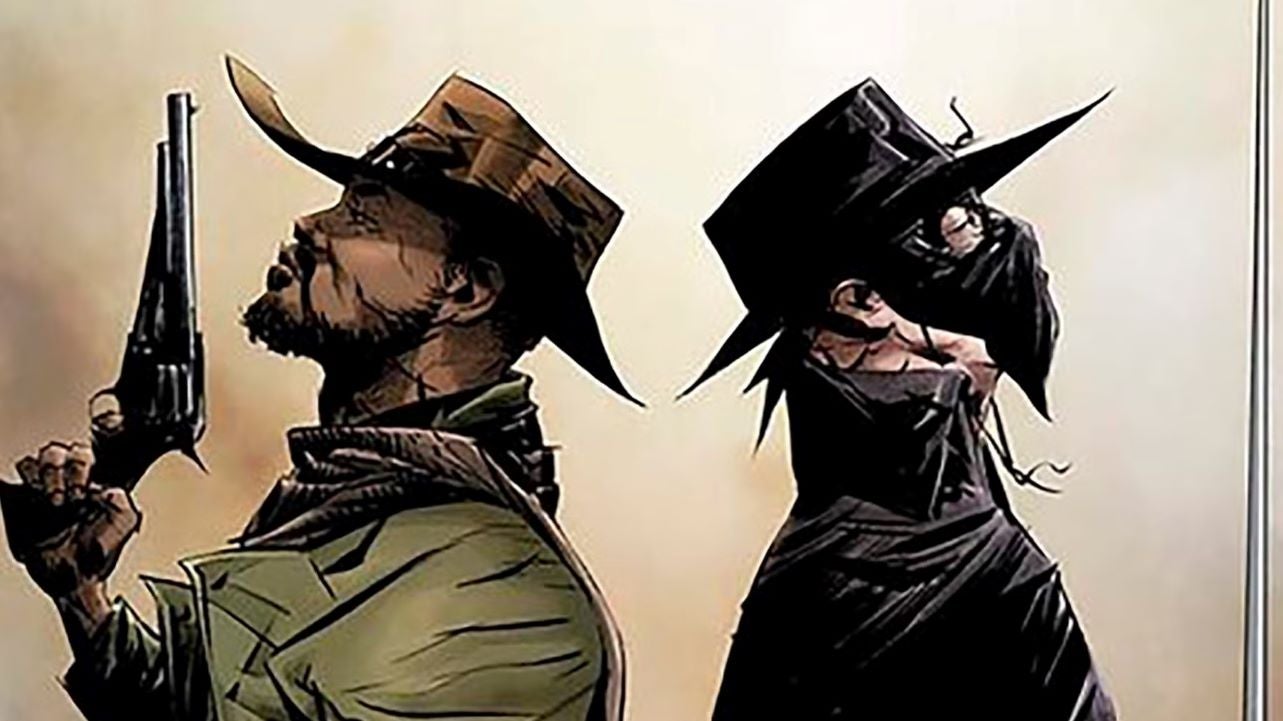
Sony Pictures has decided to move forward with a bold film project titled Django/Zorro. This movie is based on an innovative seven-issue comic book series that combines the universes of Quentin Tarantino’s iconic character, Django, and the famous anti-hero, Zorro. The script will be written by acclaimed screenwriter Brian Helgeland, an Oscar winner known for notable works such as Mystic River and LA Confidential. Go Zorro, Django The development of Django/Zorro stands out for its direct connection to renowned filmmaker Quentin Tarantino, who co-wrote the comic book series alongside Matt Wagner. Published by Dynamite, this fusion of stories […]

Sony Pictures has decided to move forward with a bold film project titled Django/Zorro. This movie is based on an innovative seven-issue comic book series that combines the universes of Quentin Tarantino’s iconic character, Django, and the famous anti-hero, Zorro. The screenplay will be written by acclaimed screenwriter Brian Helgeland, an Oscar winner known for notable works such as Mystic River and LA Confidential.

Go Fox, Django

The development of Django/Zorro stands out for its direct connection to the renowned filmmaker Quentin Tarantino, who co-wrote the comic book series alongside Matt Wagner. Published by Dynamite, this fusion of stories has generated considerable interest among both comic book fans and followers of contemporary cinema. The combination of these two narrative universes promises to offer a fresh and exciting approach, exploring the unique characteristics and styles that each character brings to the table.

Helgeland, recognized for his ability to weave complex and emotionally resonant narratives, faces the challenge of bringing such an unusual crossover to the big screen. His involvement suggests a commitment to maintaining the narrative quality that characterizes both Tarantino’s works and his own. With a script that has the potential to intertwine action, drama, and humor, film enthusiasts hold high expectations for this project.

As production on Django/Zorro progresses, pop culture fans can look forward to more news related to the cast and direction. While some details have been confirmed, other aspects of the development still remain shrouded in mystery. Undoubtedly, this crossover has sparked interest in various circles, and many are already speculating on how these two legendary characters will be integrated into the cinematic narrative.

There is only one perfect trilogy for Quentin Tarantino, and it makes all the sense in the world

Quentin Tarantino, renowned filmmaker of great titles like Pulp Fiction and Inglourious Basterds, has expressed his admiration for the so-called Dollar Trilogy, composed of A Fistful of Dollars (1964), For a Few Dollars More (1965), and The Good, the Bad and the Ugly (1966), all directed by Sergio Leone and starring Clint Eastwood. During an episode of the podcast Club Random with Bill Maher, Tarantino stated that he considers this trilogy to be the only one that “works completely and absolutely to the nth degree.” Tarantino multiplied by three The filmmaker highlighted how each installment not only improves in quality, but […]

Quentin Tarantino, a renowned filmmaker of great titles like Pulp Fiction and Inglourious Basterds, has expressed his admiration for the so-called Dollar Trilogy, composed of A Fistful of Dollars (1964), For a Few Dollars More (1965), and The Good, the Bad and the Ugly (1966), all directed by Sergio Leone and starring Clint Eastwood. During an episode of the podcast Club Random with Bill Maher, Tarantino stated that he considers this trilogy to be the only one that “works completely and absolutely to the nth degree”.

Tarantino multiplied by three

The filmmaker emphasized how each installment not only improves in quality but also expands the original narrative. According to Tarantino, the first movie is fantastic, but the second is just as good and takes the idea to a much larger place than the first”. This progression culminates in the third installment, which, like its predecessor, manages to take the story to new heights. This type of evolution in sequels is, according to him, something uncommon in most trilogies.

The Dollar Trilogy was not originally conceived as a continuous story, as each film can be enjoyed independently despite featuring the same actors. In each installment, the characters played by Eastwood have different names, which highlights the independence of the plots. This characteristic allowed United Artists, after the success of the first film, to decide to market the three as part of the same narrative, even though the stories were not initially connected.

Moreover, the music of Ennio Morricone plays a fundamental role in the atmosphere of these classic western genre films, becoming a key element that complements Leone’s visual direction and the performances of his actors. The masterpiece of these films continues to resonate in contemporary cinema and in the recommendations of filmmakers like Tarantino, who does not hesitate to share his passion for this cinematic legacy.

Quentin Tarantino lashes out at Rosanna Arquette over 'Pulp Fiction': "She's racist and disgusting"

The recent controversy surrounding Rosanna Arquette’s statements about the use of the racist term “nigger” in Quentin Tarantino’s films has sparked a new exchange of words between the actress and the acclaimed director. In an interview with The Times UK, Arquette described Pulp Fiction as an iconic work but expressed her disgust at the use of that word, considering it “racist and disgusting.” According to her, this usage is not art but an unacceptable concession in the cinematic realm. Tarantino’s response was swift and as forceful as […]

The recent controversy surrounding Rosanna Arquette’s statements about the use of the racist term “nigger” in Quentin Tarantino’s films has sparked a new exchange of words between the actress and the acclaimed director. In an interview with The Times UK, Arquette described Pulp Fiction as an iconic work, but expressed her disgust at the use of that word, considering it “racist and disgusting”. According to her, this usage is not art, but an unacceptable concession in the cinematic realm.

The word with N

Tarantino’s response was swift and as forceful as one could expect. In statements to Deadline, the director hinted that Arquette’s criticisms were cynicisms motivated by personal interests and a lack of honor. “I hope the publicity you’re getting from 132 different media outlets writing your name and printing your photo is worth the disrespect you’ve shown me, he noted, reminding her that she had shown enthusiasm while working on Pulp Fiction.

This exchange has delved into the recurring use of racial language in Tarantino’s filmography, who has used the term in Pulp Fiction 20 times, while in his work Django Unchained he does so more than 100 times. That difference highlights the treatment of language and racial issues in his works, which have been the subject of analysis and debate for years.

The tension between Arquette and Tarantino highlights the complexities of art and representation in contemporary cinema. These comments arise at a time when Tarantino is in the eye of the storm, as he has also made controversial remarks about other actors, such as Paul Dano and Matthew Lillard, which could further intensify the scrutiny surrounding his upcoming film, which he has promised will be his last cinematic work.

Quentin Tarantino is alive and kicking, contrary to what people think on Twitter

A rumor that circulated on social media about the supposed death of filmmaker Quentin Tarantino has been denied by sources close to him. The confusion began when a user on the platform X (formerly known as Twitter) claimed that Tarantino had died in an Iranian missile attack in Israel. This unfounded and alarming claim was posted by a user with over 150,000 followers, which facilitated the rapid spread of the false news. Tarantino, dancing the tarantella According to sources who have been in contact with the filmmaker, Tarantino is alive and doing well, […]

A rumor that circulated on social media about the supposed death of filmmaker Quentin Tarantino has been denied by sources close to him. The confusion began when a user on the platform X (formerly known as Twitter) claimed that Tarantino had died in an Iranian missile attack in Israel. This unfounded and alarming claim was posted by a user with over 150,000 followers, which facilitated the rapid spread of the false news.

Tarantino, dancing the tarantella

According to sources who have been in contact with the filmmaker, Tarantino is alive and well, countering the false information circulating on the Internet. The creation of rumors about the death of public figures is not a new phenomenon, but the combination of Tarantino’s name with the current tension in the Middle East has sown confusion among his followers.

Tarantino, known for his iconic films and distinctive style, spends part of his time in Israel and the other part in Los Angeles, which may have contributed to the misinformation. In times of crisis, rumors tend to proliferate, and this particular case underscores the importance of verifying information before sharing it.

The reaction to this type of news on social media can be disproportionate and dangerous, as panic and speculation can lead many to believe in the truth of what is simply a rumor. In the entertainment sector, false news can have a significant impact, not only on the reputation of the individual involved but also on the public perception of broader situations related to the conflict in the region.

For the moment, friends and close ones of Quentin Tarantino invite the media and the general public to refrain from sharing unverified information and to focus on the reality and well-being of the artist.

One of the actors insulted by Quentin Tarantino acknowledges the damage it caused him. "I felt like I had died"

Matthew Lillard, known for his work in movies like Scream and Scooby-Doo, expressed his desire to collaborate with the renowned director Quentin Tarantino during a recent interview. However, his aspirations were overshadowed by the disparaging comments Tarantino made last year on The Bret Easton Ellis Podcast, where he belittled Lillard’s talent, as well as that of other actors like Paul Dano and Owen Wilson. Tarantino even went so far as to label Dano as “the weakest actor in the actors’ guild,” which left a negative mark on the film community. Tarantino vs Lillard The virality […]

Matthew Lillard, known for his work in films like Scream and Scooby-Doo, expressed his desire to collaborate with renowned director Quentin Tarantino during a recent interview. However, his aspirations were overshadowed by the disparaging comments Tarantino made last year on The Bret Easton Ellis Podcast, where he belittled Lillard’s talent, as well as that of other actors like Paul Dano and Owen Wilson. Tarantino even went so far as to label Dano as “the weakest actor in the actors’ guild”, which left a negative mark on the film community.

Tarantino vs Lillard

The virality of the outcome of this controversy was swift, generating a great wave of support for Lillard on social media. Prominent actors and filmmakers, including George Clooney and James Gunn, publicly showed their backing, which led Lillard to reflect on the experience of receiving such support. “I felt like I had died and was in heaven watching everyone send their RIP tweets”, he recounted, comparing the situation to his own wake. This overwhelming support was not limited to colleagues; even strangers approached him in public places to offer words of encouragement.

Despite the disdain shown by Tarantino, Lillard maintained a positive attitude, dismissing the harshness of the comments with a simple response at a fan event: “Who cares?”. However, he also admitted that the director’s words hurt him, especially because he believes such statements would not be made about more recognized actors. In later statements, Lillard joked about the support he received to convince his wife of his worth as an actor, highlighting the emotional complexity behind the situation.

Hollywood comes together in support of Paul Dano after Tarantino's harsh comments

Recently, director Quentin Tarantino made very critical comments about actor Paul Dano during an interview where he reviewed his favorite films of the century. Referring to Dano, Tarantino called him lazy, lazy, and uninteresting, which triggered a wave of support for Dano within the film industry. Celebrities like Toni Collette and Anna Faris came to the actor’s defense, highlighting his talent and the erroneous nature of Tarantino’s criticisms. Everyone with Dano The reaction from the Hollywood community has been strong. At the screening of ‘Little Miss Sunshine’ at the Festival […]

Recently, director Quentin Tarantino made very critical comments about actor Paul Dano during an interview where he reviewed his favorite films of the century. Referring to Dano, Tarantino called him lazy, lazy, and uninteresting, which triggered a wave of support for Dano within the film industry. Celebrities like Toni Collette and Anna Faris came to the actor’s defense, highlighting his talent and the erroneous nature of Tarantino’s criticisms.

Everyone with Dano

The reaction from the Hollywood community has been overwhelming. At the screening of ‘Little Miss Sunshine’ at the Sundance Festival, Collette expressed her outrage, saying: Are we really going to go there? Screw that! He must have been high… it was just confusing. Who does that?. Dano, for his part, expressed his gratitude for the support, noting that it is rewarding to see others speak up in his defense: It was very nice. I am also very grateful that the world spoke for me so I didn’t have to.

Despite public pressure and supportive comments, Tarantino has not made any further statements, which could have repercussions on his reputation. The director’s decision not to apologize has left the possibility of a prolonged controversy open.

Meanwhile, the support for Dano not only reinforces his image in Hollywood, but it also could positively influence his future career, distancing him from the unfounded criticisms of the renowned director.

George Clooney rebuts Quentin Tarantino: "A lack of compassion and respect"

George Clooney has expressed his discontent with the cruelty that characterizes today’s entertainment culture. At a recent ceremony, the actor spoke out against the hostile environment that has taken over the industry, referencing disparaging comments made by Quentin Tarantino about a trio of actors: Paul Dano, Matthew Lillard, and Owen Wilson. Although he did not directly mention the director, his defense of the criticized artists was clear and forceful. Clooney against Quentin Clooney, who was awarded the best actor prize at the AARP’s Movies for Grownups Awards, used his acceptance speech to […]

George Clooney has expressed his discontent with the cruelty that characterizes today’s entertainment culture. At a recent ceremony, the actor spoke out against the hostile environment that has taken over the industry, referring to disparaging comments made by Quentin Tarantino towards a trio of actors: Paul Dano, Matthew Lillard, and Owen Wilson. Although he did not directly mention the director, his defense of the criticized artists was clear and forceful.

Clooney against Quentin

Clooney, who was awarded the best actor award at the AARP’s Movies for Grownups Awards, used his acceptance speech to address these issues. “The current culture is marked by a lack of compassion and respect,” he stated, emphasizing the need to protect industry peers who are subject to unfair criticism. This message resonates deeply at a time when polarization and bullying on social media have become common issues among celebrities.

Clooney’s comments arise in a context where public figures are increasingly exposed to ruthless criticism, especially on digital platforms. While he did not mention specific names, it is a fact that director Tarantino has been in the eye of the storm for his opinions about colleagues in Hollywood. This episode highlights a broader struggle in the film industry, where respect and integrity have sometimes been replaced by personal attacks.

The recognition of Clooney at the AARP’s Movies for Grownups Awards not only celebrates his acting talent, but also establishes him as an important voice in advocating for a more positive and empathetic environment in the film world. In times when cruelty can seem omnipresent, his call for solidarity and mutual support among actors is even more relevant.