Fact Check: Debunking the Misconceptions About the Macedonian and Neapolitan Origins

A simple dish (although it requires its technique, eh, don’t believe it) that we have all taken for granted that it comes from the same country. But oh, surprise. There is trick.

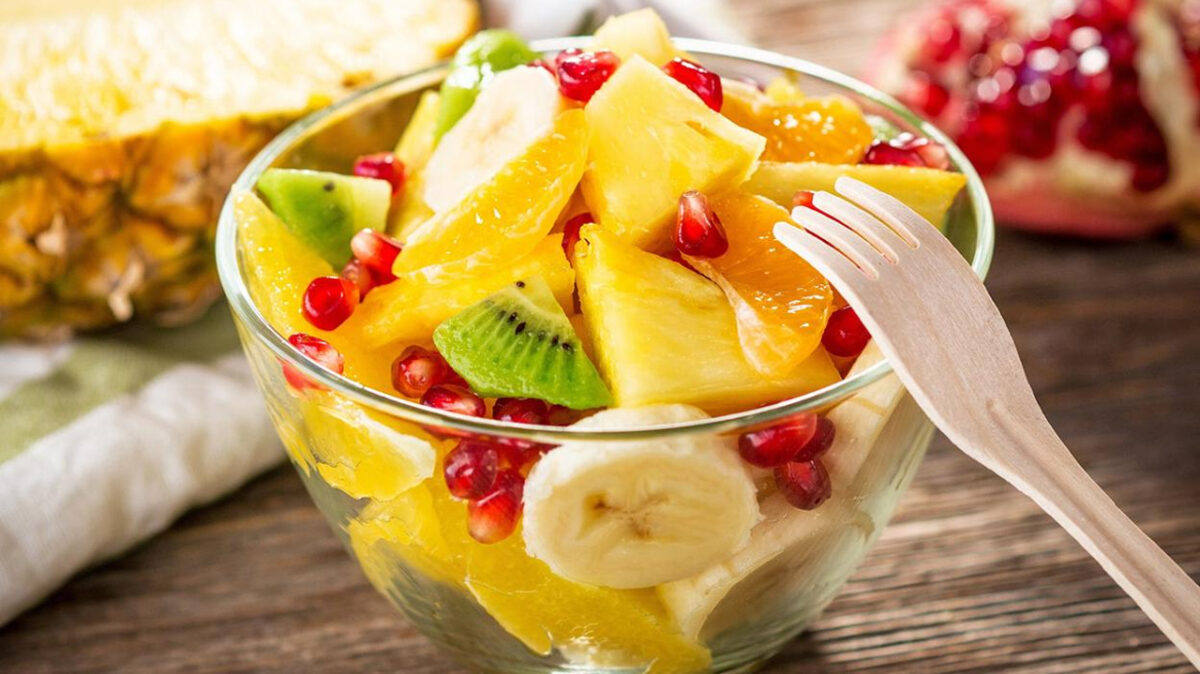
In case you hadn’t noticed when you could fry a fried egg on the sidewalk, summer has arrived suddenly and without warning. And with it, traditions as beautiful as sleeping without sheets, making marathons of series while trying to survive the extreme temperatures and, of course, abandon the stew and welcome the star dish of any self-respecting summer: the fruit salad. A simple dish (although it requires its technique, eh, don’t believe it) that we have all taken for granted that it comes from the same country. But, oh, surprise. There’s a trick.

Just Eat DOWNLOAD
Just Eat EN Meals on Wheels APK

Macedonia tastes like nothing

The mixture of fruits that in other countries is called “tutti frutti”, “tizana” or a very dull “fruit salad” comes from the fourth century BC, when Alexander the Great consolidated a Macedonian empire full of small countries, cultures and languages that somehow functioned as a hodgepodge. Something like a gathering of neighbors condemned to understand each other.

It is not that at that time the king entertained himself mixing fruits: the invention of the dish comes from the 18th century, when in France they began to call “Macedonia” to absolutely any mixture, culinary or not. To understand each other: a children’s class would be a fruit salad and a stew too. In the end, what went down in history was this fruit mixture. Now, please: no sugar or butter. I know, I know you’re thinking, “Who puts butter in fruit salad? Well, who is it going to be: France.

It is not the only food that has nothing to do with its country of origin: it is difficult to find artisan Neapolitan pastries, probably the best breakfast in the history of pastries, in Naples. There you can have all the pizza you want, but not too much pain au chocolat. So, what’s with the name? Well, surprisingly enough, it was a way of making fun of the queen in the 16th century.

In 1504, Isabella I of Castile received the title of Queen of Naples, so she began to be known as such in popular terms: the shape and fatness of the dessert did the rest. To this we must add that in a couplet of the obscene poem ‘Carajicomedia’ there is talk of a “Neapolitan” in a tone, let’s say, relaxed: “The Neapolitan was a courtesan harlot, very named person and very gruessa”. You know: to eat a Neapolitan is to side with the Republic. Up, fat people of the earth.

For another day, the “milanesa” they know nothing about in Milan, the “arroz a la cubana” that nobody eats in Havana and the “ensaladilla rusa” that Putin has never tasted in his life. There is no doubt that when it comes to food: we have been deceived.

Just Eat DOWNLOAD
Just Eat EN Meals on Wheels APK

Some of the links added in the article are part of affiliate campaigns and may represent benefits for Softonic.

Emosido Engañado: ni la macedonia viene de Macedonia ni la napolitana de Nápoles

Un plato sencillo (aunque requiere su técnica, eh, no os creáis) que todos hemos dado por hecho que viene del mismo país. Pero, oh, sorpresa. Hay truco.

Por si no te habías dado cuenta al poder freír un huevo frito en la acera, ha llegado el verano de golpe y sin avisar. Y con él, tradiciones tan bellas como las de dormir sin sábanas, hacer maratones de series mientras tratamos de sobrevivir a las temperaturas extremas y, claro, abandonar el potaje y dar la bienvenida al plato estrella de todo verano que se precie: la macedonia. Un plato sencillo (aunque requiere su técnica, eh, no os creáis) que todos hemos dado por hecho que viene del mismo país. Pero, oh, sorpresa. Hay truco.

Just Eat DESCARGA
Just Eat ES Comida a Domicilio APK

Macedonia no sabe a nada

Ojo al tema, porque tiene guasa: la mezcla de frutas que en otros países se llama “tutti frutti”, “tizana” o un sosísimo “ensalada de frutas” viene del siglo IV antes de Cristo, cuando Alejandro Magno consolidó un imperio Macedónico plagado de pequeños países, culturas e idiomas que de alguna manera funcionaron como mezcolanza. Algo así como una reunión de vecinos condenados a entenderse.

No es que por aquel entonces el rey se entretuviera mezclando frutas: la invención del plato viene del siglo XVIII, cuando en Francia empezaron a llamar “Macedonia” a absolutamente cualquier mezcla, culinaria o no. Por entendernos: una clase de niños sería una macedonia y un potaje también. Al final, lo que pasó a la historia fue esta mezcla de frutas. Ahora bien, por favor: sin azúcar ni mantequilla. Ya, ya sé que estáis pensando “¿Quién le echa mantequilla a la macedonia?”. Pues quién va a ser: Francia.

No es el único alimento que no tiene nada que ver con su país de origen: es difícil que te encuentres napolitanas artesanas, probablemente el mejor desayuno de la historia de la bollería, en Nápoles. Allí pizza la que quieras, pero pain au chocolat no demasiado. Entonces, ¿qué? ¿A qué se debe el nombrecito de marras? Pues, aunque quizá sorprenda, era una manera de reírse de la reina en el siglo XVI.

En el año 1504, Isabel I de Castilla recibió el título de Reina de Nápoles, por lo que empezó a conocérsela así en términos populares: la forma y la gordura del postre hizo el resto. A ello hay que sumarle que en una copla del poema obsceno ‘Carajicomedia’ se habla de una tal “napolitana” en un tono, digamos, distendido: “La Napolitana fue ramera cortesana, muy nombrada persona y muy gruessa”. Ya sabéis: comerse una napolitana es ponerse del lado de la República. Arriba gordos de la tierra.

Para otro día, la “milanesa” de la que en Milán no saben nada, el “arroz a la cubana” que nadie come en La Habana y la “ensaladilla rusa” que Putin no ha probado en su vida. Si es que en tema de comida no cabe duda: hemos vivido engañados.

Just Eat DESCARGA
Just Eat ES Comida a Domicilio APK

Algunos de los enlaces añadidos en el artículo forman parte de campañas de afiliación y pueden representar beneficios para Softonic.