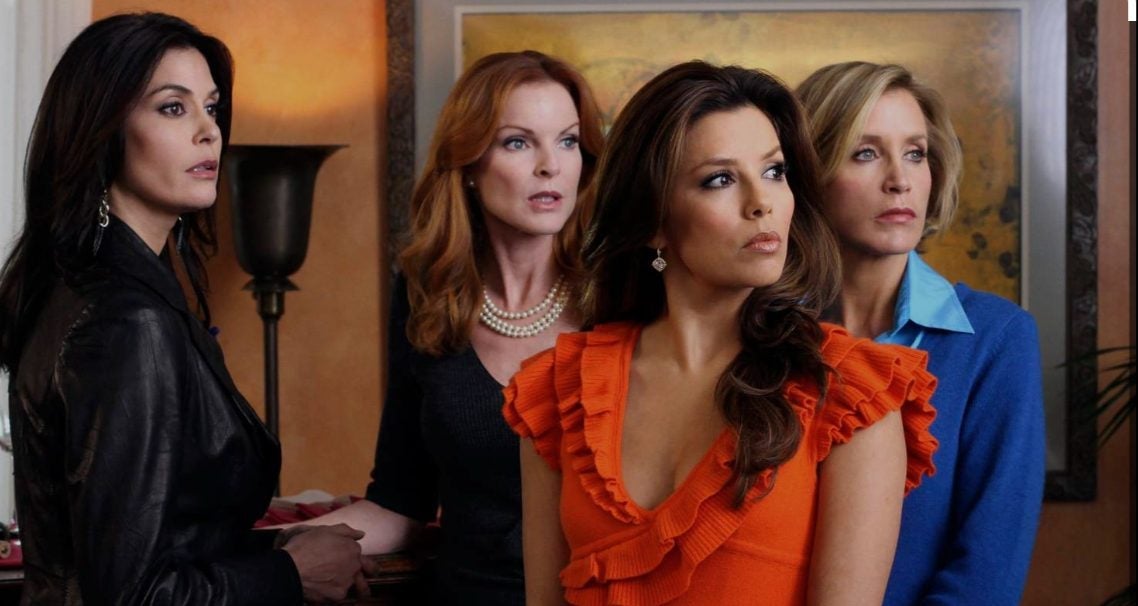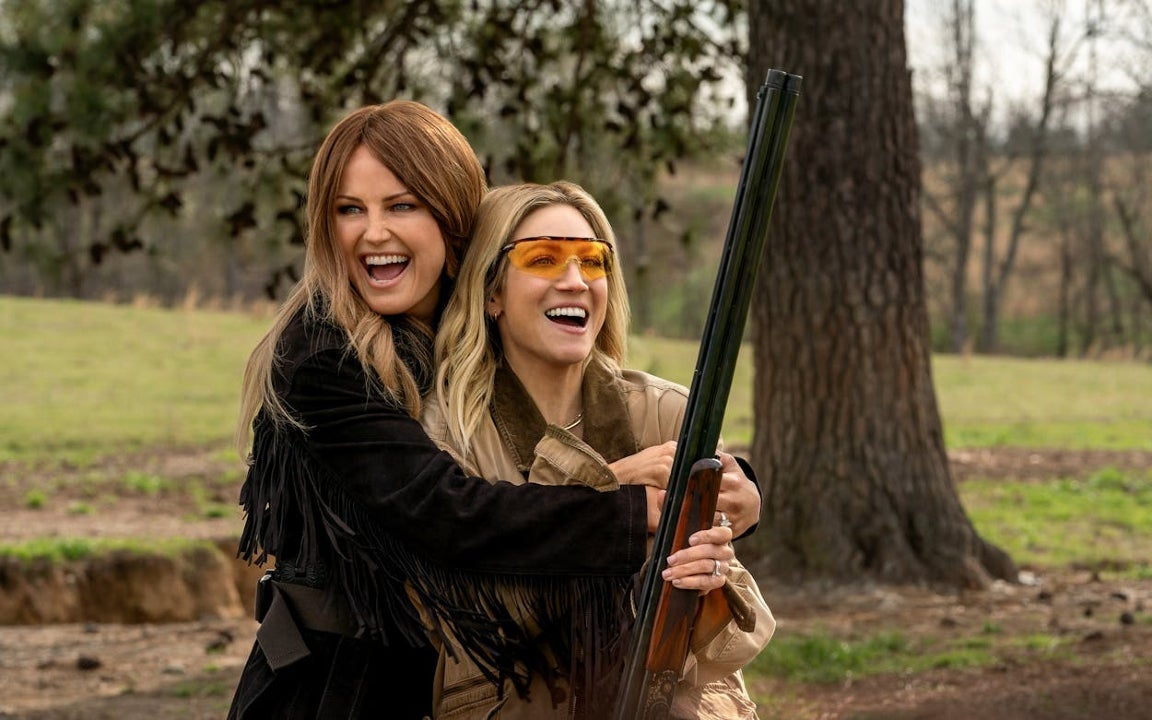
The fascinating combination of wealth and crime has been a recurring focus in numerous television productions, captivating audiences and critics alike. Iconic series such as Desperate Housewives, Big Little Lies, and The White Lotus have explored these themes from different angles, each contributing its own narrative and stylistic richness to the genre. The latest addition to this trend is The Hunting Wives, a series that promises to take this theme to new heights.
The Hunting Wives is an adaptation created by Rebecca Cutter, known for her work on Hightown. Cutter delves into a world where class differences and social dynamics are at the center of a story that combines mystery with the intrigue of human relationships. This contemporary and fresh approach to the duality between opulence and crime suggests that The Hunting Wives could resonate well with an audience that has enjoyed the richly nuanced narratives of the previously mentioned series.
The series promises a deep exploration of the lives of wealthy women in an environment where, behind the facade of luxury, dark secrets and murder plots are hidden. This type of narrative has been especially popular lately, as the audience seeks content that blends personal drama with elements of suspense. The mix of these two worlds, that of the elites and crime, allows for a rich exploration of social and psychological themes, making The Hunting Wives one of the most anticipated offerings of the year.
With the premise already intrinsic to the success of its predecessors, The Hunting Wives could follow the path of becoming a cultural phenomenon. The expectations are high and the curiosity to see how Cutter transforms these dynamics is palpable. The series invites us to reflect on the impact of wealth, ambition, and the limits of morality in contemporary society.