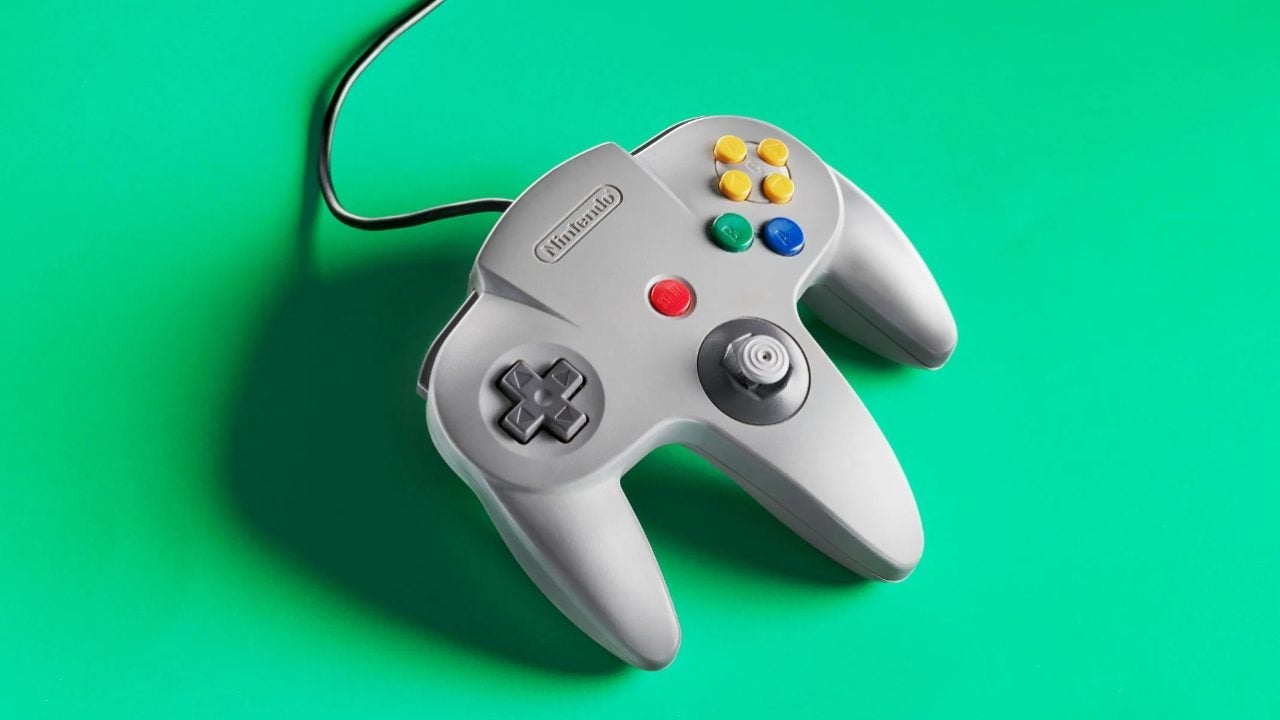
Nowadays, we can’t even imagine a console that doesn’t have Internet, whether it’s for online gaming, downloading games and patches, or even receiving help from other players. However, in the mid-90s, no one was so sure. Yes, experiments had been made since the Atari 2600, but in the midst of the computer revolution, the definitive leap to the network was still missing. In 1996, the first consoles that finally had Internet appeared: the Apple Pippin, the Philips CD-i, and we all know what their cruel and bitter fate was. However, perhaps everything would have been different if Nintendo had dared to take the step with the Nintendo 64. And believe us: it was very, very close.
Internet 64
In 1995, all video game producers knew that a change was coming. We were leaving behind the 16-bit graphics of Super Nintendo to focus on three-dimensional graphics and a new way of playing that seemed futuristic in every way. Sony, which, as we know, did not secure a deal with Nintendo to create a console that used CDs (the Nintendo PlayStation), was about to launch a direct competitor, and Sega was not far behind with Dreamcast. Everyone wanted a piece of the pie, but in this boom, there was something that could have changed the game board and that everyone hesitated about: the Internet.
Meanwhile, elsewhere in the world, Jim Clark and Marc Andreessen had come together to found Mosaic, the first company in history that wanted to profit from the Internet. And of course, who did they turn to first? The brand that had been revolutionizing everything for years: they prepared a 20-page document and went to Nintendo’s offices offering them an online gaming service for their new console. In the offices of the Big N, there was a small commotion, but ultimately… it was all for nothing.
After all, they made the presentation in early 1994, and the console was released at the end of 1995. At Mosaic, they were very eager, and they thought it was too long of a wait, so they put the Nintendo project aside and started creating something else: a web browser. On October 13, 1994, even before the launch of Windows 95, the world saw the arrival of Netscape, one of the first browsers, which quickly captured three-quarters of the market. It wasn’t very big, to be fair.
Nintendo eventually launched the Internet on the Nintendo 64 years later. It was not their intention: the company intended to launch it in 1996, just two years after the console’s release, but it ended up being delayed until 1999. However, it arrived either too early or too late, and the 64DD peripheral never really caught on: it sold only 15,000 units exclusively in Japan before fading into obscurity (the junkyard, that is), and one can’t help but wonder what might have happened if the creators of Netscape had decided to wait just a little longer.
The browser fared better, although now only those of us who were there in the early days of the Internet remember it. In 1999, it was bought for 10 billion dollars, and with its source code, it ended up creating the Mozilla Firefox browser. Netscape eventually ceased to exist in 2008, but Firefox remains standing as one of the best browsers on the market. And to think that perhaps everything would have been very different if, instead of diving into the complex waters of the World Wide Web, they had devoted all their resources to elevating the Nintendo console. If you are under twenty years old, indeed, all of this may sound like Chinese to you, but there was a time when we lived without the Internet. It wasn’t worse. It was simply different.