Aquella vez que Salvador Dalí pidió un elefante bebé como pago por diseñar un cenicero

La idea original del artista era dárselo a los niños de Figueres pero acabó recalando en el zoo de Valencia, donde le llamaron Noi (cambiándole su nombre original, Surus).

Hubo una época en la que Salvador Dalí era mucho más que un pintor y escultor español: se convirtió en todo un icono pop. Apareció en programas americanos donde la gente debía adivinar su identidad, se convirtió en un famoso de talla internacional en un momento en el que España necesitaba como fuera ponerse en el mapa. Con esa carta blanca bajo el brazo, el artista se dedicó a cometer las astracanadas más grandes que os podáis imaginar. Entre ellas, pues lo típico, pedir un elefante bebé a cambio de diseñar un cenicero.

Skyscanner DESCARGAR
Uno de los mejores buscadores de vuelos

Elefante fumón

Aunque ahora podamos coger un avión casi con la normalidad de quien coge un Alsa, en los años 60 era una cosa exclusiva de ricos y gente que había ahorrado toda una vida para hacer un viaje de ensueño. En esos vuelos se podía fumar (no hace tanto de ello: en ‘Misión imposible’ lo hacen y en algunas aerolínas aún quedan los ceniceros como vestigio de otra época) y Air India, en ese periodo de ostentación, quiso destacar de las demás.

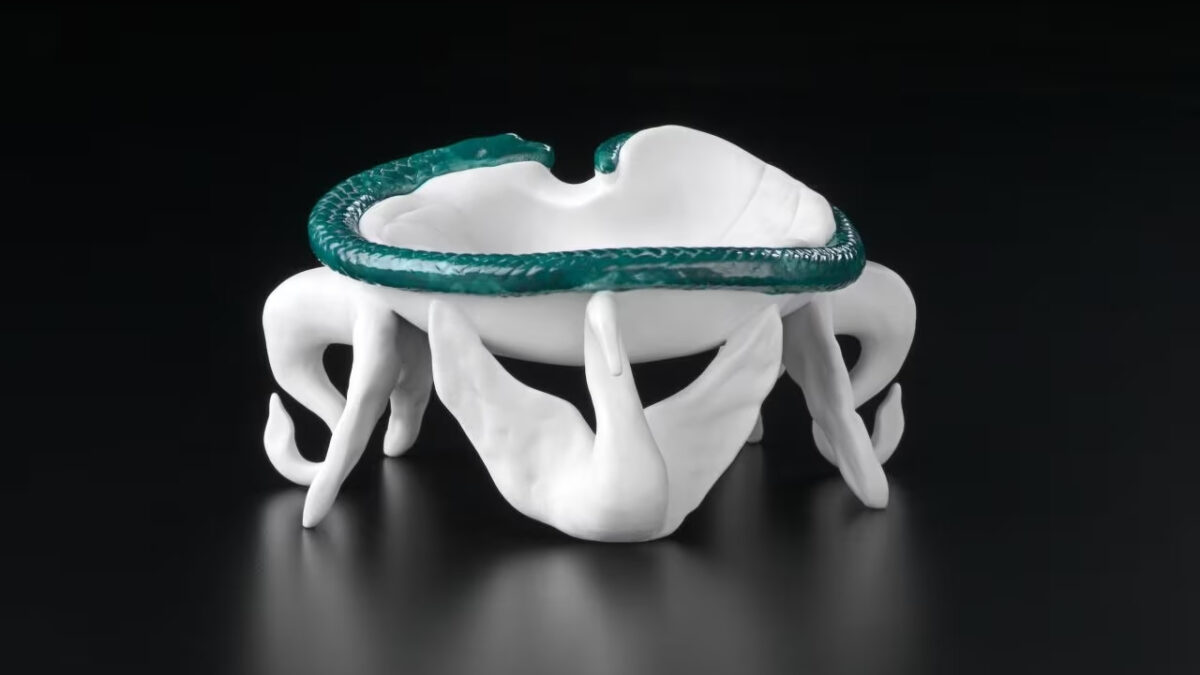
¿Cómo? Pidiéndole al artista de moda, Salvador Dalí, que les diseñara su propio cenicero único. Se trataba de un trozo de cerámica blanca sostenido por elefantes que en el borde tenía una serpiente verde. Precioso a su manera. Tanto, que Dalí supo que podía pedir como pago lo que quisiese: 100.000 dólares y un elefante bebé. La idea original del artista era dárselo a los niños de Figueres pero acabó recalando en el zoo de Valencia, donde le llamaron Noi (cambiándole su nombre original, Surus).
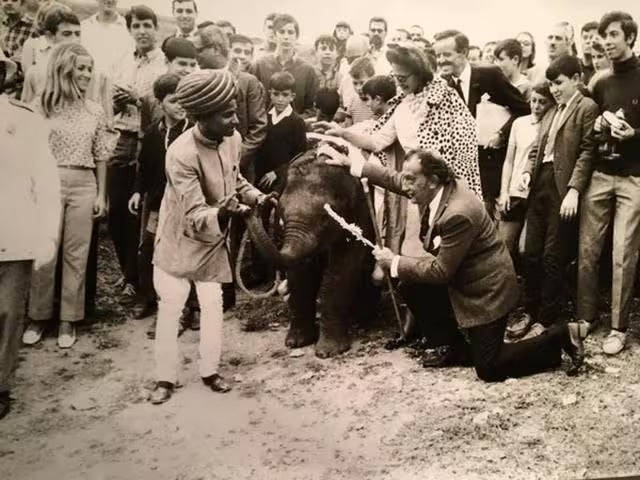
Bueno, esto es lo que pasó, pero la prensa india insistía en que la idea de Dalí era atravesar los Alpes con él. En aquel momento el elefante medía un metro veinte y pesaba 250 kilos. Francamente, no parece que hubiera aguantado muy bien la caminata. Cuando el elefante llegó a Figueres, el artista paseó por las calles con él antes de ir a comer y dejárselo a los camareros del Hotel Durán mientras él disfrutaba de un menú de cordero, pescado, marisco y melón con jamón.

Toda historia tiene su final, y en este caso son dos finales más o menos tristes: el elefante, que llegó a España en 1968, murió a mediados de los 70 sin poder acostumbrarse al clima ibérico. En cuanto a los ceniceros, se hicieron quinientos para primera clase y regalos de Air India, y hoy por hoy se venden por Internet a unos 10.000 euros, una décima parte de lo que pidió Dalí. Eso sí, sin elefantito incorporado. Algo hemos avanzado.

Skyscanner DESCARGAR
Uno de los mejores buscadores de vuelos

Algunos de los enlaces añadidos en el artículo forman parte de campañas de afiliación y pueden representar beneficios para Softonic.

A Surreal Exchange: Salvador Dalí’s Unique Demand for a Baby Elephant as Payment

The artists original idea was to give it to the children of Figueres but it ended up at the Valencia zoo, where they called it Noi (changing its original name, Surus).

There was a time when Salvador Dalí was much more than a Spanish painter and sculptor: he became a pop icon. He appeared in American programs where people had to guess his identity, he became a celebrity of international stature at a time when Spain needed to put itself on the map. With that carte blanche under his arm, the artist dedicated himself to committing the most outrageous acts you can imagine. Among them, the typical, asking for a baby elephant in exchange for designing an ashtray.

skyscanner DOWNLOAD
One of the best flight search engines

Smoking elephant

Although nowadays we can take a plane almost as normally as if we were taking an Alsa, in the 60’s it was something exclusive to the rich and people who had saved a lifetime to make a dream trip. On those flights you could smoke (not so long ago: in ‘Mission Impossible‘ they do it and in some airlines there are still ashtrays as a vestige of another era) and Air India, in that period of ostentation, wanted to stand out from the rest.

By asking the fashionable artist, Salvador Dalí, to design their own unique ashtray. It was a piece of white ceramic held by elephants with a green snake on the rim. Beautiful in its own way. So much so, that Dalí knew he could ask for whatever he wanted as payment: $100,000 and a baby elephant. The artist’s original idea was to give him to the children of Figueres, but he ended up at the Valencia Zoo, where he was called Noi (changing his original name, Surus).

Well, this is what happened, but the Indian press insisted that Dalí’s idea was to cross the Alps with him. At that time the elephant measured one meter twenty and weighed 250 kilos. Frankly, it doesn’t look like it would have held up to the hike very well. When the elephant arrived in Figueres, the artist walked through the streets with it before going to eat and leaving it with the waiters at the Hotel Durán while he enjoyed a menu of lamb, fish, shellfish and melon with ham.

Every story has an ending, and in this case there are two more or less sad endings: the elephant, which arrived in Spain in 1968, died in the mid-70s without being able to get used to the Iberian climate. As for the ashtrays, five hundred were made for first class and gifts from Air India, and today they are sold on the Internet for about 10,000 euros, a tenth of what Dalí asked for. That is, without the elephant in the box. We have made some progress.

skyscanner DOWNLOAD
One of the best flight search engines

Some of the links added in the article are part of affiliate campaigns and may represent benefits for Softonic.