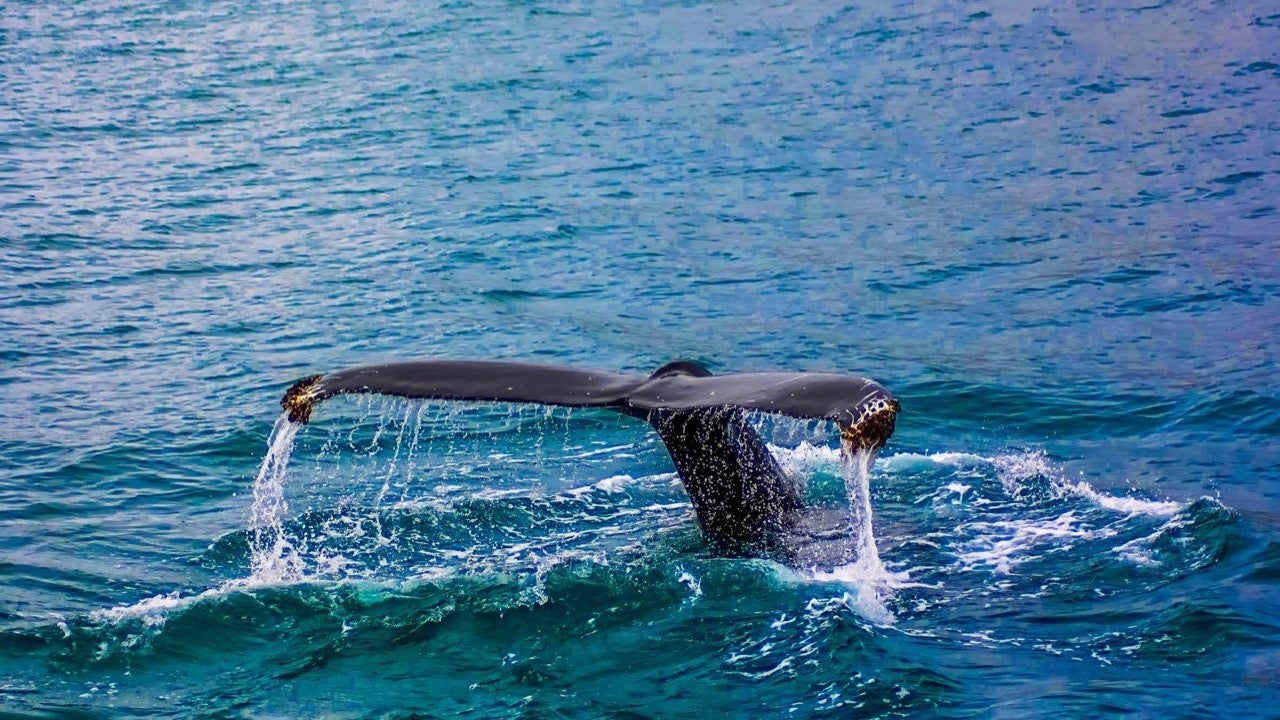
Efforts to communicate with other species have fascinated scientists for decades. Now, a group of researchers is using breakthrough techniques to talk to humpback whales, not just to understand them, but to explore how we might one day talk to beings from other worlds.
The Whale-SETI project
In 2021, researchers from the SETI Institute, University of California Davis, and the Alaska Whale Foundation launched Whale-SETI, a project focused on decoding whale vocalizations. Their aim is to identify structured patterns in these complex sounds and to explore if genuine two-way communication is possible.
A surprising response from Twain
In 2023, researcher Brenda McCowan conducted a 20-minute underwater sound test that led to an extraordinary moment: a 38-year-old humpback whale named Twain responded to the signals, adjusting her vocalizations to match playback intervals. This marked a potential first conversational exchange between humans and a whale using whale-like language.
More than hunting: The bubble ring mystery
Whales are known to create bubble rings for hunting, but recent findings suggest something more. In 12 different events, 11 individual whales formed 39 bubble rings not to hunt, but to interact with humans. These whales stayed still, in a horizontal position, with no prey around—seemingly waiting for a human reaction.
A mirror for extraterrestrial contact
This research isn’t just about whales. Scientist Laurence Doyle, also part of the team, believes this behavior supports a key assumption in the search for extraterrestrial intelligence: if alien life exists and wants to talk, it might reach out first. Just as humans are the observers in the ocean, we may be the whales in the cosmos.