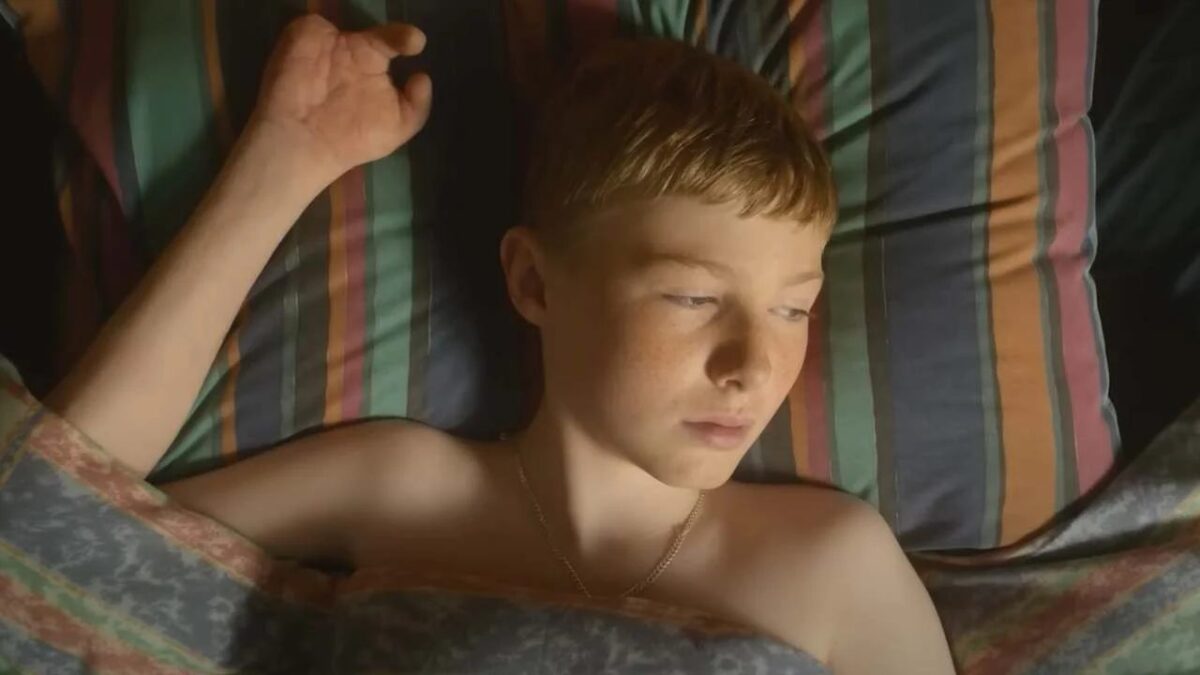
The miniseries Toxic City, created by Jack Thorne, has captured the attention of audiences in 49 countries, achieving a spot in the Top 10 of Netflix. This production recounts a dark chapter in the history of Corby, a small town in northern England that, in the 1980s, experienced an alarming rate of birth defects. The figure was ten times higher than expected, a phenomenon that led 18 families to fight against a system that seemed to be against them.
Are we aware of environmental issues?
The core of the environmental scandal lies in the Stewarts & Lloyds steel plant, which closed in 1981 after years of toxic waste accumulation. These wastes were transported unsafely, resulting in the contamination of the community, which was unaware of the dangers threatening their health. Affected mothers, noticing the anomalies in their children, began a tough legal battle that lasted over a decade.
Thorne, known for previous works like Black Mirror, highlighted that he was unaware of the story before it was presented to him by his co-producers. It had a lot of drama, whether it was the story of the trial itself or the way these women came together and fought together, he stated. The series not only addresses a case of environmental injustice but also reflects the struggles of a working-class community determined to challenge the status quo.
The narrative of Toxic City resonates at a time when environmental concerns are more relevant than ever, and offers a powerful reminder of the costs that corporate negligence can incur. The series invites reflection on the role of the community and institutions in protecting public health.