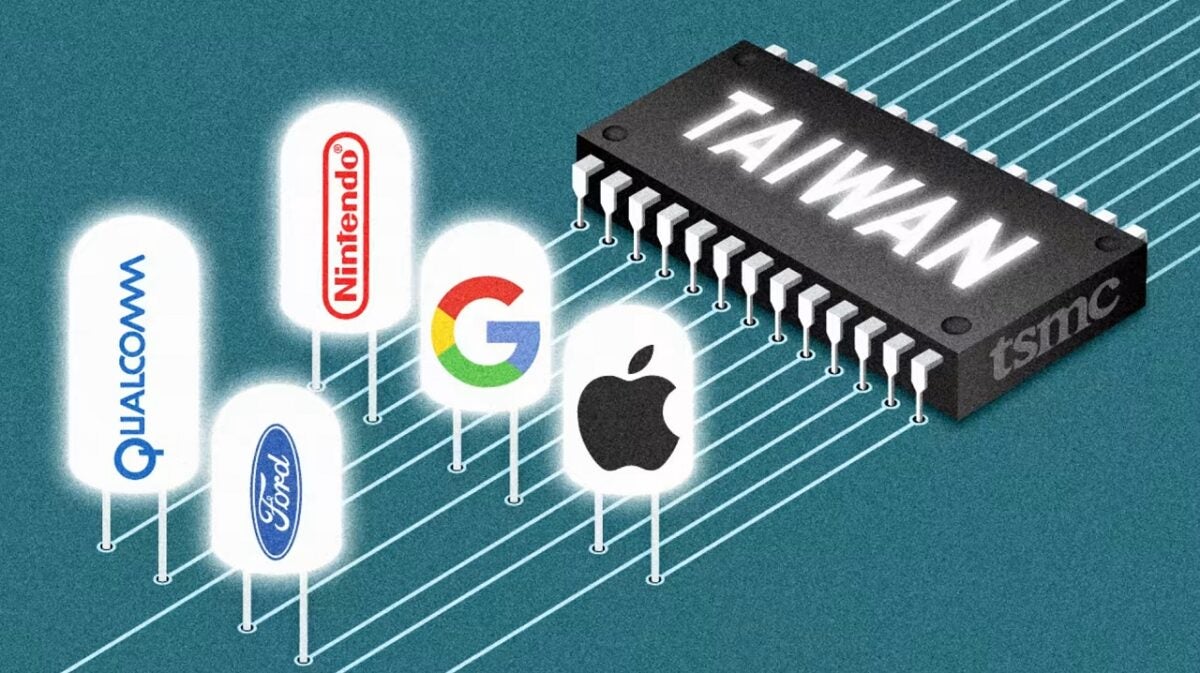
The Taiwan Dollar (TWD) has experienced a remarkable appreciation of more than 10% against the US Dollar (USD) in just a few days, marking the largest increase in over 30 years, according to reports from DigiTimes.
This strengthening of the Taiwanese currency raises concerns about the potential increase in prices of electronic products in the United States, given Taiwan’s crucial role in the manufacturing of semiconductors and electronic components.
Important companies in the sector, such as TSMC and ASE Technology, maintain profit margins that allow them to cope with currency fluctuations.
Economic troubles? The strength of the Taiwanese currency could affect the U.S. electronic market
Nevertheless, the magnitude of the TWD appreciation poses considerable challenges. According to Focus Taiwan, ASE Technology anticipates an impact of approximately 1.5 percentage points on its gross margin for every increase of one TWD against the USD.
The Central Bank of Taiwan has intervened in the debate, warning about the influence of speculation on currency valuations. In a press conference, the bank’s governor stated that the strengthening of the TWD is partly due to heightened expectations surrounding recent trade talks between Taiwanese and American officials.
With this, rumors arise that the United States may be pressuring Taiwan to manipulate its currency in order to make products imported from the Asian country cheaper; however, the Bank denied such allegations.
Despite the global volatility of the financial market, the Central Bank reaffirms that the Taiwanese economy remains robust. What remains crucial is that both individuals and organizations monitor the speculations that could distort the market, as these can generate irrational expectations among investors.