Another episode of your favorite series lands and the group chat is pumped up. You do what most people do. Search for the title, open a streaming app, or click a link someone recommends on a forum or reddit. It’s at moments like these that scammers pounce because they know people are distracted, click without thinking… and not exactly in full detective mode.

Times like these are when having good habits helps, but also a safety net like Avast Free Antivirus, which can help add protection while you browse, click, and stream. Do you want to know more?
In today’s article we’ll break down how streaming scams work, why phishing attacks spike around big releases, and what you can do to protect your devices without ruining streaming time!
Scams Ramp Up When Something Is Trending
Whenever a new movie or TV show starts trending, it’s only natural that online discourse and hype follows. Social posts spread like a wildfire and people start clicking the first result they see. Scammers love that. They are basically showing up for the premiere too, just not for the right reasons. Why are they so effective? Here’s a few reasons:
- When a show premieres, its spikes in searches makes it easier for fake pages to blend in.
- Hype makes an online “early access” or “special offer” bait feel believable (and more enticing to users!).
- Social sharing lowers people’s guard because the links come from friends and family.
This isn’t limited to shady corners of the web either. In March 2025, a Microsoft Threat Intelligence report described a malvertising campaign that affected nearly one million devices globally, primarily in the US, Canada, South Africa, the UK and Spain.
The attacks traced back to malicious ads placed on illegal streaming sites that pushed users through redirect chains to suspicious downloads. The specific sites may vary, but the lesson is consistent: When entertainment is in high demand, scam traffic follows the crowd.
You Don’t Have to Pirate to Get Scammed
It’s normal to think that streaming scams might only happen to people who search for pirated content because they’re browsing risky and dangerous sites. While that might be true, it’s not the entire picture. Many scams target normal, mainstream behaviors too, like people simply trying to log in legitimately to watch a show. That can be more than enough excitement for scammers, because the target base is large.
Some common ways that people using legit platforms get exposed are these:
- You search for a streaming login page instead of using the app or a bookmark.
- You click on sponsored content that looks official.
- You answer an email that claims there’s a billing issue.
- A Scanned QR code promises a deal.
- You signed up via a “free trial” or a “shared” link.
In other words, good intentions may not necessarily protect you. A scammer doesn’t care if you’re paying for the real service. They care that you trust the brand name.
Be extra cautious with fake streaming activation pages, especially when they show up in normal search results and look like the official sign-in page. That is what makes them effective. They do not look obviously sketchy. They look close enough to the real thing that people log in without thinking twice.
The same goes for phishing messages about “payment problems” or “account issues”. They are designed to sound routine, not dramatic, so you click before you stop and check. One message about a failed subscription charge right before a new episode drops is often all it takes for your data to fall in bad hands.
Why Fake Streaming Pages and Phishing Messages Look So Convincing
Scams aren’t easy to catch due to bad grammar and cheap logos anymore. Actually, these frauds are extremely convincing because copying a real site’s design is incredibly easy today. With the rise of AI, scammers use tools and techniques that easily help them fake pages that look close enough to pass a quick visual scan.
But that’s not all, they also excel at creating malicious links that point to a web address that’s almost right to pass a moment of letting your guard down. Chatbots can also concatenate stock responses and mimic official brand language to enhance the illusion of being on an official site.
That’s why phishing is so dangerous. These scams try to trick you into giving up passwords, payment details, or other sensitive information by pretending to be a trusted company and service and they are currently very hard to spot.
In the streaming world, phishing scams usually use these tricks:
- Pages and emails have lookalike branding with copied logos and layouts
- They have “routine” messages like subscription renewal notices
- Normally include urgent warnings like “payment failed” or “account locked”
- To build your trust, they have fake customer support chats that push you to “verify” details
The key moment is the click. Malicious links can send you to a fake sign-in page or trigger a harmful download disguised as something normal, like a browser update or a video player fix.
Why does it work so well during trending moments? Because people already expect friction. Password resets, payment retries, app logins, and device prompts are all normal parts of streaming, especially when everybody is trying to watch it at the same time.
Everyday Moments Where Scammers Creep in
The most straightforward way to avoid getting caught out is by knowing which habits bad actors are looking to exploit. Scammers are basically trend-followers too, just with much worse intentions.
Let’s cover the most common situations where people get caught off guard.
Searching for a Login Page and Clicking on the First Result
Showing up in search engines like Google doesn’t make a site legitimate. Search engines filter out a lot of bad pages, but even then sometimes spammy and dangerous content can show up.
When you see a login portal on page one, even if the domain looks slightly weird, you might shrug it off because it appears on Page 1 of the search results. A scammer wants you on this site to capture login credentials. This can mean an account takeover and a password reuse problem.
“There’s a Subscription Issue,” Comes the Message, Right Before a Premiere
The timing is very inconvenient because you’re looking forward to tonight’s launch in about 15 minutes. The message is framed legitimately and it sounds like you just need to fix a small issue to keep your account open. The scammer just wants you to click a link and enter payment info or sign in to “verify.” If you follow through that could lead to card fraud or stolen credentials.
A Group Chat Friend Posts an “Early Access” Link
We trust our friends, but that trust can be used as a shortcut. A scammer is counting on social trust, so if a friend has been a victim of a scam and has had their account taken over, the risk is that you get nudged toward malicious links, fake surveys, or downloads.
Scanning a QR Code to a Deal or a Free Trial
A QR code is hard to verify where it will take you until you actually scan it. That makes them great for scammers because most people have learned how to recognise fake URLs. Like in most cases, the goal is to get you to log into a fake page, install something malicious like an “important browser or app update” to keep watching, or payment details.
What One Wrong Click Can Cause After You Press Play
Most streaming scams target convenience. As a result, the impact is usually pretty practical and could turn a movie night into a clean-up of accounts.
In the short run, you may find yourself locked out of accounts with unanticipated password resets, and unauthorized card charges that need disputes. You may also lose access to your email if the attacker uses your password to break into the primary inbox associated with your account.
However, when malware sneaks through, then problems have the possibility to extend beyond annoyance. Devices running slowly, browsers are behaving really weird, and an untold list of details about you are being amassed and traded in multiple ways.
In most cases, wasted time is the greatest cost as you have to prove that these accounts belong to you while trying to reset access you never granted in the first place.
Tips for Protecting Your Device on Movie Night
There are some surprisingly easy ways to increase online safety, even when your browsing habits may lag common sense practices. The general idea is to decrease the probability of landing on risky pages, form healthy habits and restrict impact.
Check if you’re already taking any of these measures, and consider if you aren’t:
- Use an official app or save official bookmarks and only use those.
- Never click any account or payment links from email invoicing or texts.
- Verify the address of a website in the browser bar before entering credentials.
- Avoid unknown or “early release” websites when streaming.
- Ignore and close popups that claim software updates from a streaming page.
- Enable multi-factor authentication whenever it’s available.
- Antivirus protection as a backup layer to good browsing habits.
These measures alone make a huge difference to the specific streaming scenarios referenced above.
Safe Browsing and Streaming with Avast Free Antivirus
When you’re bouncing between different screens or apps during the buzz of a trending release, good habits are important to streaming safety. So long as you’re taking your security seriously, then having fallback protection for if you have a lapse of judgment will give you an extra layer of safety.
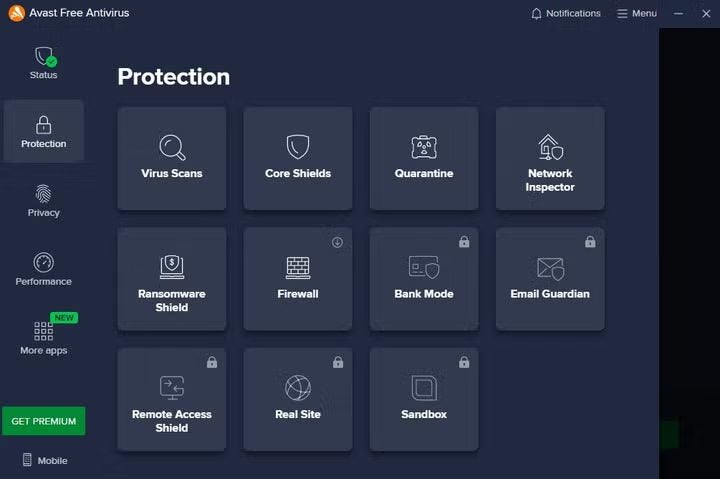
Avast Free Antivirus is designed for normal everyday use. So when you’re following the latest streaming trends it can help in the following ways:
- Real-time Protection while you stream or browse:This means when visiting a page that looks normal, scanners in the background can help to identify signs of potentially hazardous sites or files.
- Detecting malicious links and high-risk websites: If you land on a suspicious streaming page, you may get a warning on a known risky site, nudging you to exit before entering login credentials.
- Scans for harmful downloads: Real-time threat scanning for unsafe files.
- Lightweight for non-technical users: It’s easy to set up and helps provide an extra layer of protection without the need for deep technical diving.
Nothing replaces your awareness. Combining careful browsing with Avast Free Antivirus, especially when browsing, builds less exposure from common scams during the most intense hype releases.
Enjoy Binge-Watching Without Scams
Where a debut grabs the whole internet’s attention, scams follow close behind. Familiar branding and hasty footwork, coupled with increased urgency and high-impact release cycles create the perfect environment for frauds like phishing. The techniques might have changed, but the concept is always the same.The good news is you can refine some habits that will help you protect your devices from poor browsing practices, suspicious links, and dubious “free trials”. Common sense is always the first line of defense but if you’d like to add an extra layer of protection, we recommend trying Avast Free Antivirus. That way you won’t just minimize potential risks but also enjoy your favorite shows with peace of mind.
