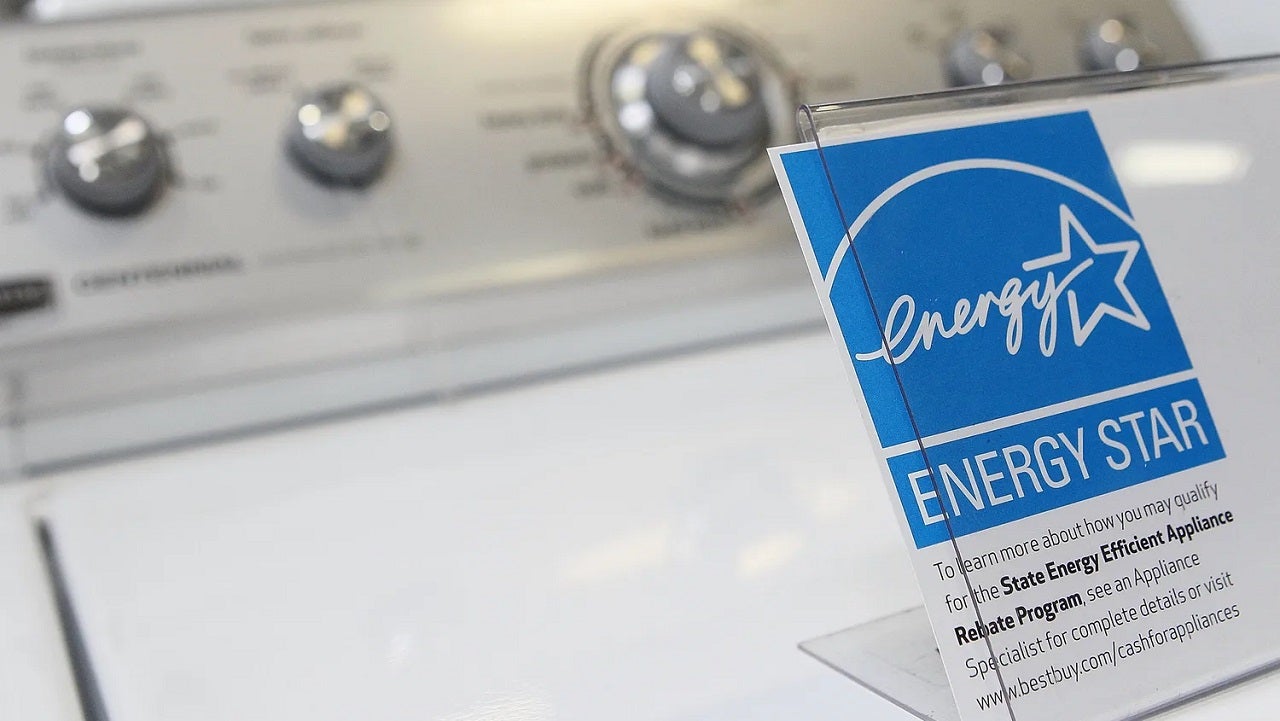
The Trump administration’s recent push to eliminate the ENERGY STAR program has drawn widespread concern from energy experts and consumers alike.
Established in 1992, ENERGY STAR has been a hallmark of energy efficiency, helping Americans save over $500 billion in energy costs while significantly reducing greenhouse gas emissions.
With around 90% of U.S. households recognizing the ENERGY STAR label, its removal could mean drastic changes for consumers, particularly low-income families who may lose an estimated $450 in annual savings from choosing ENERGY STAR-certified products.
Elimination of ENERGY STAR Could Cost Families $450 in Annual Savings
Rebecca Foster, CEO of the Vermont Energy Investment Corporation (VEIC), emphasized that the ENERGY STAR program functions as a “certification of confidence,” helping consumers easily identify which appliances and homes meet energy-efficiency standards.
Its elimination could lead to confusion about which products are genuinely efficient, resulting in increased monthly expenses for consumers. Furthermore, the lack of clear guidelines could disrupt existing energy efficiency programs at state and local levels, complicating access to rebates and incentives tied to ENERGY STAR certifications.
Moreover, the impact on the electric grid may be significant. With electricity demand set to rise sharply—potentially an 11% increase in New England over the next decade—losing ENERGY STAR could hinder efforts to manage this demand efficiently.
Foster noted that ENERGY STAR has played a crucial role in maintaining stable electricity usage, making it easier for utilities to avoid costly expansions to fossil fuel power generation.
As families continue to face rising costs, the potential repercussions of dismantling such a vital program raise alarms among advocates for sustainable energy. Experts argue that maintaining ENERGY STAR is essential not only for consumer savings but also for broader environmental goals, ensuring a sustainable and efficient energy future for all Americans.