Apple Unveils Revolutionary Liquid Glass Interface for Its Operating Systems

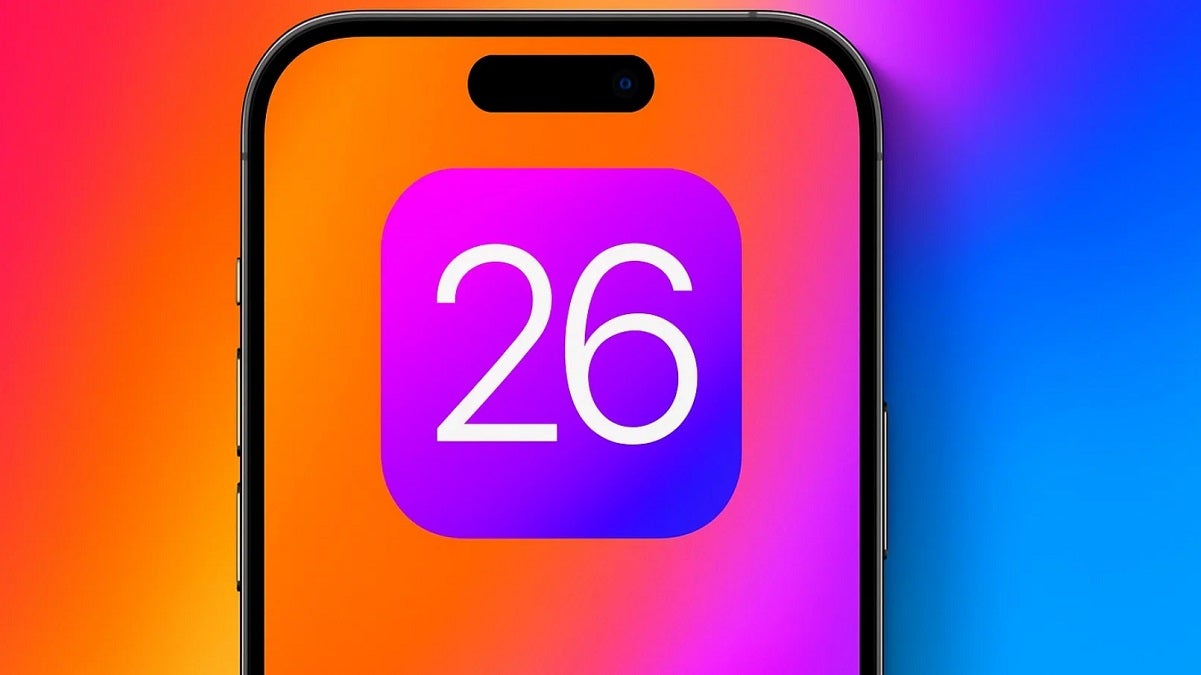
In a significant update announced during a recent keynote, Apple revealed its new Liquid Glass interface, set to debut across multiple platforms including iOS 26, iPadOS 26, macOS 26, watchOS 26, tvOS 26, and visionOS 26.

This marks Apple’s first major redesign since iOS 7, which was launched in 2013, and is designed to enhance the synergy within Apple’s expansive ecosystem.

Liquid Glass introduces a digital material that promises a smooth and engaging user experience without altering the established layout of buttons.

Apple Unveils Liquid Glass Interface Set to Transform User Experience

Instead, it aims to create a more expressive and sensitive interface that allows for fluid transitions between apps. Inspired by innovations from Apple’s Vision Pro and visionOS, the new interface includes features like application overlays that seamlessly integrate digital elements with the real world.

During a conversation with Alan Dye, Apple’s VP of Human Interface Design, it was revealed that the transformation into Liquid Glass stemmed from years of development within visionOS.

Dye emphasized that while the design is visually inspired by the characteristics of glass, it functions as a vastly more adaptable digital format. The interface allows for dynamic movement and interaction, presenting a refined experience as users navigate through applications.

Liquid Glass is set to be available for developers in beta form soon, with a public beta scheduled for July, and a full release planned for fall 2025. As Apple continues to refine its design philosophy, focusing on simplicity and cohesion, the Liquid Glass interface appears to be a promising evolution for Apple’s operating systems.

Overall, the introduction of Liquid Glass fuses Apple’s commitment to innovation with its goal of a harmonious user experience, moving toward a future where hardware and software become even more intertwined.

Google Play to Say Goodbye to Instant Apps by December 2025

Google Play is set to end support for Instant Apps in December 2025, marking the final chapter for this much-touted feature introduced at Google I/O 2016.

The announcement was reflected in the latest Canary build of Android Studio, signifying that both the publication and all related APIs will cease to function as of the specified date.

Despite initial high hopes, Android Instant Apps have largely failed to resonate with developers and users alike.

Google Shifts Focus as Instant Apps Face Final Curtain Call

One of the most significant setbacks was the stringent 15 MB size limit imposed on these applications, which proved to be a substantial obstacle for developers striving to create succinct versions of their apps. This restriction stifled creativity and viability, leading to a lack of widespread adoption.

Vimeo and other notable companies attempted to integrate Instant Apps into their services, but the results were disappointing. The initial allure of using apps without installation—offering storage savings and performance improvements—did not translate into real-world utility.

Instead, as mobile devices evolved to provide increased internal storage and more generous data plans, the practical advantages of Instant Apps diminished.

Feedback from users also highlighted a disconnect; beyond the initial excitement, many found Instant Apps did not significantly improve their experience. They either did not provide enough functionality or created a cumbersome user experience, ultimately failing to capture long-term interest.

As the countdown to their demise begins, this development serves as a reminder of the challenges that come with innovation in the tech landscape. The end of Instant Apps signifies a clear shift in user preferences and the evolving needs of mobile app ecosystems.

Google’s decision marks a significant change in strategy, as the company recalibrates its focus toward solutions that better meet the demands of modern mobile users.

Trump criticizes Apple for moving iPhone production to India

President Donald Trump has expressed his disagreement with Apple’s decision to move the production of most iPhones intended for the U.S. market to India, thus avoiding the high tariffs imposed on products of Chinese origin. In statements to the press, Trump emphasized that he prefers the manufacturing company to produce its devices in the United States. “I don’t want you building in India,” he stated, addressing Tim Cook, CEO of Apple. Despite the $500 billion investment intentions that Apple has promised to make in the United States, this amount will be […]

President Donald Trump has expressed his disagreement with Apple’s decision to move the production of most iPhones intended for the U.S. market to India, thus avoiding the high tariffs imposed on products of Chinese origin.

In statements to the press, Trump emphasized that he prefers the manufacturing company to produce its devices in the United States. “I don’t want you building in India,” he said, addressing Tim Cook, CEO of Apple.

Despite the investment intentions of 500 billion dollars that Apple has promised to make in the United States, this amount will be allocated to infrastructure projects, research and development, and productions for Apple TV+, but does not include device manufacturing.

La inversión de $500 mil millones de Apple en EE. UU. excluye la fabricación de dispositivos

Meanwhile, Apple plans to source most of the iPhones sold in the country from India, as well as products like Mac, iPad, and AirPods from Vietnam.

Apple has argued that local manufacturing of devices in the United States is unfeasible due to the lack of adequate facilities and specialized talent. During a recent earnings call, it was reported that, in the upcoming quarter, most of the iPhones sold in the United States will have India as their country of origin, in an attempt to diversify its production chain.

The Trump administration has viewed tariff policy as an incentive for companies to increase their local production, something that Apple has not shown willingness to do so far.

Previously, the company warned that such policies could cost it nearly one billion dollars in its operations during the April to June quarter; however, there is uncertainty about how future trade measures will be affected by the recent agreements between the United States and China, which have a validity period of 90 days.

Nano 3D printing could reduce chip production costs by 90%

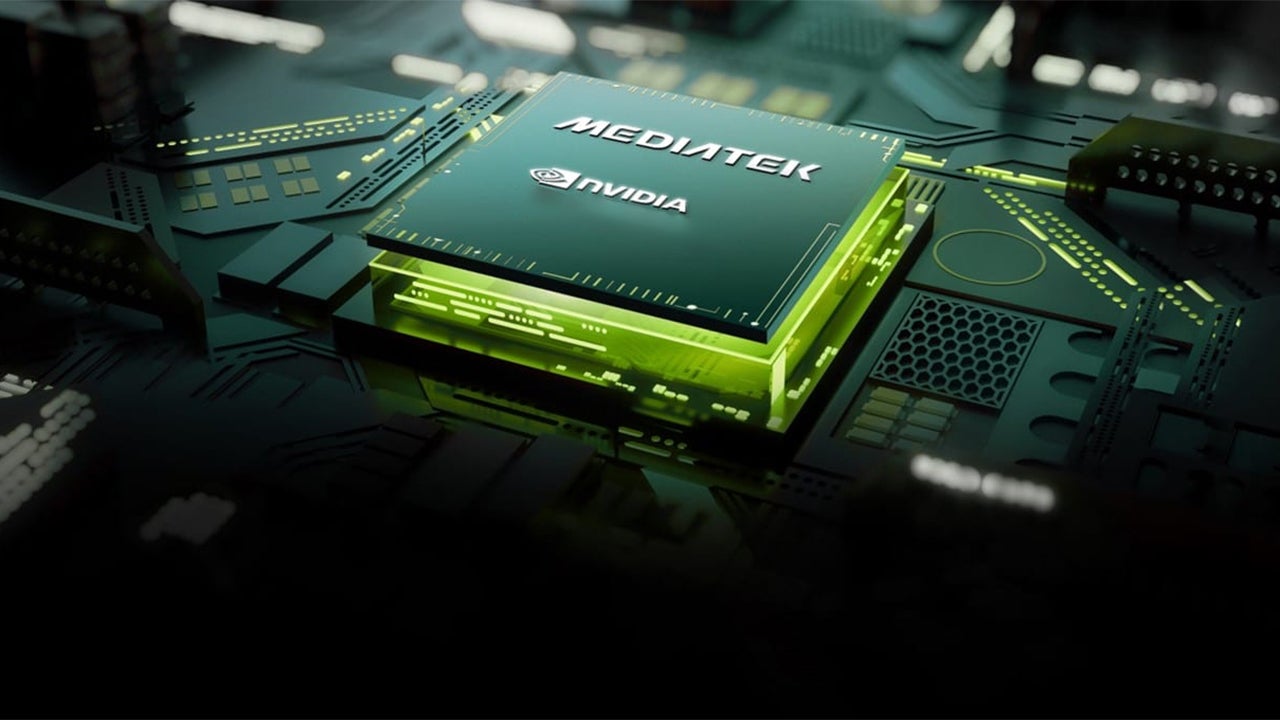
Atum Works, a recent startup, has claimed that its innovative nano-scale 3D printing method could revolutionize chip manufacturing by reducing production costs by 90%. However, it should be noted that its technology is approximately 20 years outdated for logical chip manufacturing, which limits its application in the development of high-performance processors. The manufacturing of modern integrated circuits is a complex process that involves multiple stages and specialized tools, which increases costs. Collaboration with Nvidia underway: is Atum’s 3D printing viable? […]

Atum Works, a recent startup, has claimed that its innovative nanoscale 3D printing method could revolutionize chip manufacturing by reducing production costs by 90%.

However, it should be noted that its technology is outdated by approximately 20 years for the manufacturing of logic chips, which limits its application in the development of high-performance processors.

The manufacturing of modern integrated circuits is a complex process that involves multiple stages and specialized tools, which increases costs.

Collaboration with Nvidia underway: is Atum 3D printing viable?

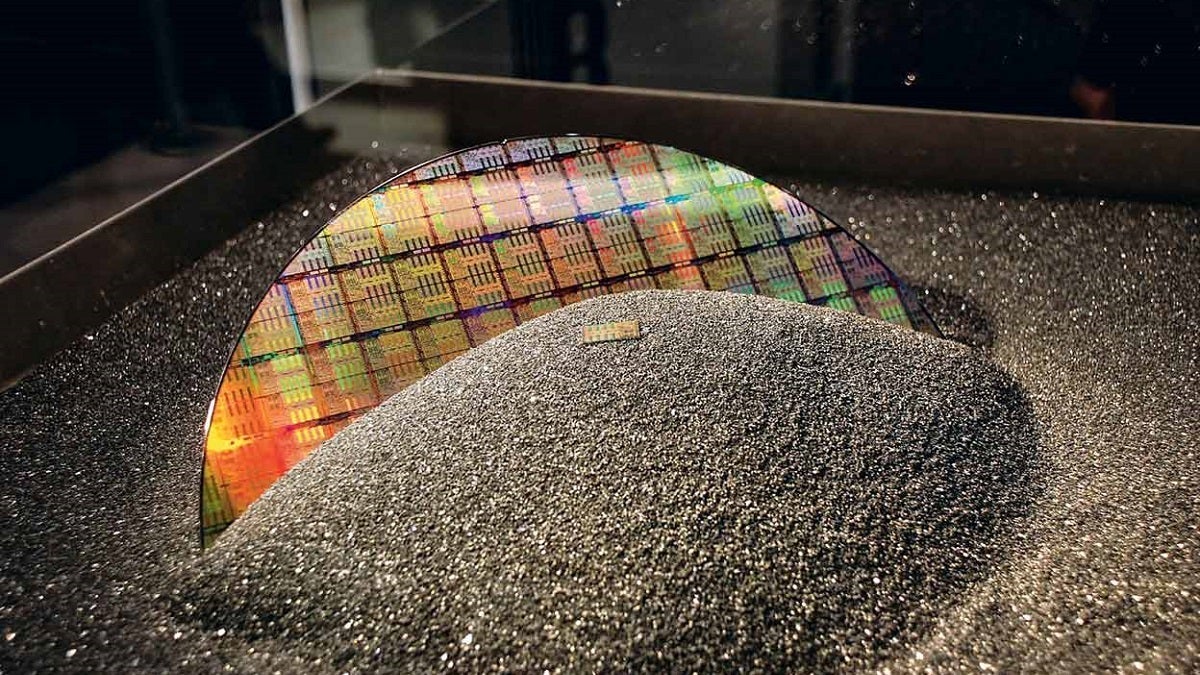
Unlike conventional methods that use planar lithography with light exposure to pattern circuits on silicon wafers, Atum Works’ 3D printer operates by depositing materials at precise locations in a three-dimensional space, allowing for the fabrication of multi-energy 3D structures.

The printer achieves a resolution of 100 nanometers, which is relevant for process technologies of 90 to 110 nanometers, used between 2003 and 2005.

While this means that Atum Works’ nanoscale 3D printing is not suitable for high-performance chips, it could have significant applications in areas such as packaging, photonics, and sensors, where complex design is more beneficial than extreme miniaturization.

Despite these limitations, Atum Works is in talks with potential clients and plans to start product deliveries within the current year. Among its initial collaborations is a letter of intent for collaborative development with Nvidia.

The viability of this technology will depend on its compatibility with existing tools and manufacturing workflows, which is still under discussion.

Midrange Smartphones Embrace AI: Budget Models Get Premium Features

The midrange smartphone market is undergoing a significant transformation as manufacturers increasingly integrate artificial intelligence (AI) capabilities typically reserved for premium models.

For consumers looking for budget-friendly options, this shift means access to advanced features that enhance usability and functionality.

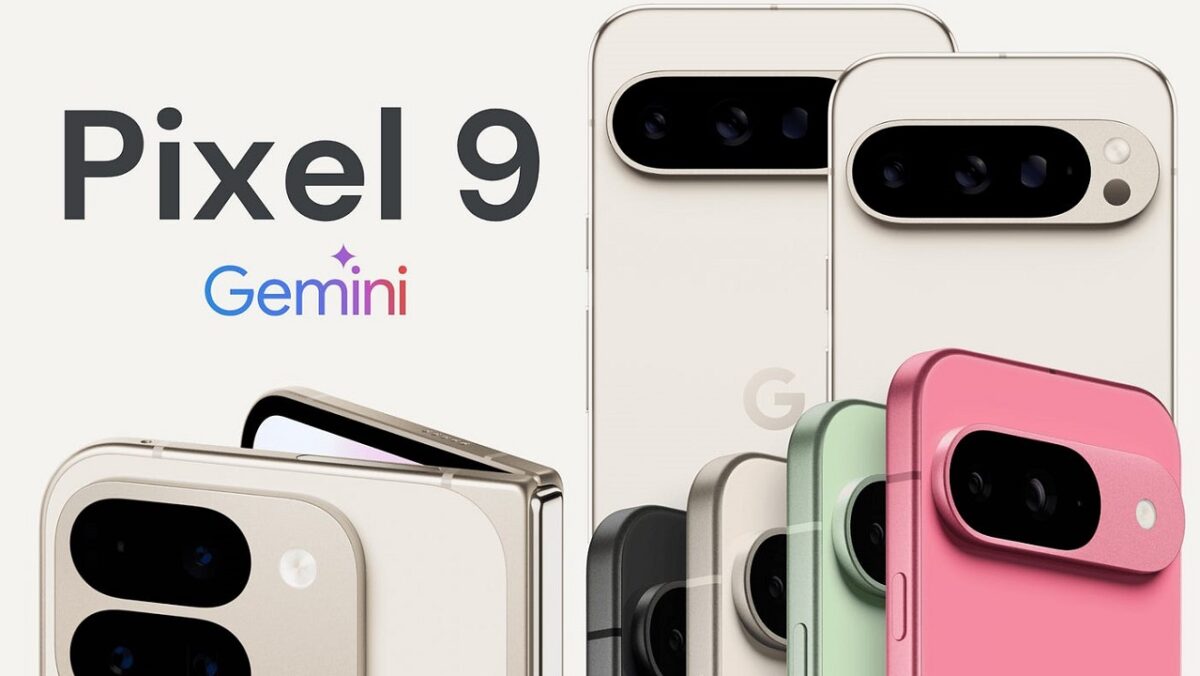
Google’s Pixel 8a, powered by the Tensor G3 chip, exemplifies this trend, offering a suite of AI features like the Best Take for photo editing and the Audio Magic Eraser, which eliminates distracting background noise from videos.

Apple has also joined the AI parade with the introduction of the iPhone 16e

With the ability to receive regular updates that bolster its AI capabilities, the Pixel 8a positions itself as a leading contender among affordable smartphones.

Apple has also joined the AI parade with the introduction of the iPhone 16e, priced at $599. This device incorporates the A18 chip, allowing users to access sophisticated writing and image editing tools akin to more expensive models. Features such as context-sensitive prompts for editing and an improved Siri experience signal Apple’s commitment to making its AI offerings more accessible.

Samsung’s latest Galaxy A series, particularly the Galaxy A56, showcases significant advancements such as enhanced photo editing and search functionalities powered by AI. Earlier models in the A series had offered limited features, but the new updates reflect a competitive push to catch up with the offerings from Google and Apple.

Meanwhile, the Nothing Phone 3a integrates AI in a more niche application with its Essential Space app, which organizes information but lacks the robust AI features seen in other devices. OnePlus has also dipped its toes into AI with the OnePlus 13R, although its offerings are the least comprehensive among the midrange phones reviewed.

As AI capabilities continue to evolve and trickle down from premium devices, consumers can expect a richer landscape of features even within the midrange segment. With rumors suggesting that upcoming models like the Pixel 9a could introduce even more advanced AI functionality, the future looks promising for budget-conscious tech enthusiasts.

Affordable and Thoughtful: TCL’s NXTPaper Displays Challenge OLED Technology

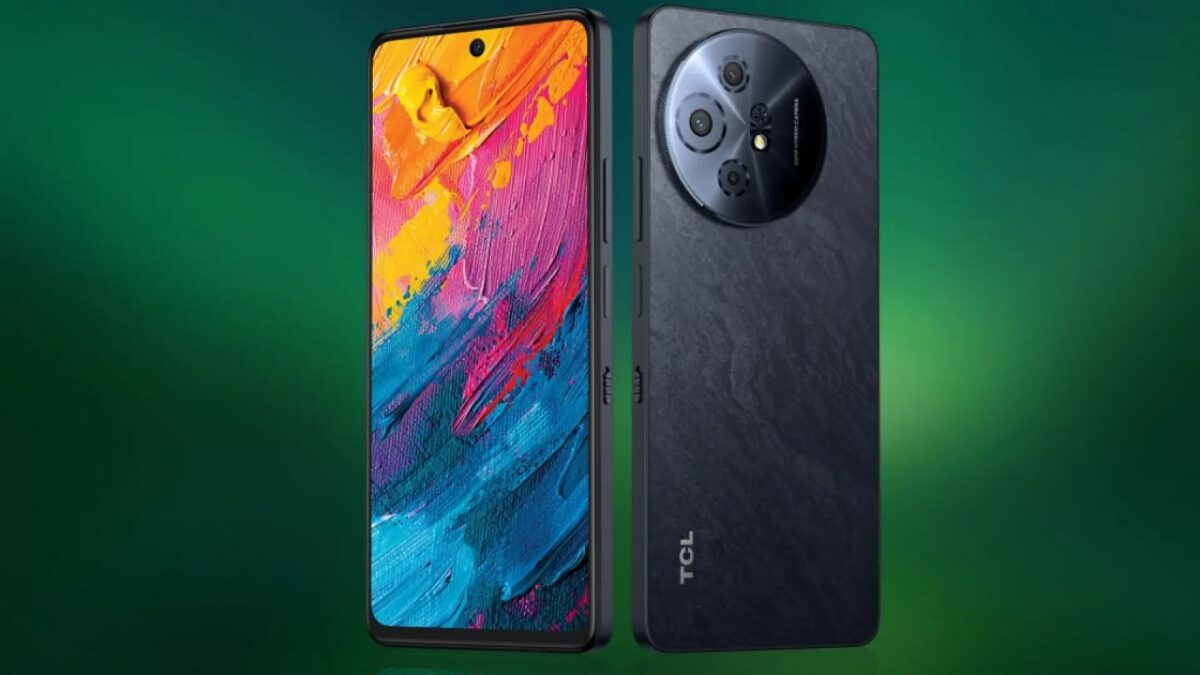
TCL has officially launched NXTPaper 4.0, its latest iteration of eye-friendly display technology that promises to enhance viewing experiences for users.

The new version will arrive alongside the TCL 60 XE NXTPaper 5G in North America later this year, priced starting at $199. A variation, the TCL 60 SE NXTPaper 5G, will make its debut in Europe and the U.K. with a starting price of £180.

This upgraded display technology boasts improved visualization features, allowing users to seamlessly switch between three distinct ink-paper modes. These modes can be accessed using a physical switch, enabling users to toggle between vibrant color displays and e-reader-style monochrome views quickly.

TCL claims it can contribute to a significant 50% increase in battery life when using the highest “Max Ink” mode

This flexibility seeks to cater to an audience that often spends extensive periods in front of screens, addressing concerns about eye strain and visual fatigue.

One of the core advancements in NXTPaper 4.0 is its refined ability to filter blue light and diminish glare from ambient light sources, which is crucial for prolonged usage.

This enhancement isn’t just about comfort; TCL claims it can contribute to a significant 50% increase in battery life when using the highest “Max Ink” mode. Users can enjoy the benefits of color visibility without sacrificing ocular wellness.

Moreover, the anti-glare features have been notably improved, reducing reflection and minimizing fingerprint smudges, which have historically plagued smartphone screens.

At events like MWC 2025, attendees noted that the display’s performance held up well against glare, making it an appealing option for users in bright environments.

As smartphone technology evolves, TCL’s continued investment in NXTPaper is notable for both its affordability and thoughtful innovation. While NXTPaper may not deliver the vibrant colors associated with standard OLED displays, the trade-off in battery efficiency and eye comfort is a compelling reason for many consumers to consider these devices.

Security Researchers Warn of Vulnerabilities in Millions of IoT Devices

Security researchers have identified undocumented commands in the Bluetooth firmware of the ESP32 chip, which could potentially be exploited by attackers, highlighting a significant vulnerability in a product used in millions of Internet of Things (IoT) devices.

Miguel Tarascó Acuña and Antonio Vázquez Blanco from Tarlogic Security presented their findings at RootedCON in Madrid, initially referring to the commands as a “backdoor”.

However, they later clarified that the term may not accurately describe the nature of the issue, as the individual commands themselves do not inherently pose a risk.

Can be executed across multiple operating systems, including macOS, Windows, and Linux

The ESP32 chip, manufactured by Espressif, has gained immense popularity, with over a billion units sold globally. Its widespread deployment in IoT devices amplifies the potential impact of the discovered vulnerabilities.

The specific issue has been classified under the identifier CVE-2025-27840, revealing access to 29 hidden Host Controller Interface (HCI) commands, including critical operations such as 0xFC02, which enables memory writing.

This raises concerns that hostile actors could leverage these commands to conduct impersonation attacks and compromise sensitive devices, including mobile phones, computers, smart locks, and medical equipment by circumventing code audit measures.

These undocumented commands can be executed across multiple operating systems, including macOS, Windows, and Linux, presenting numerous vectors for potential attacks. In response to these findings, Tarlogic’s Innovation Department has created BluetoothUSB, a driver designed to facilitate comprehensive security audits of Bluetooth devices, regardless of the operating system or programming language employed.

This development aims to democratize access to essential security analysis tools, offering manufacturers a resource to ensure the safety of their Bluetooth-enabled products.

The details of this discovery, which are currently under further examination, underscore the pressing need for robust security practices in the design and implementation of IoT devices as vulnerabilities continue to proliferate.

Google asks Trump to reverse the order to sell Google Chrome

Google is urging officials from the U.S. Department of Justice, under the Trump administration, to abandon their crusade against the company, a crusade that involved forcing them to sell their Chrome browser. And they claim it is for national security. According to sources close to the discussions, representatives from Alphabet Inc. met with the government last week to advocate for a less aggressive approach while awaiting a court resolution on what a judge has described as an illegal monopoly in online search. The Biden administration, in November, asked Google […]

Google is urging officials from the United States Department of Justice, under the Trump administration, to abandon their crusade against the company, a crusade that involved forcing them to sell their Chrome browser. And they claim it is for national security.

Google Chrome DOWNLOAD

According to sources close to the discussions, representatives of Alphabet Inc. met last week with the government to advocate for a less aggressive approach while awaiting a court ruling on what a judge has described as illegal monopoly in online search.

The Biden administration in November asked Google to sell its Chrome browser and adopt other changes to its business structure, including ending exclusivity payments to companies like Apple.

Google does not want to get rid of its golden goose

Despite Google’s previous opposition to this plan, recent discussions may reflect its current strategy in the case that is progressing under the Trump administration.

Peter Schottenfels, spokesperson for Google, stated that the company is concerned about how the current proposals from the Department of Justice could harm the U.S. economy and national security.

This argument is not new for Google, which has expressed similar concerns in response to antitrust pressure from regulators and lawmakers.

District Judge Amit Mehta, who has been asked to make decisions regarding Google’s future practices in hearings scheduled for next month, will review the latest proposals from both parties.

Among the demands of the Department of Justice is the sale of the Chrome browser and the restriction of investments in artificial intelligence companies, which has raised concerns in the tech sector.

Google Chrome DOWNLOAD

With the recent nomination of Gail Slater to lead the antitrust division of the Department of Justice, key decisions are expected to be made in the coming weeks regarding the direction of the case and the potential implications for Google and the tech landscape in the United States.