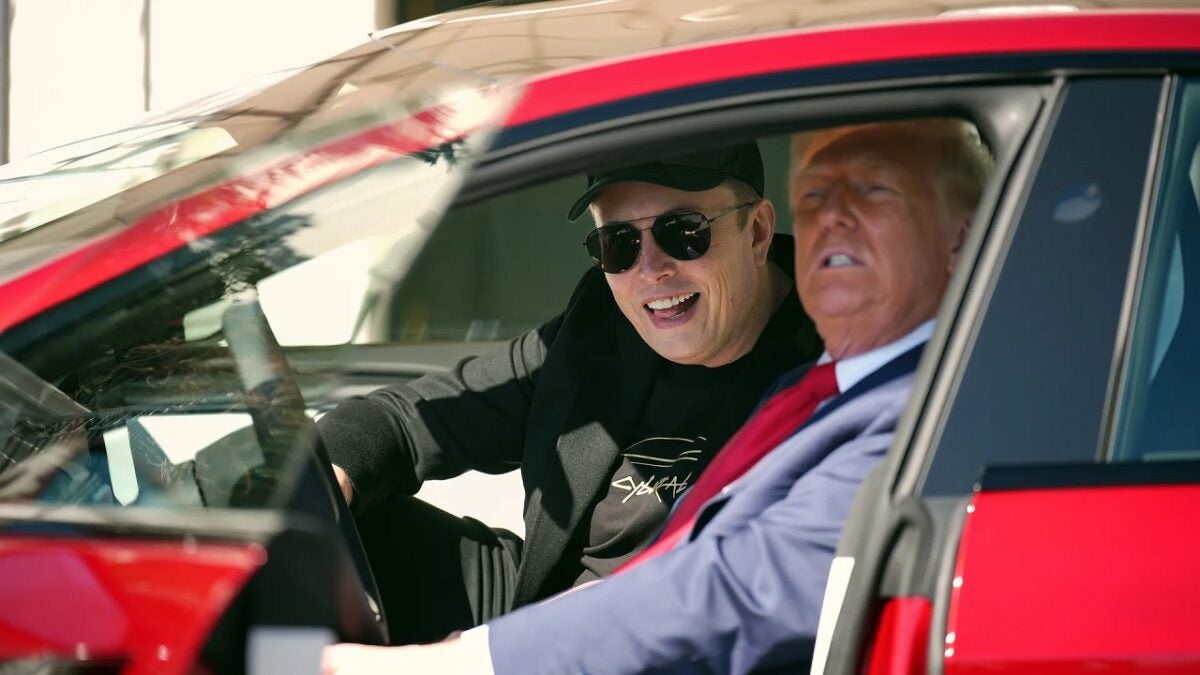
Elon Musk’s recent attempts to attract conservative buyers to Tesla vehicles appear to be facing significant hurdles.
While his plan aims to capitalize on support from right-leaning consumers, the lack of Tesla stores and service centers in many rural and red states undermines this strategy.
States such as Alabama, Arkansas, and North Dakota lack Tesla’s presence, limiting accessibility for potential customers, particularly in regions where conservative populations reside.
15% drop in Tesla’s stock
The company’s image among progressives has been deteriorating sharply, with Musk’s approval ratings plummeting in recent months. This shift has implications for Tesla’s sales, as studies show that Democrats are more inclined to purchase electric vehicles than Republicans.
Following a 15% drop in Tesla’s stock, the situation was exacerbated when President Trump endorsed the brand in a controversial ad featuring Musk. However, early reports suggest that this endorsement had little to no impact on Tesla’s demand, indicating skepticism towards the authenticity of the collaboration.
Legal barriers are also a significant concern. In several states, existing laws restrict Tesla from operating its own stores, forcing the automaker to navigate a network of third-party dealerships. This limitation has created “dead zones” for Tesla in smaller towns and rural areas where traditional automakers like Ford and GM maintain a much stronger presence.
Despite Musk’s efforts to reach out to conservatives, the political affiliations associated with Tesla are not only complicating sales but are potentially alienating the brand from a broader consumer base.
As Tesla’s reputation declines among Democrats and independents, the challenge remains to resurrect its appeal across diverse demographics. If these trends persist, Tesla risks becoming a niche brand tied too closely to political affiliations rather than a leader in the electric vehicle market.