New analysis from Wood Mackenzie highlights that tariffs imposed during the Trump administration are significantly impacting the costs of clean energy projects in the United States, with energy storage projects facing the most severe consequences.
The report, titled “All aboard the tariff coaster: implications for the US power industry,” assesses how new and existing tariffs are driving costs up across the power sector.
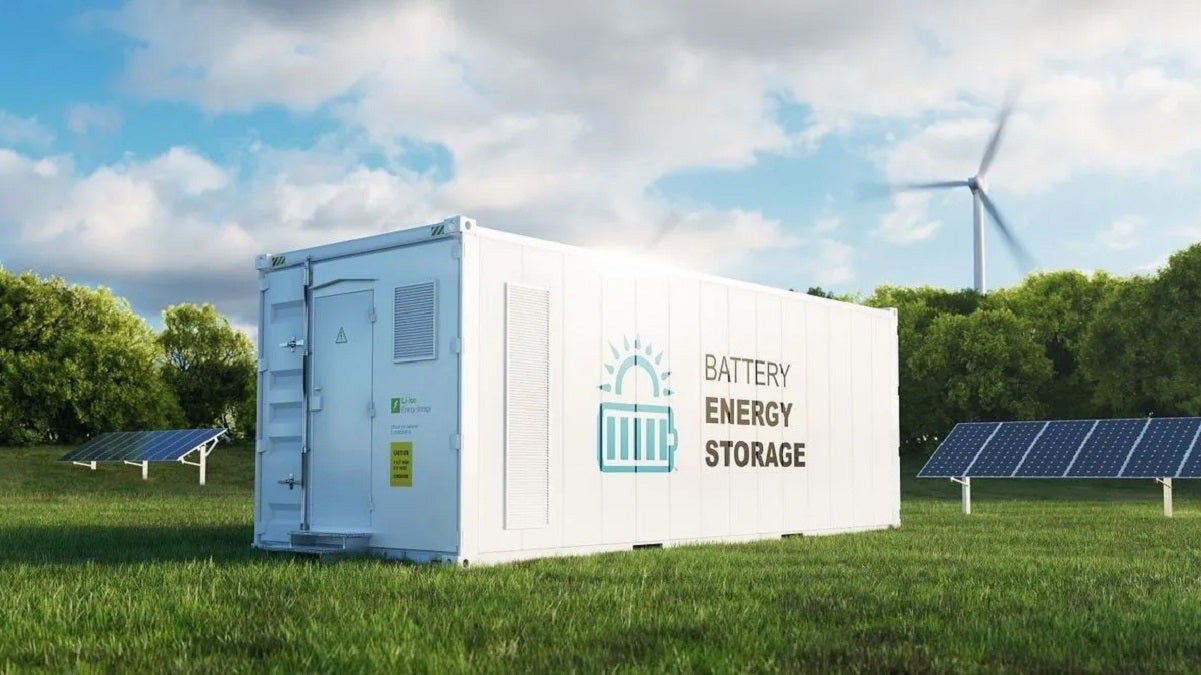
One of the most pressing concerns is that utility-scale energy storage—which heavily relies on imported battery cells from China—could see project costs increase by 12% to more than 50%.
Trump’s Tariffs Cripple Clean Energy Costs in the U.S.
As the domestic manufacturing capacity for battery cells is projected to cover only 6% of demand by 2025, and a mere 40% by 2030, the US remains critically dependent on foreign imports for clean energy solutions.
“In a business with 5-to-10-year planning cycles, not knowing project costs adds massive uncertainty,” noted Chris Seiple, vice chairman of power and renewables at Wood Mackenzie.
The report considers two potential scenarios: one where tariffs stabilize at an effective rate of 10% by 2026, and a more severe “trade war” scenario with rates increasing to 30% by 2030. Either scenario would exacerbate existing cost challenges for clean energy projects.
The implications extend beyond storage, with large-scale solar projects potentially costing 54% more in the US compared to Europe, and an astounding 85% higher than similar projects in China. These elevated costs challenge the competitiveness of renewable energy in America, creating disadvantages compared to other global markets.
As tariffs continue to affect the planning and execution of clean energy projects, the industry should prepare for an uncertain future marked by increasing costs and an uphill battle for investments in renewable energy infrastructure.