
This weekend, the European Union has implemented a regulation that will force manufacturers of numerous electronic devices to include a USB-C port as standard. From Saturday, December 28, small and medium-sized devices sold in EU territory must incorporate this type of connection for charging.

Subscribe to the Softonic newsletter and get the latest in tech, gaming, entertainment and deals right in your inbox.
Subscribe (it's FREE) ►The regulation covers a wide range of devices: mobile phones, tablets, digital cameras, headphones, portable consoles, speakers, e-readers, keyboards, mice, and portable navigation systems, among others. All these devices, as long as they use a cable to recharge and operate with a power of up to 100 watts, must include a USB-C port. Additionally, consumers will have the option not to receive an additional charger when purchasing a new device, a measure aimed at simplifying the market and reducing electronic waste.
According to Euro News, laptop manufacturers will have until April 28, 2026, to comply with this requirement. The measure, approved by the European Parliament and member states in 2022, aims primarily to combat waste generated by chargers and save European households about 250 million euros annually. Anna Cavazzini, Chair of the Committee on the Internal Market and Consumer Protection, stated that these rules will allow “addressing the tons of waste generated by discarded chargers each year.”
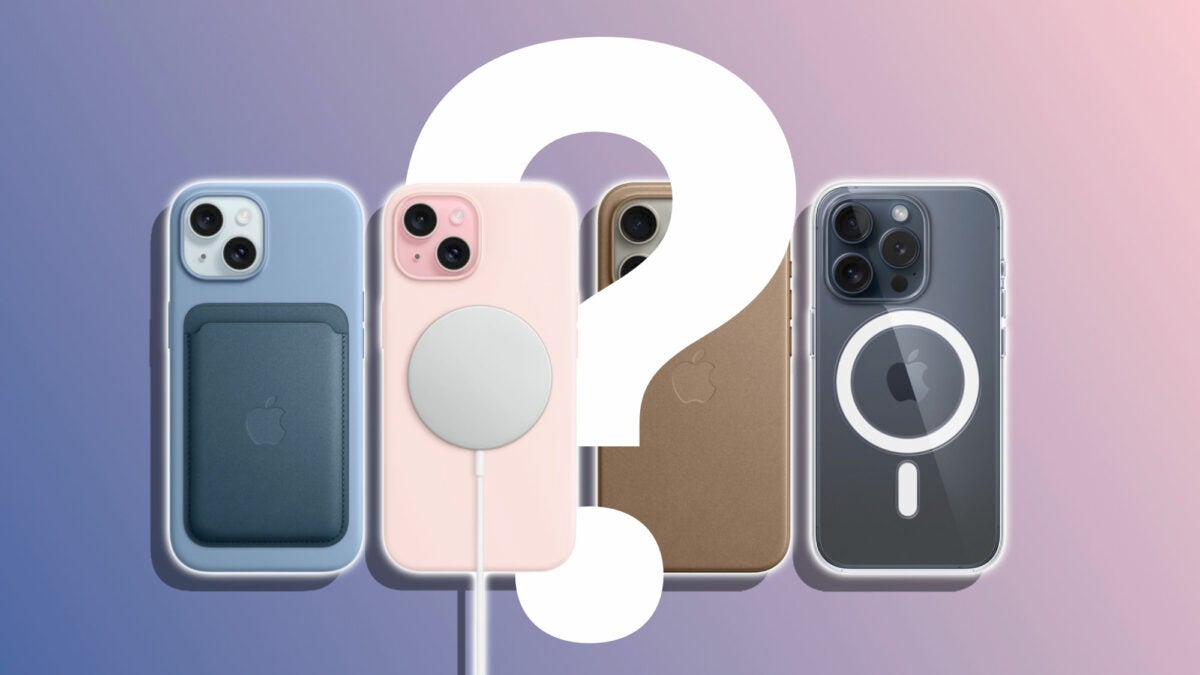
The impact of the measure has been significant for Apple, as its Lightning port will become obsolete in Europe. iPhones sold from December 28, 2024, including older models, must incorporate USB-C. Although the iPhone 15 and 16 already comply with this standard, older models like the iPhone 14 or iPhone SE still used Lightning.
For this reason, Apple withdrew these models from its stores days before the regulation came into effect in most EU countries, such as Spain, France, and Germany, and also in associated markets like Switzerland, according to MacRumors.