Elon Musk Concludes His Role as Special Government Employee

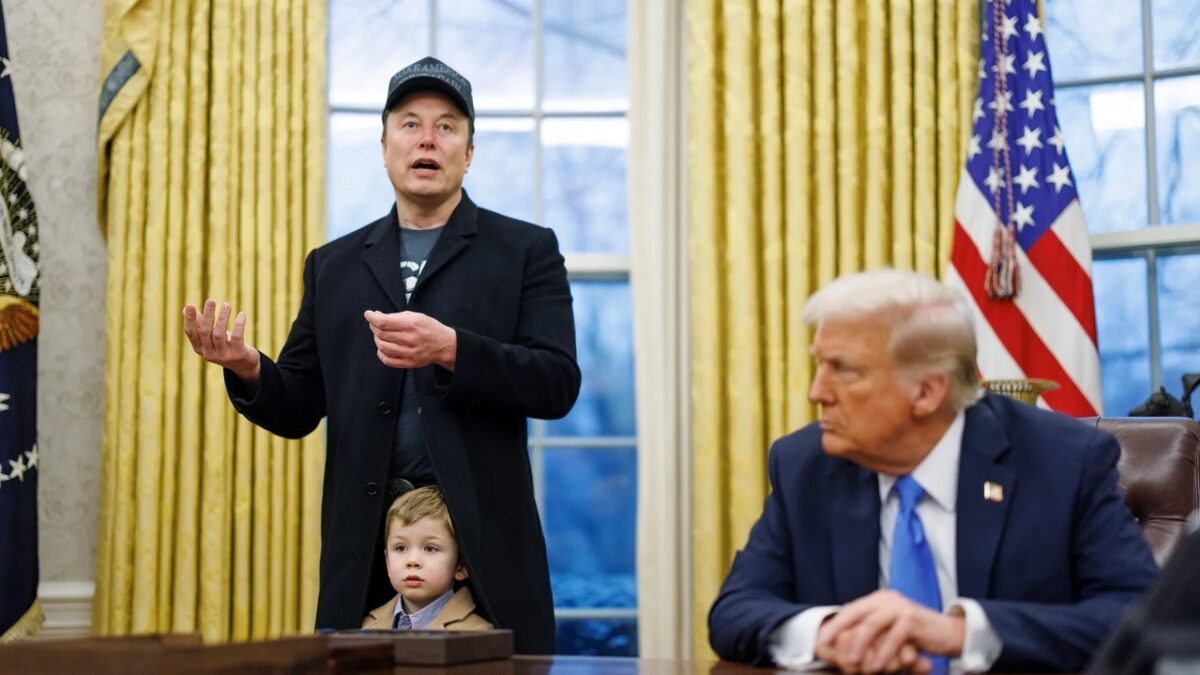
Elon Musk has officially concluded his tenure as a special government employee, a role that has sparked significant interest and speculation since its inception.

His departure marks the end of his time as an official advisor, a position he held under the administration of former President Donald Trump.

In a statement released via social media, Musk expressed his gratitude, stating, “As my scheduled time as a Special Government Employee comes to an end, I would like to thank President @realDonaldTrump for the opportunity to reduce wasteful spending”.

Musk Expresses Gratitude to Trump After Government Tenure Ends

Musk’s involvement in government affairs has often been characterized by his focus on efficiency and fiscal responsibility. His push to identify and diminish unnecessary expenditures aligns with his broader public persona as a disruptor intent on streamlining operations across various industries.

While he no longer holds an official capacity within the government, the implications of his role will likely continue to resonate, especially as he transitions back to his enterprise initiatives.

One particularly intriguing aspect of Musk’s recent comments is his continued reference to the “@DOGE mission,” signaling that his work with the popular cryptocurrency Dogecoin remains at the forefront of his entrepreneurial interests.

This mention indicates that despite stepping away from government roles, Musk’s commitment to the innovative potential of cryptocurrencies like Dogecoin persists, suggesting a continued influence in the evolving landscape of digital currencies.

The end of Musk’s government role raises questions about his future undertakings. As market observers note, his inventive spirit and ability to drive conversation around emerging technologies and financial innovations will likely continue to engage both fans and critics alike. Musk’s next steps remain to be seen, but with his record, he is expected to leave a lasting imprint in both tech and entertainment sectors.

Can you take a powerbank on a plane?

As summer travel picks up, many passengers wonder whether they can carry a powerbank on a plane. These devices, essential for keeping phones and tablets charged on the go, are now common travel companions. However, aviation security regulations set strict limits on what passengers can bring aboard—especially when it comes to electronics and batteries.

Powerbanks must go in hand luggage

According to the European Union Aviation Safety Agency (EASA), powerbanks must always be transported in carry-on luggage. They are strictly prohibited in checked baggage, primarily due to the risk of fire or short circuits in the cargo hold. Additionally, the devices should be individually protected to avoid any chance of short-circuiting.

Mind the quantity and capacity

While there’s no universal standard, most airlines allow passengers to carry up to two powerbanks. The EASA mentions that these batteries must not exceed a certain watt-hour (Wh) rating, though it does not define the exact limit. In practical terms, a typical safe range is around 10,000 mAh per unit.

Other organizations, like the OCU (Organización de Consumidores y Usuarios), offer more clarity. They state that many airlines permit powerbanks under 100Wh (around 27,000 mAh). That said, rules may vary significantly: EasyJet allows powerbanks up to 160Wh, while Volotea limits them to 100Wh maximum.

Check your airline’s rules before flying

Because policies differ across airlines, the safest approach is to check your airline’s official guidelines before you pack. Some carriers may allow higher capacities with prior approval, while others enforce strict limits. Ignoring these rules could mean having to leave your powerbank behind at security control.