Apple launches HomeView but leaves Europe out: why won’t we be able to buy it?

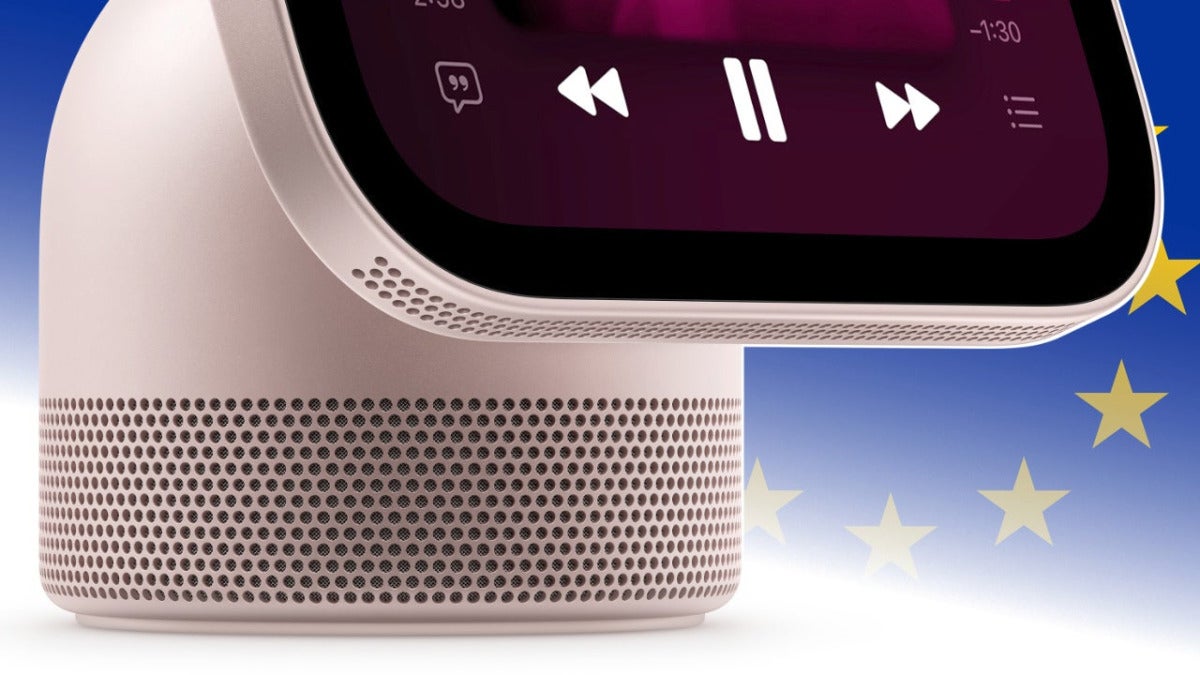
Apple unveiled the HomeView yesterday, its smart display for the home, and opened preorders for the first units. The device is part of a push into home automation that we’ve been seeing grow for weeks, but it arrives with an unpleasant surprise: Europe is left out of the launch. The reason, as you’d expect, lies in European regulation.

Google Home Download

Siri AI sets the European timetable, and the wait is going to be a long one

In the official launch announcement, Apple explains that “the HomeView will not launch in the European Union because Siri AI is not available for iOS” on the continent. Apple’s AI is so central to the device that launching it doesn’t make sense until the full experience is ready.

According to the same press release, “the company continues to work constructively with European authorities to find a way to launch it.” Tim Cook himself has held talks with the European Union, but, as far as we know, even in the best-case scenario the wait will be more than five months.

Apple warned that the new European regulations would halt innovation on the continent even before they were approved. We’re already seeing how OpenAI’s models or Meta’s new AI features arrive in Europe later than usual, and now those delays now affect new product launches.

The HomeView arrives as a central hub for controlling our home, accessing our personal information, and interacting with Siri AI. Siri AI and Apple Intelligence are, therefore, at the core of HomeView, so, for the moment, we’ll have to wait to see developments in the field of AI before thinking about getting the new device.

Everything Apple unveiled at the Welcome Home event, in a few words

Apple has turned the Welcome Home event into quite a statement about its ambitions for the home. After months of following the leaks about HomeView, the company has presented the first pieces of a much more complete home ecosystem centered on Apple Intelligence and Siri AI. Let’s talk about the new HomeView, the refreshed Apple TV 4K, the HomePod mini 2, and the new home accessories in the form of the Apple Home Collection.

HomeView: the center of our smart home

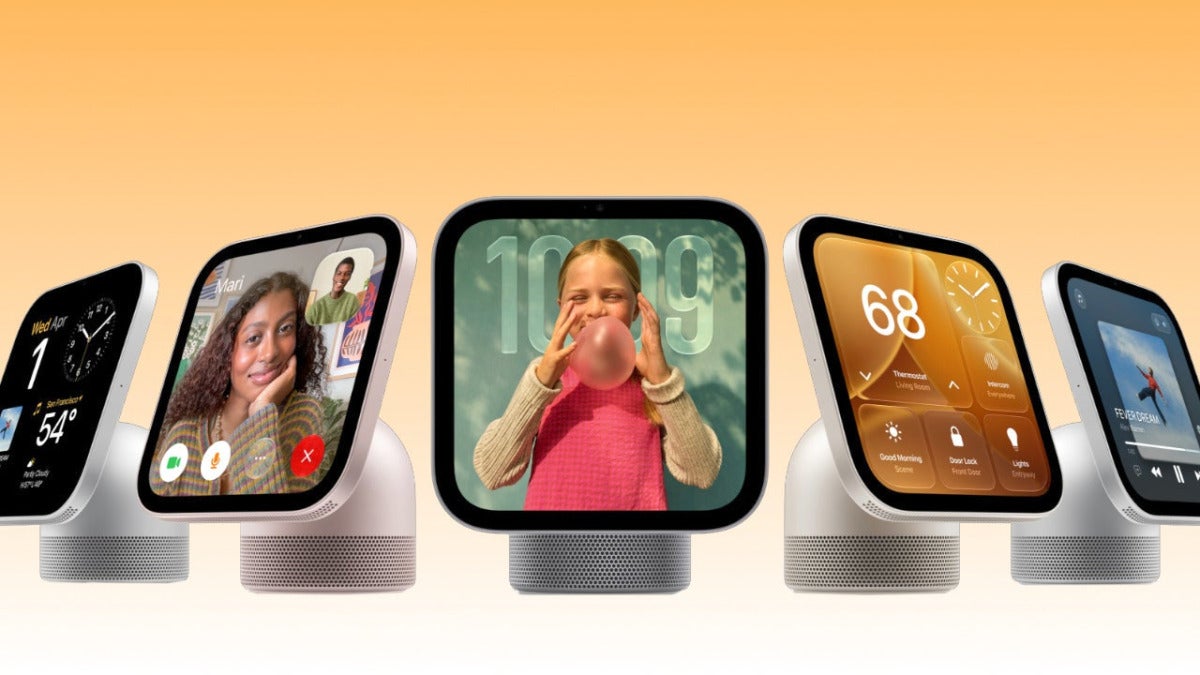
The star of the show is HomeView, a device with a 7-inch Liquid Retina display that recognizes up to six people by their faces and adapts apps, widgets, and content to each one. We can use it for FaceTime, music, recipes, cameras, and home control by tapping the screen or with Siri AI to interact with it. HomeView comes in two variants, one for wall mounting and another for tabletop use, with a base that doubles as a speaker and delivers sound quality comparable to that of a HomePod mini.

Apple TV Download

HomePod mini 2: an interesting refresh

Siri AI also comes to the new HomePod mini 2, something we were already expecting from recent rumors and that marks a major refresh for the company’s smallest smart speaker. The HomePod mini 2 debuts the S10 chip, Sound Glow, and supports a surround-sound setup with four units paired with the new Apple TV 4K.

Apple TV 4K: much more power and Siri AI

The new Apple TV 4K arrives powered by its new A19 chip, three far-field microphones, and full-screen Siri AI. We can search for content, ask questions, and control our home directly with our voice, while the Siri Remote is now much easier to locate thanks to Precision Finding in the Find My app.

Third-party devices: much more complete home automation

Rounding out the lineup is the Apple Home Collection, which brings together cameras, doorbells, locks, and thermostats developed alongside LG and Schneider Electric. It’s all backed by Apple Intelligence’s privacy features: on-device processing, end-to-end encryption, and Private Cloud Compute keep our data protected.

All in all, the event’s name is spot on. We’re looking at Apple’s biggest leap in home automation in years. Welcome home.

YouTube on Android Automotive now gets background play

YouTube has begun rolling out background play on Android Automotive for YouTube Premium subscribers driving cars with Google built-in, and Google says more vehicles should get it over the next few weeks. One important distinction here: this is for Android Automotive, not Android Auto. So you’ll need a car that runs Google’s built-in operating system, not the phone-projected version that shows up through your handset.

YouTube Download

For anyone who actually uses YouTube Premium in the car, this is a pretty handy change. You can start a video while the car is parked, then keep the audio going once you pull away. That makes podcasts, interviews, live streams, and longer YouTube videos a lot easier to listen to without the whole thing falling apart the moment you start driving.

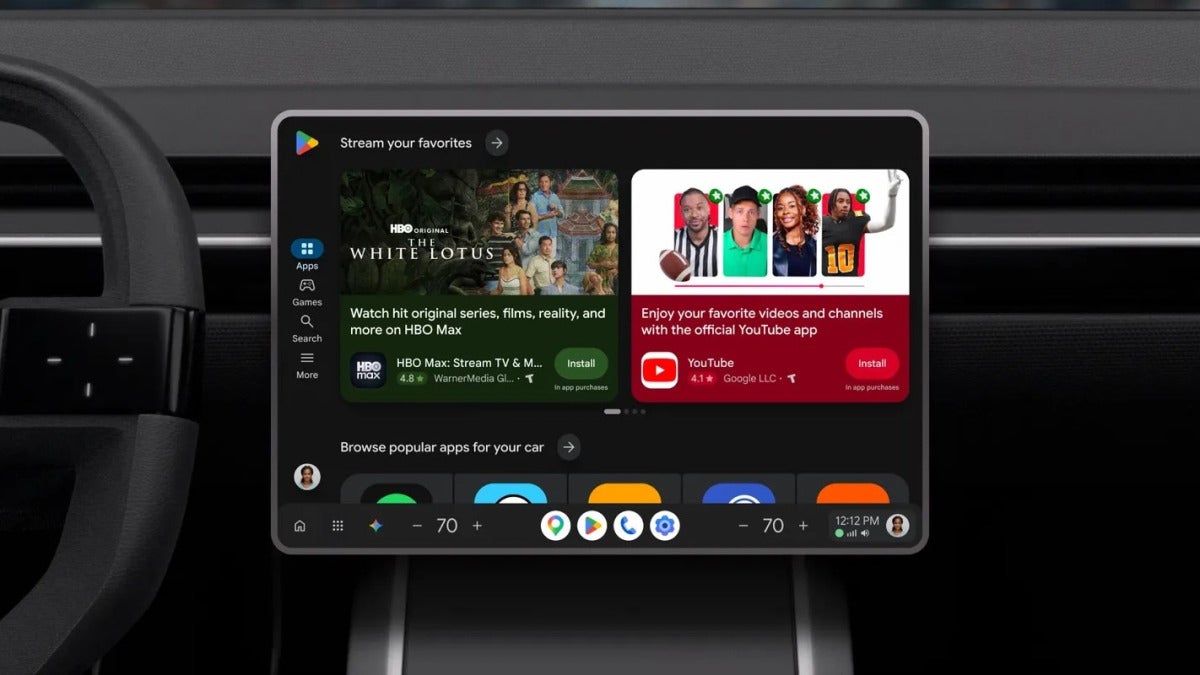
Google had already said a feature like this was on the way in 2025, and it’s landing at the same time as a redesigned Play Store. According to Google, the new version should work better across different screen sizes and dashboard layouts, make apps easier to find, and support a catalog that now has more than 700 apps. That list includes STARZ, Firefox, Ludo King, and JioHotstar.

It also lines up with Google’s bigger push into in-car video. The company has previously said Android Auto should get video apps later on, and the Android Automotive market market, the in-car video market, and the wider app market are all expected to grow fast over the next several years. The rollout to Android Automotive vehicles should continue over the coming weeks, though safety rules and market-by-market availability are still going to shape where this shows up first.

Spotify Download