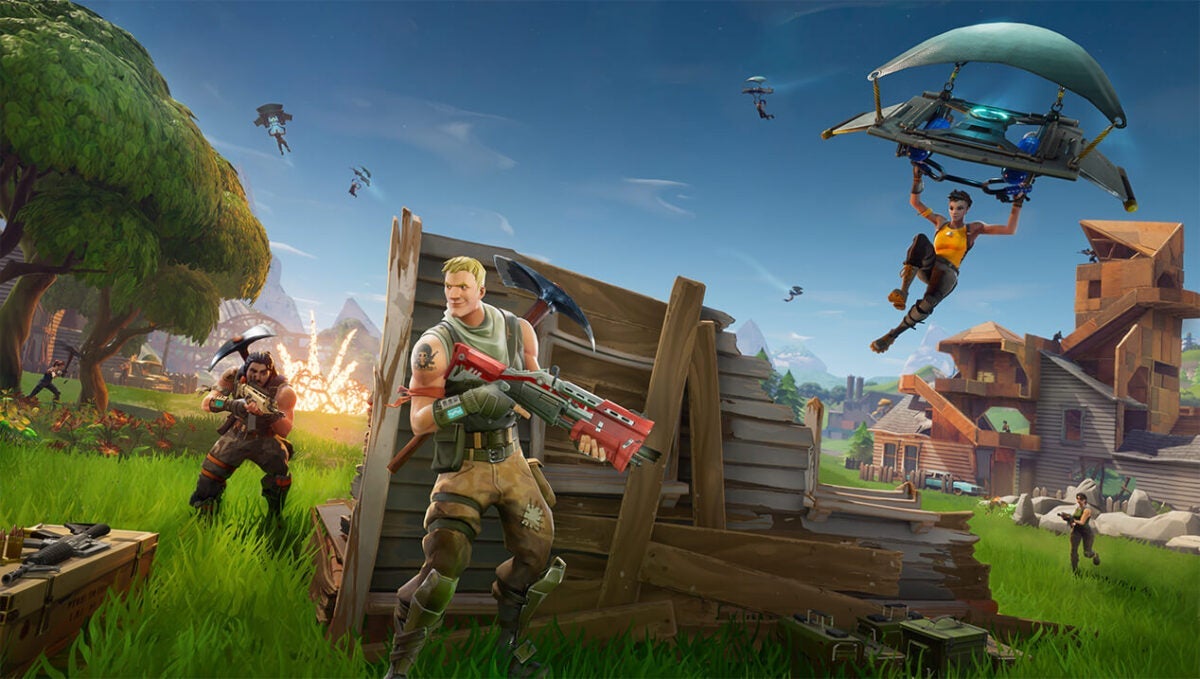
Since its launch less than ten years ago, Fortnite has transformed the video game landscape, setting a new standard in the free-to-play business model. Epic Games has managed not only to maintain the interest of its player community but also to inspire other companies to adopt its approach of constant updates, iconic collaborations, and large events. However, this success has positioned Fortnite as the main obstacle for new releases in the industry, affecting both sales and user playtime.
According to Mat Piscatella, executive director of Circana, who shared his observations in a recent interview, a concerning 30% of gamers in the United States have no plans to buy any video games this year. This means that most fans are limited to acquiring one or two major titles a year, leaving ample room for free games like Fortnite and Warzone to dominate playtime and public attention.
Fortnite is not just a problem for other games as a service
Companies like Ubisoft and Sony are in a race to create their own games as a service that can emulate the phenomenon of Fortnite, despite the tough competition that this title presents. However, the highly anticipated release of Grand Theft Auto VI in the fall of 2025 could represent a shift in the balance of power within the video game industry, although the actual impact of this new release remains uncertain.
With a legacy already established, Fortnite continues to set the standard for how video games are designed and monetized today. Brands have begun to recognize its potential through collaborations, a model that has become an essential part of the game. As the landscape evolves, the expectation is that developers will continue to seek ways to compete in an increasingly saturated market where they must face the titan of Epic Games.