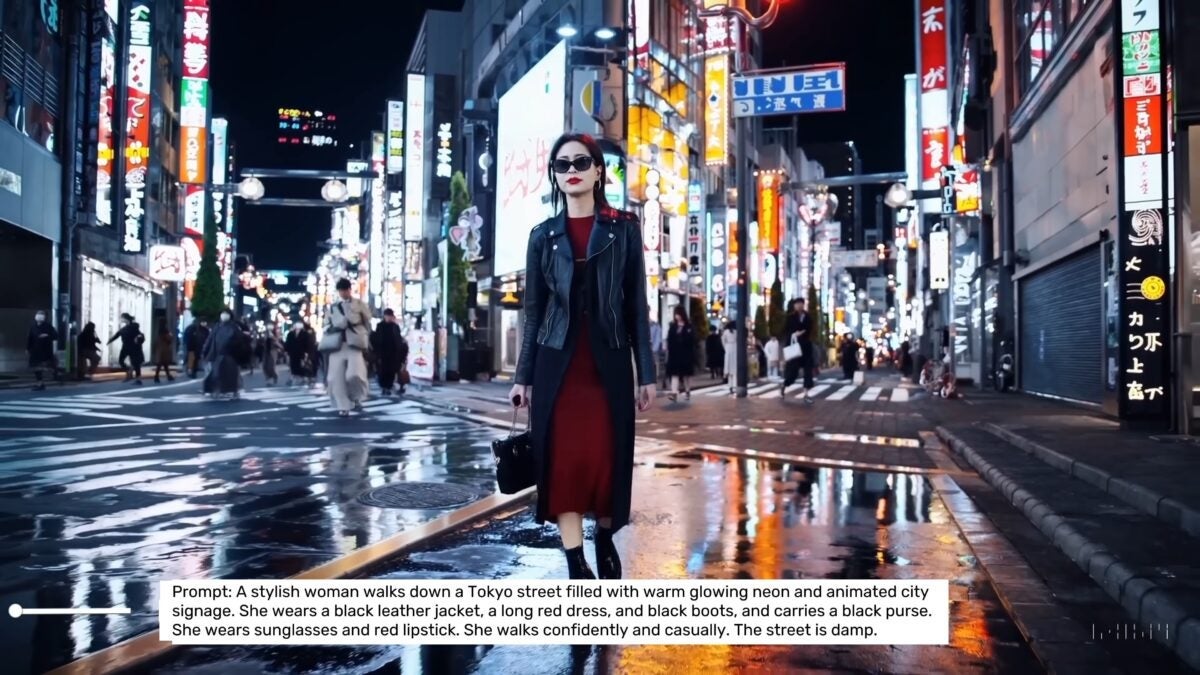
A group of artists has leaked access to Sora, the video generator from OpenAI, in a protest against what they consider “duplicity and image laundering” by the company. On Tuesday, the group published a project on the Hugging Face platform linked to the Sora API, which is not yet publicly available. Using early access credentials, the group created a system that allowed generating 10-second videos in 1080p from text descriptions. According to the artists, OpenAI temporarily disabled Sora for all testers after three hours.
The group, self-named “Sora PR Puppets” (“Sora public relations puppets”), accuses OpenAI of pressuring testers and creatives to give a positive image of Sora without adequately compensating them, and claims that participants agree to work without remuneration in exchange for early access to the program.
“Hundreds of artists provide free work to a company valued at 150 billion dollars,” they wrote on Hugging Face. According to them, OpenAI strictly controls access to the works generated with Sora and selects only a few artists to exhibit them publicly.
Despite their criticism, the group is not against the use of AI in the arts, but rejects the way OpenAI manages the program. “We hope that OpenAI will be more open, artist-friendly, and support the arts beyond publicity stunts,” they stated. Meanwhile, an OpenAI spokesperson noted that Sora is still in the “research preview” phase and emphasized that artists participate voluntarily, without any obligation to provide feedback or use the tool.
The development of Sora has not been without technical issues. The initial model took more than 10 minutes to generate a one-minute clip and was not entirely consistent with the generated content. Although leaks point to a faster “turbo” version, OpenAI continues to work on its improvement to enhance quality and safety before its public release.
