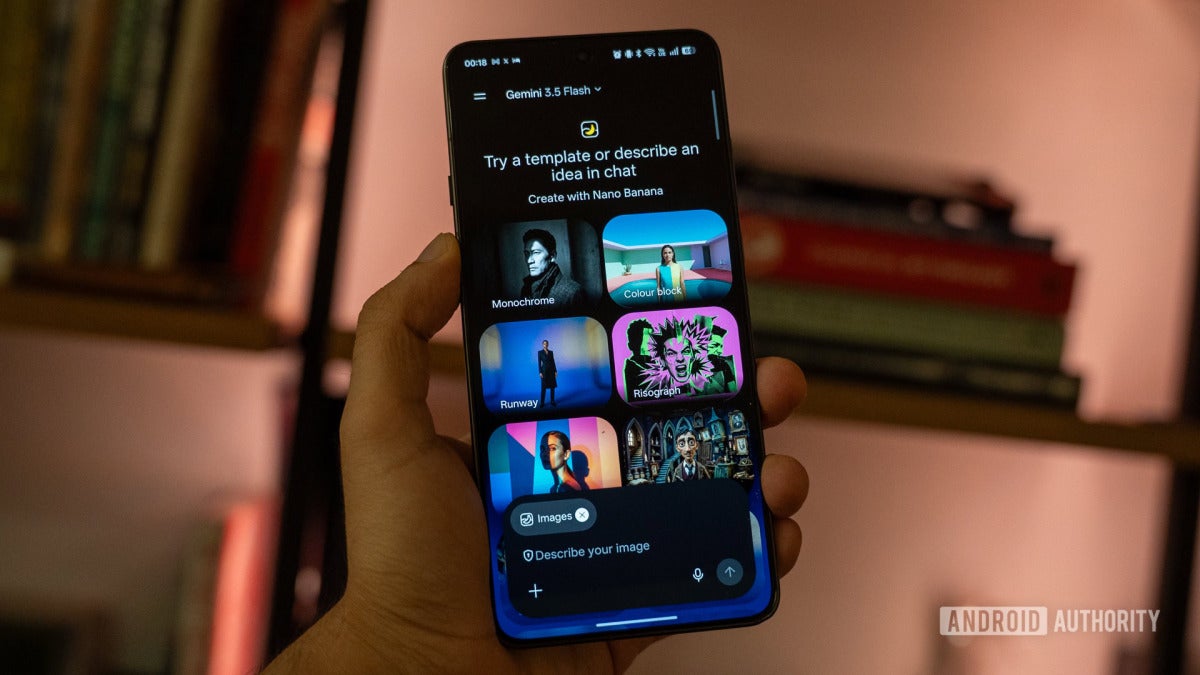
Google’s Android and Apple’s iOS may be heading for their biggest shake-up in years, right as smartphones move into a new phase. The idea is pretty simple: phones are being pushed toward an assistant-led experience that leans less on standalone apps. Rather than sending people bouncing from one app to another, the next wave of mobile operating systems will have to figure out what someone wants, handle jobs like finding a restaurant near a theater and messaging the whole group, pull in maps, bookings, chats, calendars, and payments, then hand back the result with a lot less tapping around.

If that’s where things are going, home screens packed with icons may start to look old. Google says Gemini is being worked deeper into Android. Apple says Apple Intelligence is being added across Mail, Messages, and Photos. Huawei says HarmonyOS 7 is going further still with what it calls an “agent-friendly” approach and an “intent-as-service” model. Analysts also expect phones that can run generative AI to make up 45% of shipments in 2026 and 52% in 2027.
A big part of this comes down to NPUs, or neural processing units. They’re what let AI features run faster, keep more of the work on the device, and sometimes work without an internet connection at all. Apple’s on-device model could end up being a real advantage for privacy, though it may also hit limits tied to hardware and the pace of the rollout. Google’s heavier cloud approach can offer more power, but it comes with harder questions about what happens to user data and how that data is handled.
If you already use autocorrect, call screening, or proactive alerts, this shift is already close enough to matter. Samsung says about 80% of Galaxy users have tried those features, more than two-thirds use them regularly, and 800 million Galaxy devices are expected to support them by 2026. Depending on the phone you have, you can already see an early version of where this is headed through current updates on Android, iOS, HarmonyOS, and Samsung Galaxy devices.
