6 social media apps that are better than Facebook

Sick of Facebook? Try these 6 great alternatives.

Need a break from Facebook?

With all of the drama surrounding the social media giant, it’s understandable that you might be thinking of looking elsewhere for your social fix.

Between the birthday reminders and the event invites, it certainly pays to keep the platform around as a backup.

However, if you want to foster more meaningful connections and steer clear of fake news, there are some alternatives out there that might satisfy your social fix.

Let’s have a look.

6 social media apps that are better than Facebook

Vero
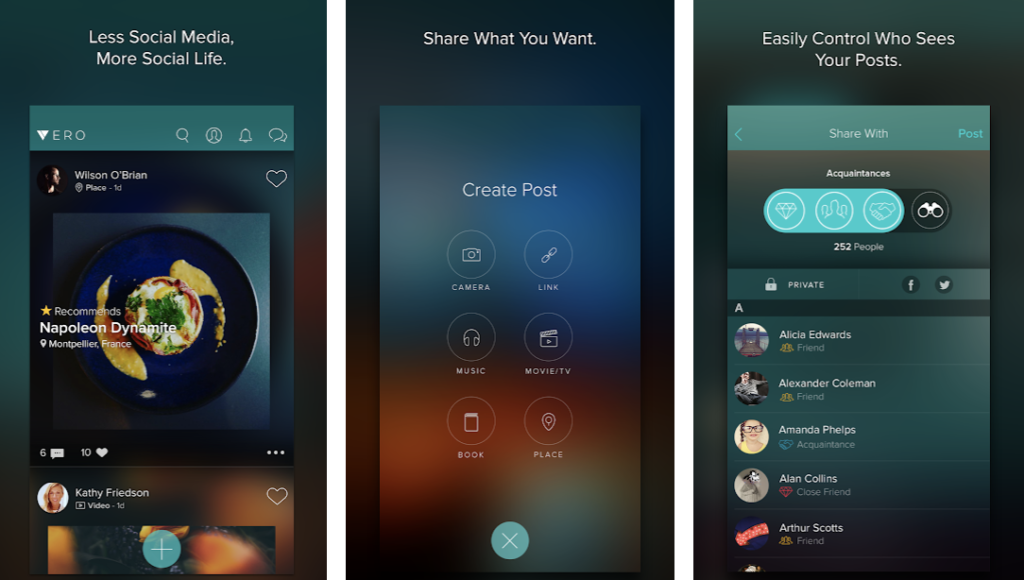
Vero App

Vero is a photo sharing app with big dreams—to go up against Instagram. It’s an up and comer, but it looks like it might have some potential to be a mainstay.

The setup is a lot like Instagram. You’ll mostly use it to post pictures. Vero’s appeal lies primarily in the fact that the platform does not feature ads. The app is free at the moment, but they may start charging a small monthly subscription.

Amino
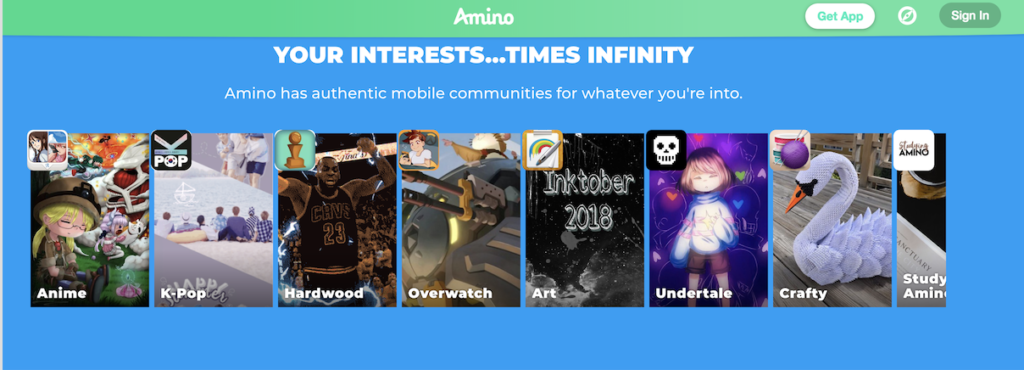
Amino Apps

Amino is home to all kinds of niche topics. If you’re a Poke-fan, into Kpop, video games, or anime, Amino stands to become your new social hangout.

Amino is organized in a way that will feel familiar to Reddit users and it doesn’t require that you use your real name. That commitment to anonymity is something special in an era where even OKCupid wants users to use their given names.

Amino, of course, isn’t about getting the most followers and presenting a curated persona. Instead, the anonymity and focus on very specific interests make this a great place for users who just want to socialize with like-minded folks from around the world.

Amino Communities for Chat and Forums Download Free ►
7

NextDoor

Nextdoor Board Example

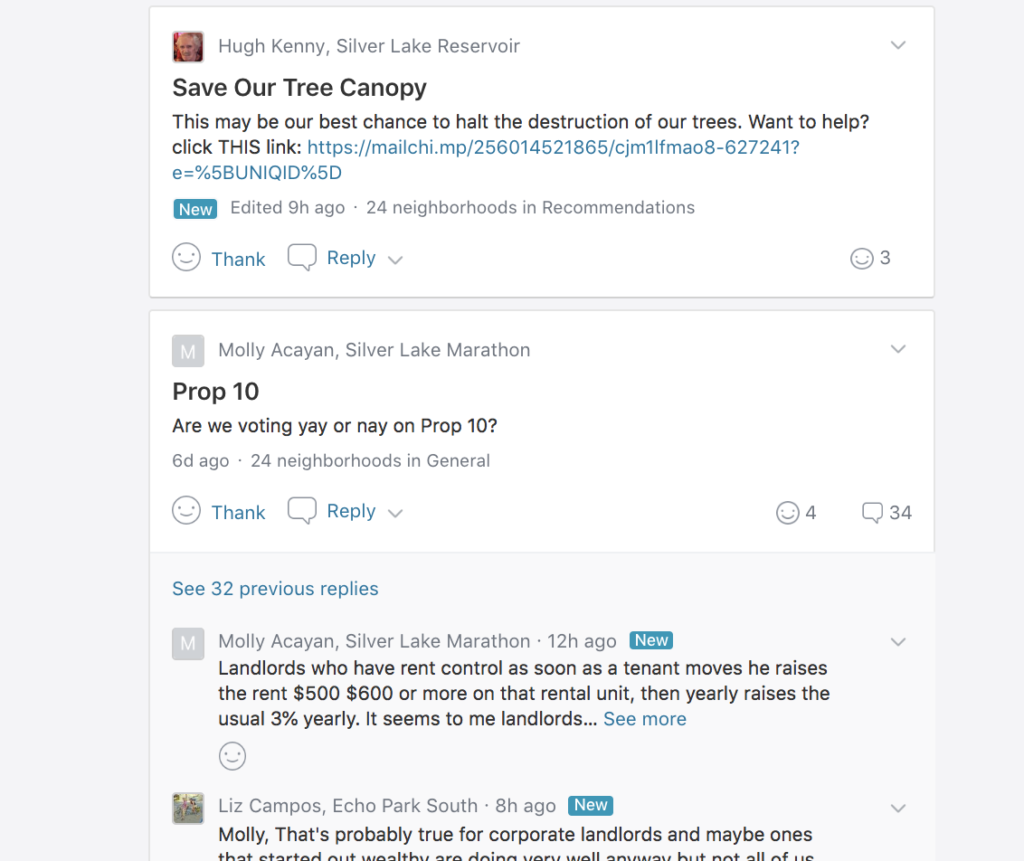
Okay, NextDoor isn’t the coolest app with the sleekest interface, but it works to connect you with people that live in your immediate vicinity.

It’s not perfect—in certain communities, the app can function as a way to highlight “suspicious people” lurking around the neighborhood, which of course can slip into problematic territory rather fast.

That said, in other cases, the app is a great way to find items for sale, recommend contractors, learn about community issues and events, and locate lost pets.

7

Mastodon Social

Mastodon Preview

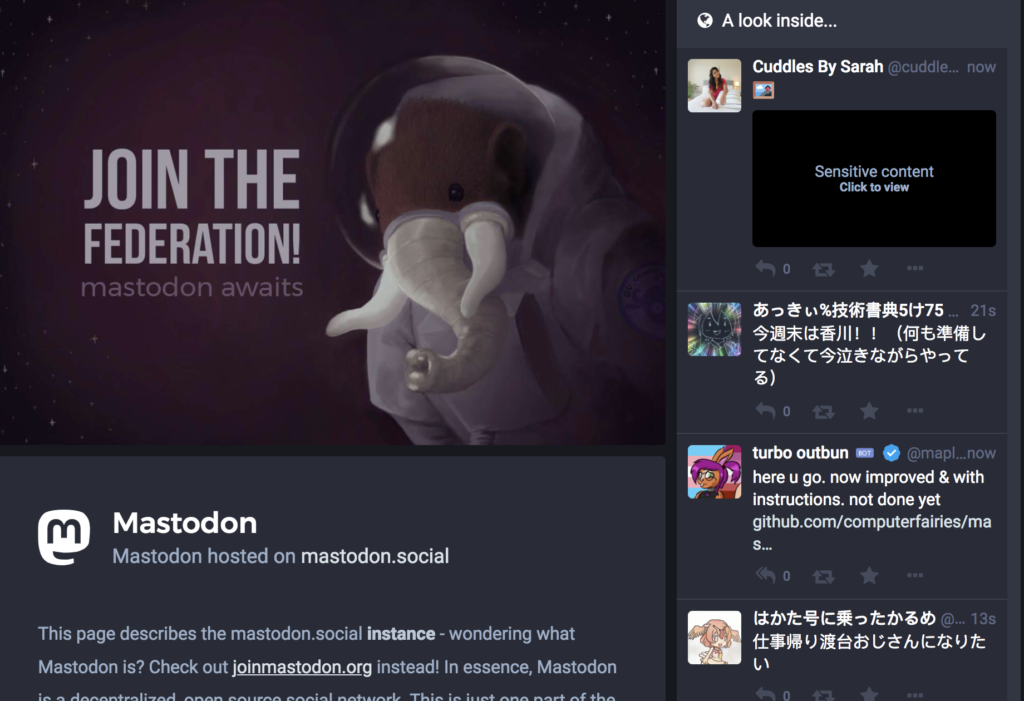
Mastodon Social is an app that works like an open-sourced Twitter. It’s a distributed platform that aims to fill a void for Twitter users who miss the days of a chronological timeline.

Instead of Tweets, you’ll compose “Toots” and you’ll boost posts instead of retweeting them. Be warned, this app is a haven for those who feel constrained by Twitter’s anti-harassment policies. Still, you can hide NSFW content, and filter out spoilers and trigger warnings, so it’s not necessarily a barrage of hate speech.

The benefit of the platform is, it’s controlled by the community. There are no ads to sift through, so branded content isn’t an issue. And, despite the commitment to unfiltered speech, the platform proudly declares itself a Nazi-free zone, banning xenophobic, sexist, and content illegal in France and Germany.

Ello
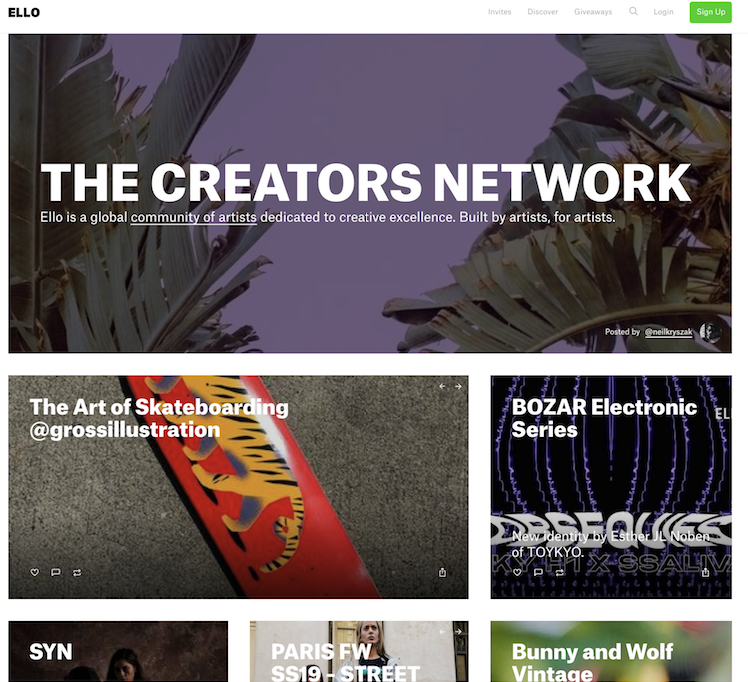
Ello Social for Artists

The so-called creator’s network, Ello looks like a cool skateboard magazine or those old issues of Vice. While the app was initially touted as a Facebook killer when it first came on the scene, that doesn’t quite seem to be the case.

Ello is an ad-free social network that offers an alternative to the marketing-heavy Instagram feed or all the junk those random acquaintances post on Facebook.

The app is a real treat to scroll through—and if you’re into design, art, architecture, or photography, it’s definitely worth checking out.

Minds
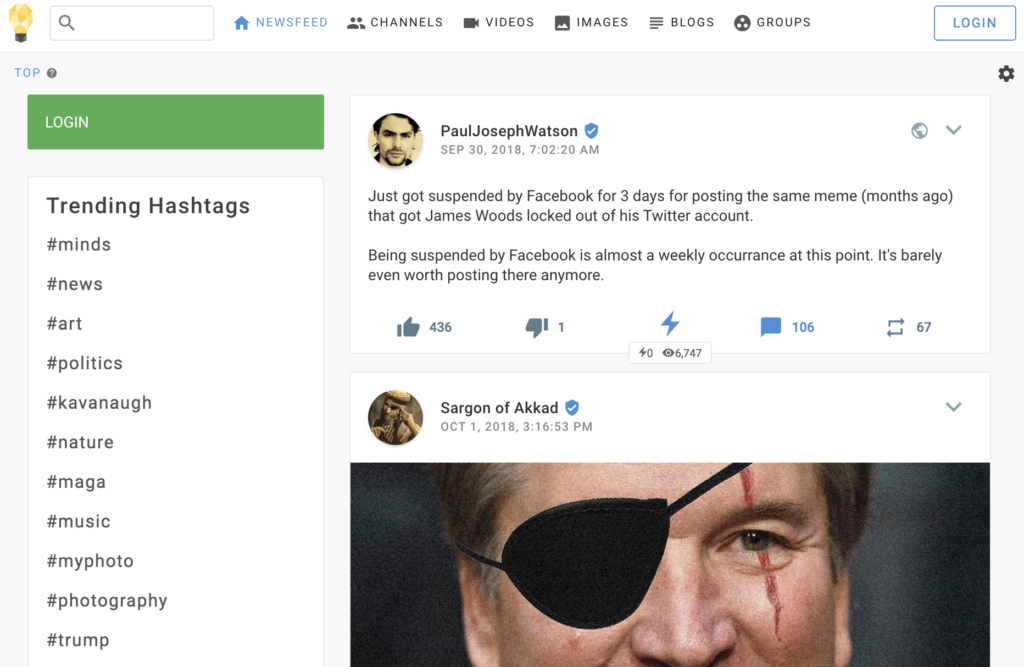
Minds Social

Minds is an open-source, community-owned platform that values privacy. That distinction from Facebook who uses data for who-knows-what is its main source of appeal.

As far as functionality is concerned, Minds combines familiar features from Reddit, Medium, and Facebook itself. You’ll set up a profile, post on timelines, share photos, and send private messages. But, it also comes with a handful of content creation and curation features—users can blog directly on the platform and monetize that content using the site’s cryptocurrency system.

The open-sourced, blockchain network makes this especially appealing to the techy crowd, but privacy features stand to lure in those spooked by Facebook’s recent Cambridge Analytics scandal.

Final Thoughts

Realistically, you’re probably not going to delete Facebook altogether. It’s undeniable that Facebook has scale on its side. Just about everyone is on it, meaning none of these options have a chance to compete.

That said, Facebook can be frustrating. Social media used to be fun—and now, platforms like Instagram and Facebook have these huge commercial elements to them.

The platforms we listed above focus more on users and the magic of connecting with others that share your interests or have something new to pass along.

And—there’s always room for more—so it’s not a matter of choosing between Facebook and a niche platform.


Is influencer marketing dead? Hmm… kind of

Think the Kardashians will save your company? Think again.

Is Influencer Marketing Done

Influencer marketing has been huge since, well, the dawn of social media. Between the Kardashians and their Fit Tea to Fashion Nova and Sugar Bear Hair, #sponcon  from varying degrees of celeb has hit a critical mass.

It’s undeniable that companies have tried to leach off of the successes of big names. But as marketers begin looking at the ROI of influencer campaigns, it’s becoming harder to justify the huge price tags.

Does that mean influencer marketing is on the way out?

Well, not exactly. We’ve declared all kinds of things dead—email, phone calls, etc. And yet, they persist. Here’s a little more about the future of influencer marketing and where it might be heading:

Influencer marketing can be a big risk

As influencer marketing matures, more regulations have hit the space. It’s no longer the free-wheeling, wild west of marketing. So, naturally, some brands are concerned about violating FDA restrictions or falling out of compliance with HIPAA regulations.

One of the most significant issues though is figuring out the right strategy. Often, brands reach out to influencers en masse in hopes that one will agree to represent the brand for the right price. This opens brands to risk in the form of fake followers. Instagram strongly discourages users from buying fake followers, which violate their terms of service.

Brands who fail to do their due diligence risk working with a fraudulent influencer, which can affect the brand reputation.

And then there’s the relevancy issue. We place a high premium on authenticity, and when brands fail to choose an influencer that represents their values and demographics, they stand to lose money.

Some big flops and the iron fist of the FTC

In 2017, the FTC introduced new regulations to improve disclosures. Thus, making it clear to consumers which posts were promotional. The change made news last year when the organization revealed that they sent 90 letters to influencers and brands, outlining the new requirements for sponsored posts.

Still, influencers mentioned that the changes made it more difficult to drum up engagement among followers with the now-required #ad or #sp. And, yeah… it makes sense that labeled ads aren’t as appealing to consumers. And, perhaps that’s why brands are looking at other approaches to gathering followers.

And then there are the flops. Most notably, the Kendall Jenner and Pepsi campaign left a bad taste in viewers’ mouths. Need a refresher?

Or, remember the Fyre Festival’s tent city for the rich — a PR disaster that Kendall and the Hadids couldn’t even save.

The ROI Factor is Huge

Rather than gamble with a big name charging thousands for a single post, marketers are adopting new influencer strategies. Micro influencers or influencers with a smaller, more niche base provide a more affordable, and potentially more effective solution. Studies have found that these influencers give a better ROI.

See, as follower counts rise, engagement decreases. So, brands do well when they hit that sweet spot: enough followers to provide a broader reach, but small enough that the influencer responds to fans.

This example from Sperry is one of several posts that leveraged a network of 100+ micro influencers. They chose this group by looking into which users were already fans of the brand and invited them to develop visual content for the brand’s account.

Employees, too, are seen as an effective alternative. They bridge the gap between being a “regular person” and having insider knowledge of a product/service.

As such, marketers are trying their luck with user-generated content and employee ambassadors. BlendTec’s “Will It Blend?” campaign is one such example. The brand created a series of short videos that test the power of the blender.

What’s next?

It’ll be interesting to see what influence 2.0 has in store—both for consumers and marketers. As social media matures, more regulations come into play, and users become increasingly aware of the thinly-veiled celebrity endorsements.

Social remains a personal platform, despite all of the branded content. As such, whether brands will start to abandon big influencer marketing campaigns, or lean into more sophisticated models remains to be seen.

A closer look at Amazon’s Alexa microwave

Do we really need to talk to our microwaves?

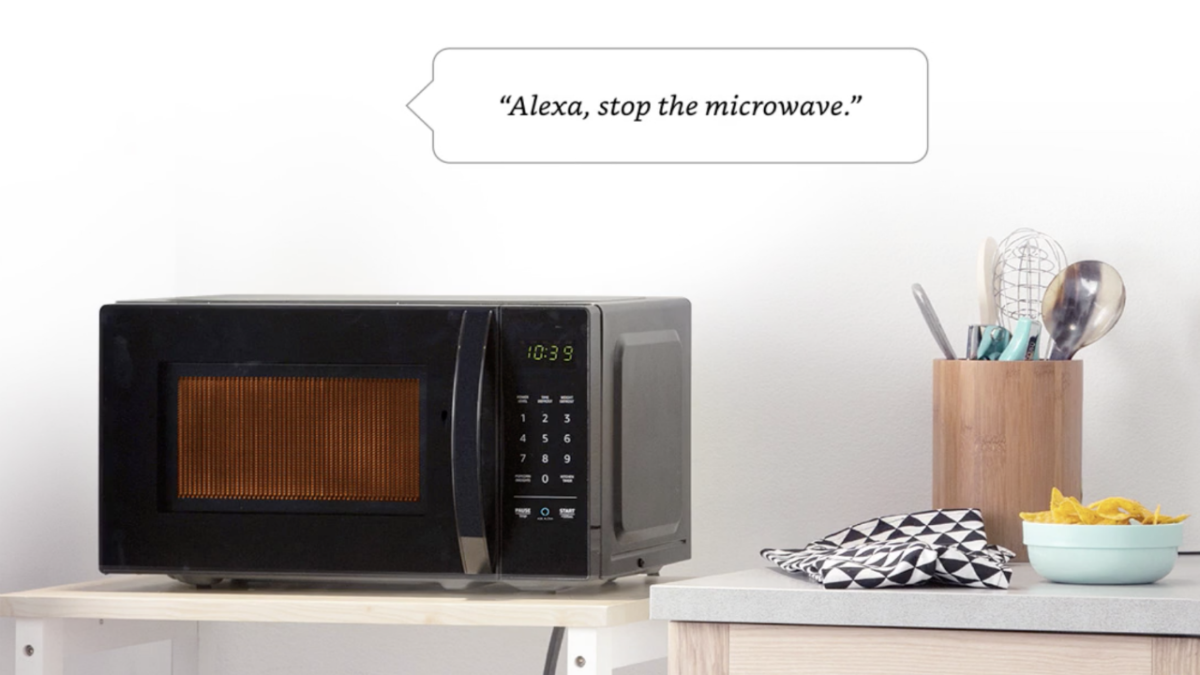
Amazon Basics Alexa Microwave

As you may have heard—Amazon is now in the microwave biz.

Announced alongside a whole slew of new Amazon hardware products, the microwave is the company’s first applianceone that seeks to make the virtual assistant an even bigger part of our daily lives.

It’s been a week since Amazon’s Alexa event and the news of an affordable, voice-activated microwave sparked groans, along with the promise of an endless supply of popcorn.

Where Siri, Google, and Microsoft have long dominated our digital worlds, Amazon is clearly angling for a prominent place in our physical lives.

Aside from Amazon’s obvious bid to get into our kitchens, what’s the deal with this device?

So, How Does it Work?

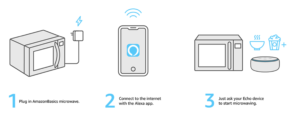
The Alexa Connect kit powers the device—a Bluetooth connected Wi-Fi module that brings smart technology to “dumb” home essentials. The kit communicates with Echo devices.

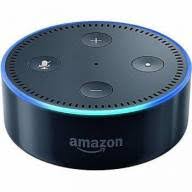
As such, you can’t ask Alexa to play your favorite cooking playlist through the microwave. Instead, it wirelessly connects to another Alexa device in the kitchen.

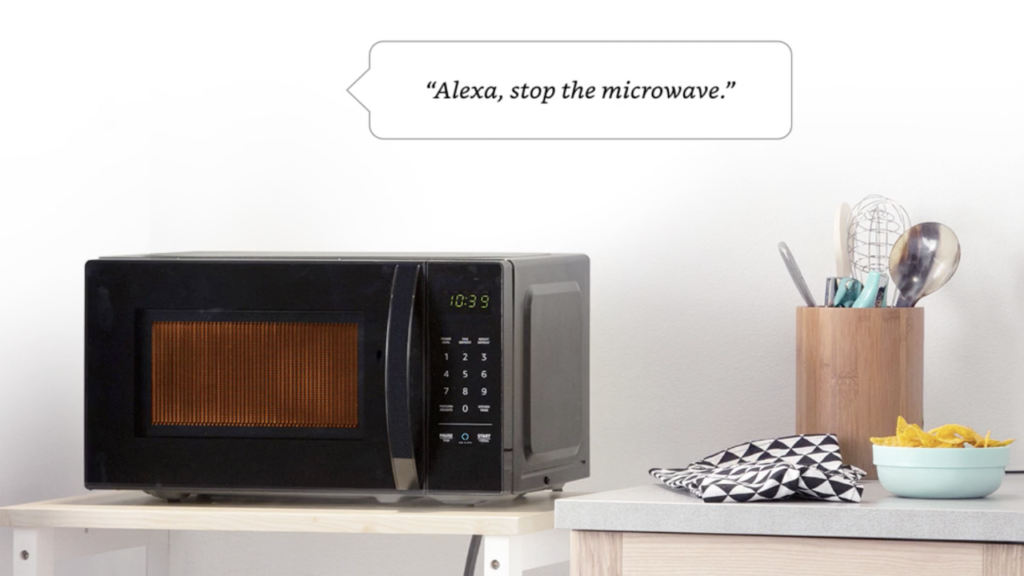
In case you were wondering, here’s an illustration that gives you the gist of how this thing works:

You can deliver commands like, “Alexa, one potato” or “Alexa frozen vegetables” and she’ll automatically cook your food for the required time—no need to fret over cook times.

The microwave comes with “dozens of quick-cook voice presets,” meaning the buttons that say pizza, potato, or popcorn are voice activated.

Integrates with Dash — Restock Your Snack Food Supply

One of the highlights of the Alexa event was the Dash demo. Equipped with Dash replenishment, you’ll soon be able to restock your popcorn supply through your microwave.

That said, you’d better love popcorn, because there doesn’t appear to be a dash app for ordering more Hot Pockets or a big bag of Russet potatoes.

Why?

While there are other Alexa-enabled microwaves on the market, GE, Samsung, LG, and Whirpool all make higher end smart microwaves —the benefit of the Amazon model is, it offers better Alexa integration.

As we mentioned above, Amazon has announced 13 new devices that expand Alexa’s reach both in and outside of the home. Amazon Auto—an in-car Alexa or the Alexa-powered wall clock are a couple of examples of what’s on the way.

These pieces of hardware seem silly or unnecessary to many of us, but Amazon’s goal is two-fold. One, these devices give the company more access to our data. Two, the microwave is something of a prototype you can buy—it’s a way to demonstrate how Alexa and Amazon work in the kitchen, the car, and wherever else you hang out.

When you start chatting up your microwave, Amazon begins to learn more about your eating habits, which may be worth a lot more to the company than the 60 bucks you paid for the device.

Embedding Alexa in more locations gives Amazon an even bigger pool of data to draw from. It also presents more opportunities to get users to sign up for Prime.

See, Amazon if can present multiple touchpoints—from your local Whole Foods to the place you heat up your organic meals, it becomes more challenging for users to opt out of the subscription service.

Is the Microwave Any Good?

At $60, there’s no hope that the device can compete with higher-end—or even mid-market microwaves.

At that price point, the Amazon microwave severely undercuts the competition—which means we’re sacrificing fast cooking times and better features for the novelty of asking Alexa to heat up a potato.

That said, the product rollout was reportedly less about the technology of the device and more about getting users to start considering the future of using Alexa as your virtual sous chef.

Ultimately, the product functions as a way to show off the Alexa Connect Kit, and they’ve chosen to let consumers purchase the demo.

Whether the device is actually useful remains to be seen. But, as Amazon rolls out are connected devices that keep tabs on your preferences and conversations, Amazon’s press events may be required to spend more time addressing privacy concerns.