Microsoft updates Windows 11 Search in testing: cleaner design, local-first results

Microsoft is testing a refreshed version of Windows 11 Search for Insiders in the Experimental channel. The update cleans up the design and shifts the experience back toward local-first results.

Everything Download

The old Recommended feed is gone. So are trending searches, image cards, and a lot of the promotional clutter. Open Search now and the view is much simpler, with recent searches taking up most of the space.

Start typing and your own apps, files, folders, and Settings show up before web results. Microsoft also says Search is better at handling typos, partial words, and even very short queries, including searches with just two characters.

Results now come with more context too: file type, modification date, previews, metadata, and clearer Open actions. Microsoft says the same overhaul should also help with reliability, cutting down on crashes, glitches, and slow load times.

If you mostly use Windows Search to launch apps or find a file quickly, this update looks useful. Web answers have been pushed lower, and you can now turn off Web Searches and Microsoft Store suggestions separately under Settings > Privacy & Security > Show Suggested Search Results.

You can try it now on Windows 11 through the Insider Experimental channel. There’s still no public release date, though, and the wider impact for enterprises, developers, and international users is still hard to pin down.
Sony DAT: the failed cassette successor that powered 1990s backups

Sony launched Digital Audio Tape, or DAT, in 1987. It was supposed to be the digital heir to the compact cassette, offering CD-quality recording in a small, portable shell that looked like it might change the way people recorded music.

It sounded like the future on paper, but consumers never really embraced it. DAT machines were expensive, and record labels pushed copy controls like the Serial Copy Management System (SCMS). Professional audio went a different way. Studios and field recordists adopted DAT for its clarity and portability, even with the fragile helical-scan mechanism and the fact that tapes recorded on one machine didn’t always play back cleanly on another.

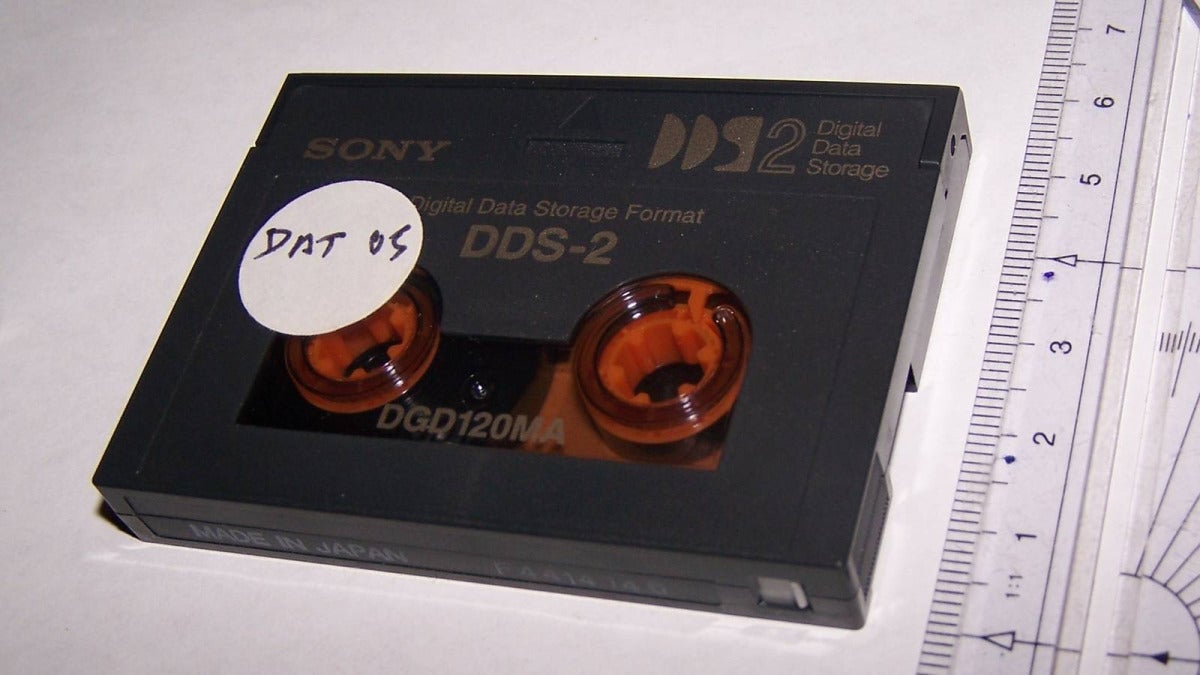
DAT ended up mattering much more in another role, when the same tape technology was turned into Digital Data Storage (DDS). That gave IT departments a compact backup format that started at roughly 2GB uncompressed and grew to 20GB by DDS-4 at the end of the 1990s.

The cartridges were small, easy to carry off-site, and well suited to disaster recovery. For a lot of IT teams, DAT became a familiar, fairly affordable backup workhorse before growing data volumes pushed companies toward Digital Linear Tape (DLT) and later Linear Tape-Open (LTO).

When people talk about forgotten formats, DAT is easier to remember for the server backups it quietly handled than for the music revolution it never pulled off.

Sony ended DAT hardware in 2005, but the format’s legacy is still easy to spot in tape systems like LTO, where air-gapped storage still has real value against ransomware.

Google changes Android backups from July 2026: more data counts toward 15GB

Google is changing how Android backups are counted. Starting July 7, 2026, SMS messages, call history, device settings, and other parts of your Android backup will start using space from your Google storage limit.

Google One Download

That data will now sit alongside the stuff that already counted against your quota, including Google Photos and MMS. If you’re on the free 15GB plan, you might notice a small dip in available space. Google says the average increase should be around 40MB, so for most people this will be pretty minor. It matters more if you’re already close to the limit, or if you keep huge message archives, long call logs, or a lot of backed-up apps and settings.

Google says new Android users will see the change first, then existing accounts will be moved over in the months after that. If your storage is already running tight, this is something to keep an eye on now, before it turns into failed backups or interrupted uploads in Gmail and Google Drive later.

The company is also adding more detailed Android backup controls. You can still keep a full-device backup if that’s what you want, or switch off SMS, call history, device settings, or individual apps you don’t want taking up storage.

It’s a smaller change, but it lines up with Google’s recent 5GB test for some unverified new accounts and the broader adjustments it’s been making to Google One. Those new options are rolling out through Android backup settings.

Discord is now on Meta Quest: native app adds voice chat and streaming

Discord is now in the Meta Horizon Store as a native Quest app. Meta says it went live on June 30, 2026 for Quest 2, Quest 3, and Quest Pro. On the headset, you get the usual Discord essentials: voice calls, text messaging, server access, direct messages, and an in-game overlay.

Discord Download

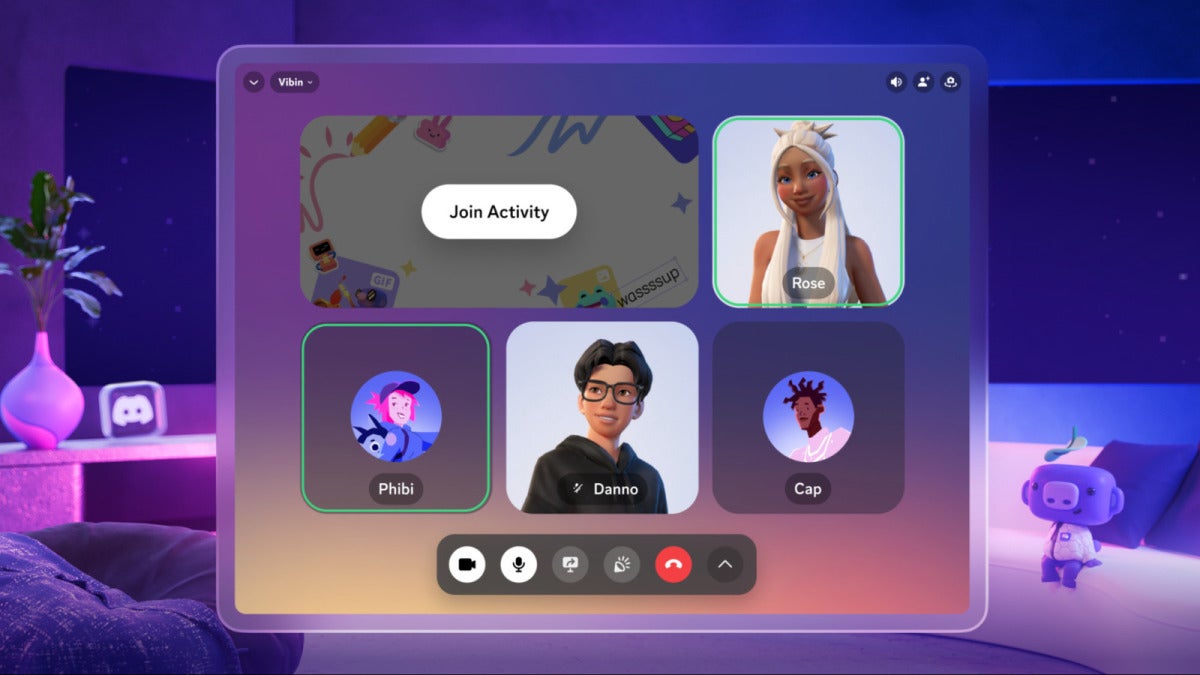
That’s a big improvement for anyone who’s been forcing Discord to work in VR through browser tabs or sideloaded Android apps. You can keep it running inside the headset while you play, hang out, or hop between apps, without dealing with the clunky performance, microphone issues, and shaky streaming that came with those older workarounds. Meta and Discord also say you can stream gameplay straight from your headset to Discord friends and use Meta Avatars in video calls. This feels like more than a basic port.

If you use Discord on Quest a lot, this one’s worth downloading. It’s the native app Meta said was coming at Meta Connect 2025, and it builds on the account-linking update from December 2025 that lets you share your VR activity status. Meta says the app is available now from the Meta Horizon Store, and Discord says anyone who logs in before September 30, 2026 will get one free month of Discord Nitro.

Google Play opens up outside billing on June 30: US, UK and EEA first

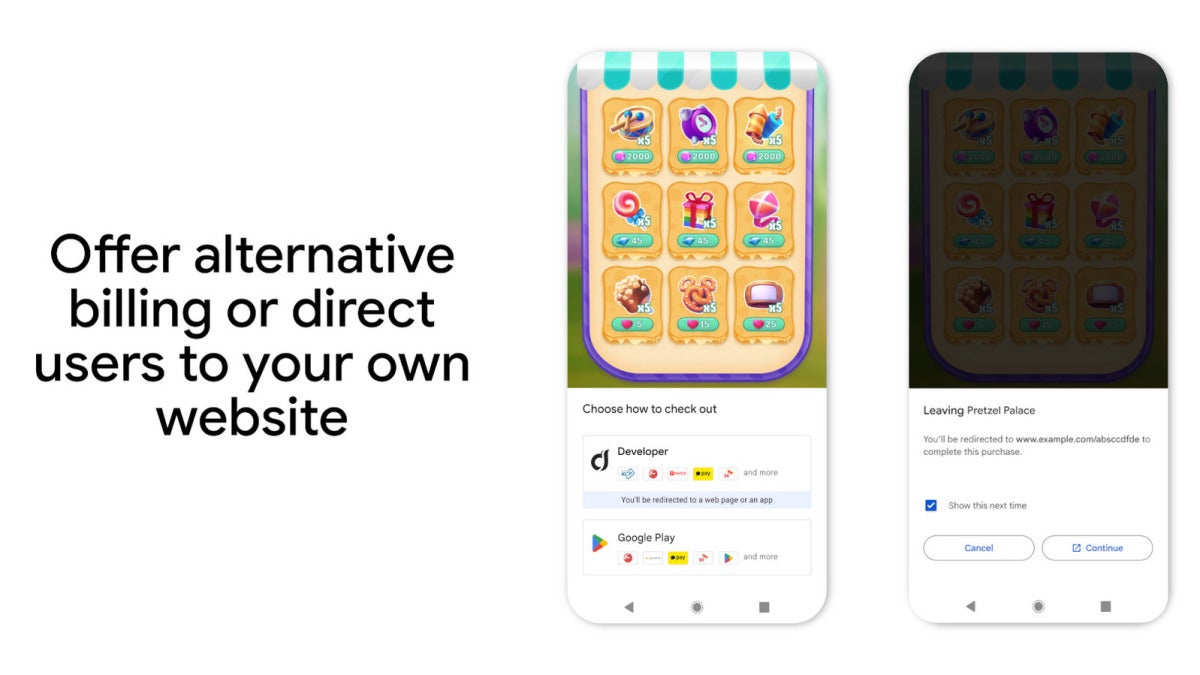
On June 30, Google Play will start letting developers in the US, the UK, and the European Economic Area offer other ways to pay for digital goods in Android apps. Google is also changing how its fees work.

For anyone selling digital goods through an Android app, that means Google Play checkout won’t be the only option anymore. Developers will also be allowed to send users to their own websites to complete a purchase, which gives them more room to set prices, run promotions, and manage the customer relationship themselves.

The fee model is shifting too.

Google says developers will pay a 10% service fee on the first $1 million they make in annual revenue. Once they pass that mark, the rate will usually move to 20% for new installs and 25% for existing installs.

The separate 5% billing fee will apply only when developers keep using Google Play billing. Smaller developers should feel that change more clearly, while larger companies may not save as much if they still want Google’s billing tools because they trust them more or think they convert better.

If you run subscriptions, games, or any other digital business on Google Play, this is something you’ll want to watch closely.

The move comes after years of pressure from developers, the Epic Games antitrust fight, and regulators such as those behind the EU’s Digital Markets Act, even if most users probably won’t notice much right away.

Google says the rollout begins on Google Play for Android apps in the US, the UK, and the EEA.

After that, it reaches Australia on September 30, 2026. Japan and South Korea follow by the end of 2026, with a broader expansion planned for September 2027.