Spain proposes tough data-center rules: grid access at risk below 80% renewables

Spain has put forward a draft decree for new data centers that, if it goes through, would give the country some of the strictest sustainability rules for these facilities anywhere in Europe.

The draft says that if you bring a site larger than 1 MW online, you’ll need to match 80% of its electricity use with renewables on an hourly basis, not through annual certificates. Fall short of that mark, and you could, in the end, lose access to the grid. The same proposal would also require all data and metadata to be stored inside the EU.

It goes further. For every 1 MW of capacity you add, you’d have 18 months to put 1 MW of new renewable generation in place. That’s a tougher standard, and it could leave operators relying more on batteries, storage, and more complicated power agreements. It could also drive up costs and put Spain’s appeal to the test, even with its solar and wind resources, cable connections, available land, and a projected €21 billion in digital infrastructure investment by 2027.

If you run data centers in Europe, or invest in them, keep an eye on this. The industry has been asking for clearer grid rules, but it also says terms this rigid could hurt competitiveness at a time when operators are already dealing with connection delays, closer scrutiny, and pressure over climate impact. Germany and Ireland are tightening policy as well.

For now, Spain’s decree is still only a draft.

Apple patents fuel camera AirPods rumors: why you shouldn’t expect them yet

Apple hasn’t announced AirPods with cameras, even though some reports are making it sound like earbuds with image capture and a warning light are right around the corner. For now, that looks more like a mix-up than a real leak or any kind of official reveal. Apple hasn’t confirmed anything, and there’s no credible public sign that a launch is close.

What Apple does have is a patent trail. Patent filings from 2023 describe ear-mounted or earbud-style devices that could take photos and record video. Another Apple filing covers wearable cameras that could identify people and even check body temperature.

That tells you Apple is at least exploring smaller body-worn cameras beyond the phone and the watch. You can imagine the appeal: environmental sensing, accessibility features, hands-free visual capture. Still, patents aren’t a product roadmap, and big companies file plenty of them for ideas that never turn into something you can actually buy.

So if you’re holding out for camera AirPods, don’t expect them yet. There are still a lot of unanswered questions, including battery life, heat, image quality, comfort, and privacy.

You can already buy camera wearables such as Meta’s Ray-Ban smart glasses, which come with a 12-megapixel ultra-wide camera, livestreaming, and an LED recording light. But the same problems follow them around: privacy concerns, hacking risks, uneven rules from one country to the next, and the strain they put on basic social norms in public.

So far, Apple has nothing for you to buy or download.

Google Pixel 11 now turns ringtones into custom vibrations

Google has updated the Pixel 11, and the whole Google Pixel 11 lineup now comes with vibration patterns that match supported built-in Pixel Sounds ringtones, plus per-contact choices like Heartbeat, Gears, and Rattlesnake in the Sound & vibration settings.

Zedge Download

On the Google Pixel 11, that means your phone can feel different depending on who’s calling instead of hitting you with the same stock buzz every single time. That’s a lot more useful when you’re in a meeting, stuck on a loud commute, asleep, or if you’re deaf, hard of hearing, or just someone who keeps the phone on vibrate.

Google’s haptics on Pixel phones are already strong, so this has a good foundation. Still, it isn’t some brand-new idea. Apple has had per-contact vibration customization since iOS 5, reviewers still treat Apple’s Taptic Engine as the standard for precision, and Samsung has been putting serious effort into premium haptics on its flagship phones too.

If your phone lives on vibrate, this is a small upgrade that actually makes day-to-day use a little better, and it’s worth getting. The catch is that, at launch, it’s limited to the Google Pixel 11 lineup and to a smaller set of built-in ringtones, not every sound saved on your device.

The update is available now for the Google Pixel 11 series. It won’t change the way you think about your phone, but it does line up with the broader push toward richer haptics across mobile devices, especially as market forecasts put the sector at $5.76 billion in 2026 and $22.76 billion by 2033.

Software-defined cars enter their next phase: intelligence is the next battleground

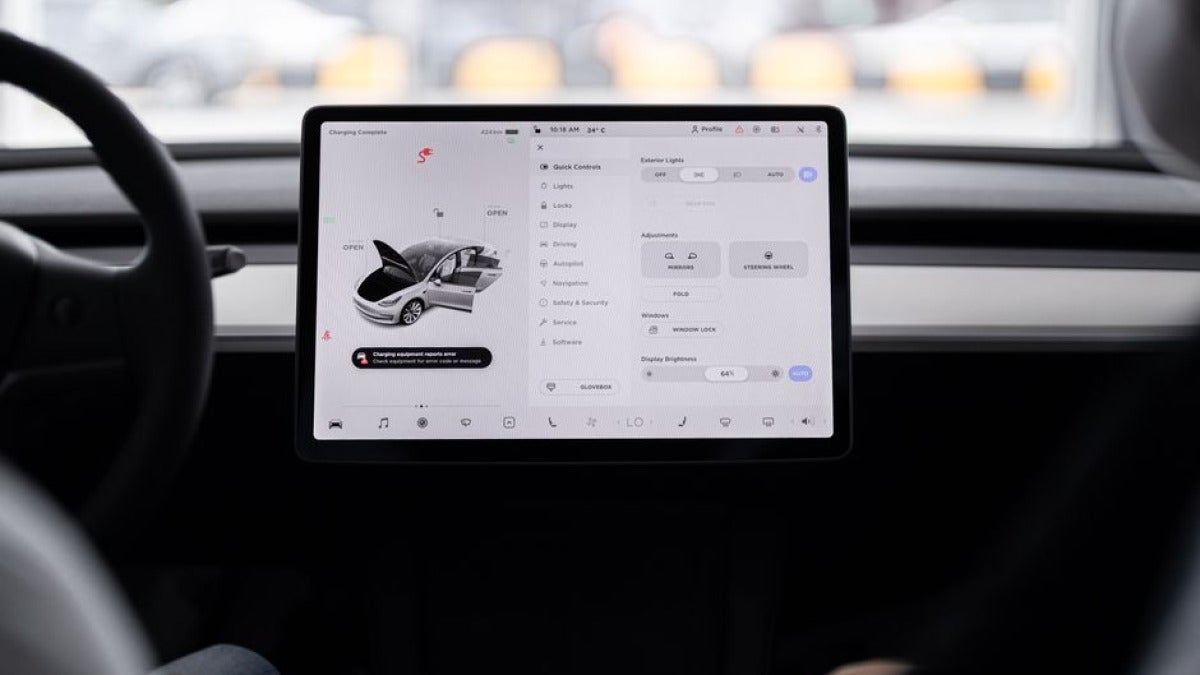
In 2024, software-defined vehicles, or SDVs, have moved into their next stage. These cars run on centralized computing, constant connectivity, and software that can be updated, and they’re starting to add adaptive intelligence that gets better over time and makes the driving experience more personal.

Android Auto Download

For a lot of buyers, the draw of a new car isn’t shifting toward horsepower anymore. It’s driver assistance, EV range, digital screens, and connected services, all sitting on top of centralized computing, connectivity, and updateable software that reads road conditions, picks up on your routines, and starts to anticipate what you want.

The SDV market is $207.76 billion in 2024 and is expected to hit $2.45 trillion by 2033, a 31.6% CAGR. Vehicle intelligence software is also set for fast growth, largely because over-the-air updates can keep improving features long after you’ve bought the car.

Those updates can sharpen your navigation, infotainment, battery management, climate control, and driver-support systems without sending you to the dealer. NVIDIA, LG, Stellantis, and Microsoft are all pushing this forward through smarter in-car computing, connected services, cybersecurity, and engineering work.

Maps and road awareness matter just as much. They help the vehicle deal with junctions, lane changes, and energy use along your route with less friction. Automotive location intelligence is projected to grow from $5.92 billion in 2024 to $18.18 billion by 2033, even with regulation, liability, privacy, cybersecurity, talent shortages, restructuring, and trust all getting in the way.

If you’re the kind of person who shops for a car because of the tech, keep an eye on this.

And these capabilities won’t arrive as one app or a single download. You’ll get them through connected, over-the-air platforms built by carmakers and their partners.

Google’s pocket translator now runs offline on Raspberry Pi 5

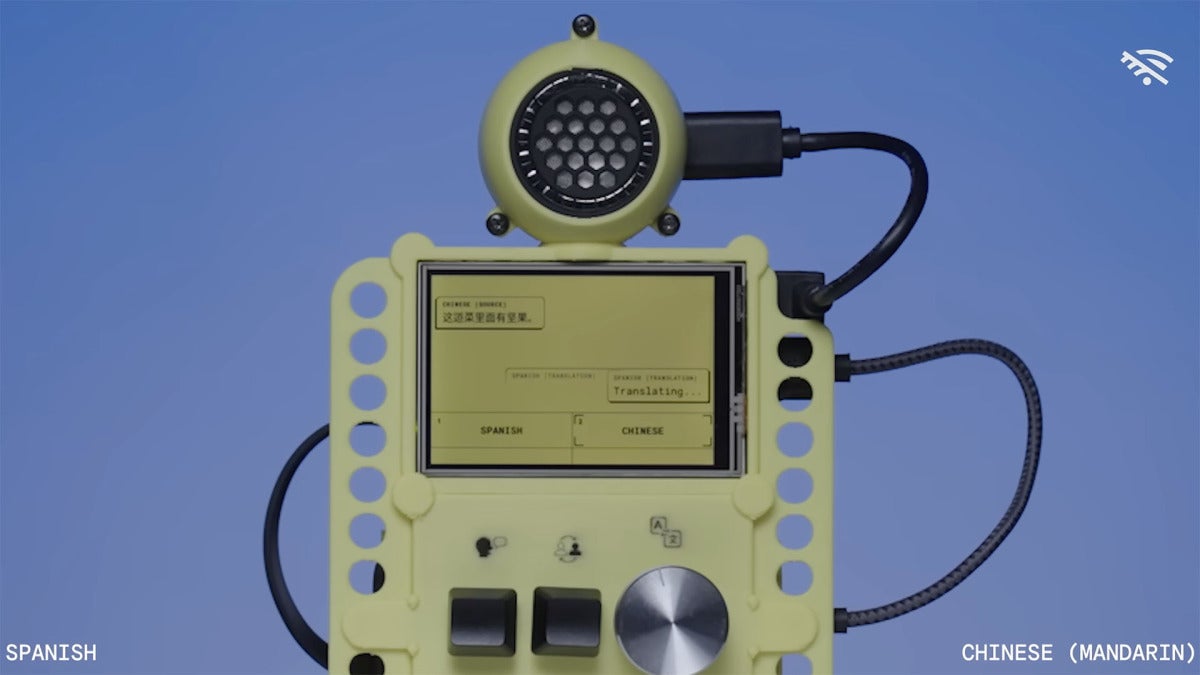
Google has put out an offline translator prototype: a handheld built around a Raspberry Pi 5. Google says it delivers local speech translation with a Gemma 4 model, along with a speaker, a microphone, and a 3D-printed case.

Google Translate Download

Everything runs on the device, so your conversations don’t have to go back and forth to the cloud. That gives you more privacy, less lag, and more dependable performance when your connection is weak, spotty, or gone entirely.

Google has also open-sourced the project on GitHub, which means you can build your own version for travel, field work, on-device assistants, or other portable language tools. Just keep the usual tradeoffs in mind. Smaller offline models still tend to do worse with complex phrasing, niche terms, lower-resource languages, background noise, and accents.

If you’re after private translation without roaming fees, a data center in the middle, or pricey custom hardware, this is a project worth checking out, especially because the Raspberry Pi 5 is cheap hardware and a pretty clear sign of how far edge computing has come.

You can download the code and build instructions from GitHub right now, but you’ll need to source the parts, put the unit together, and deal with setup and troubleshooting on your own.

Humanoid robots surge 272% in 2026: China supplies 97% of shipments

Global humanoid robot shipments jumped 272% year over year in the first half of 2026, climbing from roughly 5,100 units to more than 19,100, based on the latest industry reports.

The momentum is coming from actual industrial use. Those same reports say factories, warehouses, and other commercial buyers accounted for more than 70% of shipments, up from around 50%. Labor shortages in manufacturing, logistics, and healthcare are helping push that demand, and so are better hardware, stronger software, and lower costs. The pilot programs are already happening in the real world. BMW and Mercedes-Benz, for example, are testing humanoid robots for logistics, material handling, inspection, and assembly-line support.

China is well ahead of everyone else. The latest numbers show it accounting for more than 97% of shipments and about 85% of demand, while Agibot and Unitree Robotics together held roughly 75% of the market. Agibot was the clear leader, with 8,400 units shipped and a 44% share.

If you follow robotics, this market update is worth a look. The reports project revenue rising from $2.4 billion in 2025 to $4.2 billion in 2026, then topping $40 billion by 2033. Still, wider adoption could slow if safety, reliability, cost-effectiveness, and trade barriers remain issues. That includes the US ban on new Chinese humanoid robot imports. If you want the latest humanoid robot market figures, those reports have them.

Windows 11 updates are now gentler: there’s a new catch

Microsoft changed the Windows 11 update experience in April 2026. The update cuts down on restarts, lets you pause updates for up to 35 days, and, on some newer PCs, gives you the option to skip certain updates during setup.

That gets at one of the biggest complaints people had with Windows 10: surprise restarts and forced installs. After Microsoft’s April 2026 changes, many users should now see one monthly reboot instead of several. That matters. A 2021 survey found that 44.02% of respondents were dissatisfied with Windows 10 updates.

If you want more control, this change is probably worth taking. You still need to install security patches quickly. When fixes are delayed, known vulnerabilities stay open. WannaCry made that painfully clear, showing how fast unpatched systems can get hit. Microsoft is also still shipping a high volume of fixes. For businesses, that extra flexibility may come with tradeoffs: weaker compliance, and a higher breach risk for less technical users or people on older PCs.

You can get these changes on Windows 11 through Windows Update. Windows 10, meanwhile, has had no free security updates since October 14, 2025, according to Microsoft, so at this point you need to move on or pay for Extended Security Updates coverage.