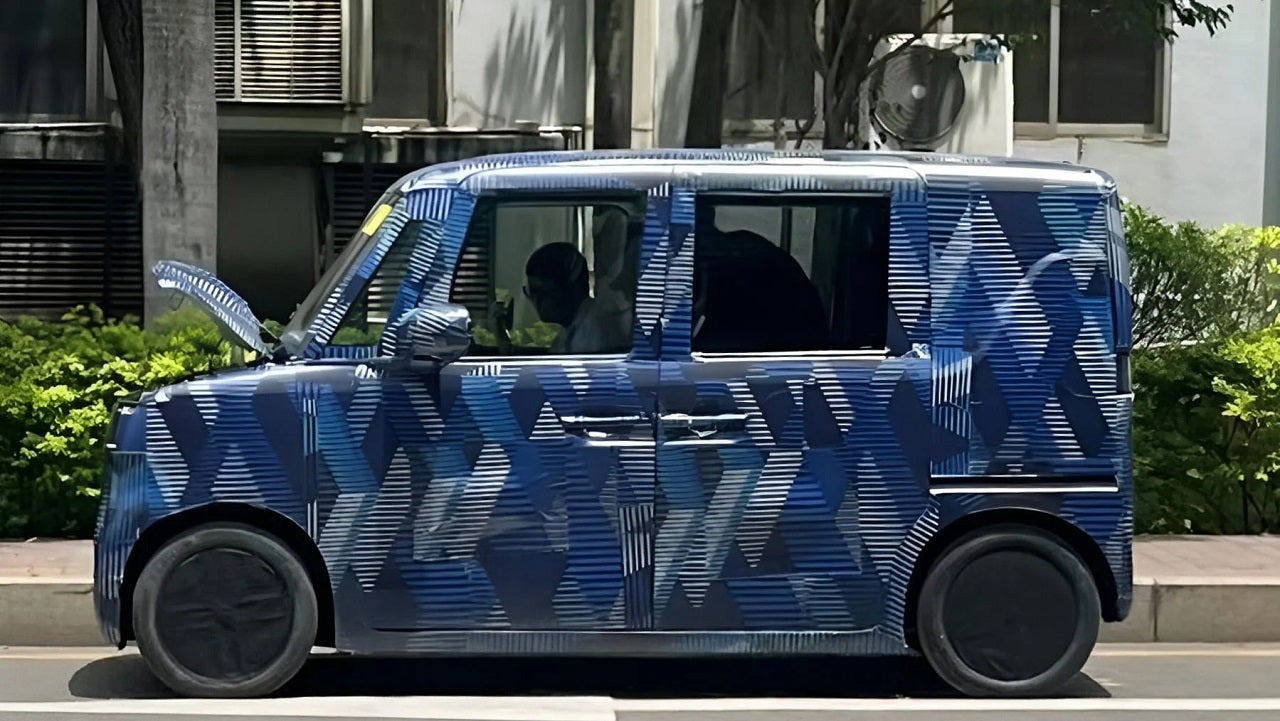
BYD is on the brink of launching its first kei car, a significant entry into Japan’s ultra-competitive automobile market.
The new mini EV, which was recently spotted during a road test, offers a glimpse into BYD’s efforts to capture the kei car segment that has exploded in popularity.
These compact vehicles, specifically limited to fewer than 3.4 meters in length, are tailored for Japan’s narrow streets and urban landscapes, making them both an accessible and efficient option for city dwellers.
BYD Set to Enter Japan’s Kei Car Market with New Mini EV
The upcoming model is expected to feature a 20 kWh battery that provides an estimated range of 180 km (approximately 112 miles) on a single charge, thanks to BYD’s proprietary Blade LFP batteries.
This configuration could bolster BYD’s price advantage in a market where affordability is crucial. Analysts anticipate the mini EV will be priced at around 2.5 million yen, or about $18,000, aligning closely with competitors like the Nissan Sakura, which holds the title of Japan’s best-selling electric vehicle from last year.
In 2022, the kei car segment sold approximately 1.55 million units in Japan, constituting nearly 40% of new vehicle sales, with the Honda N-Box retaining its status as the best-seller for three consecutive years.
However, industry observers are already positioning BYD’s electric kei car as a potential “huge threat” to established players, especially among younger demographics who may view BYD more favorably. A dealer from Suzuki noted, “Young people do not have a negative view of BYD,” emphasizing the brand’s growing acceptance in a market traditionally dominated by Japanese manufacturers.
BYD has already established a foothold in Japan with various electric vehicles, including the Atto 3 SUV and the recently launched Sealion 7 midsize SUV. As the company gears up for this landmark release, the stakes are high as it seeks to carve a niche in the kei car market.