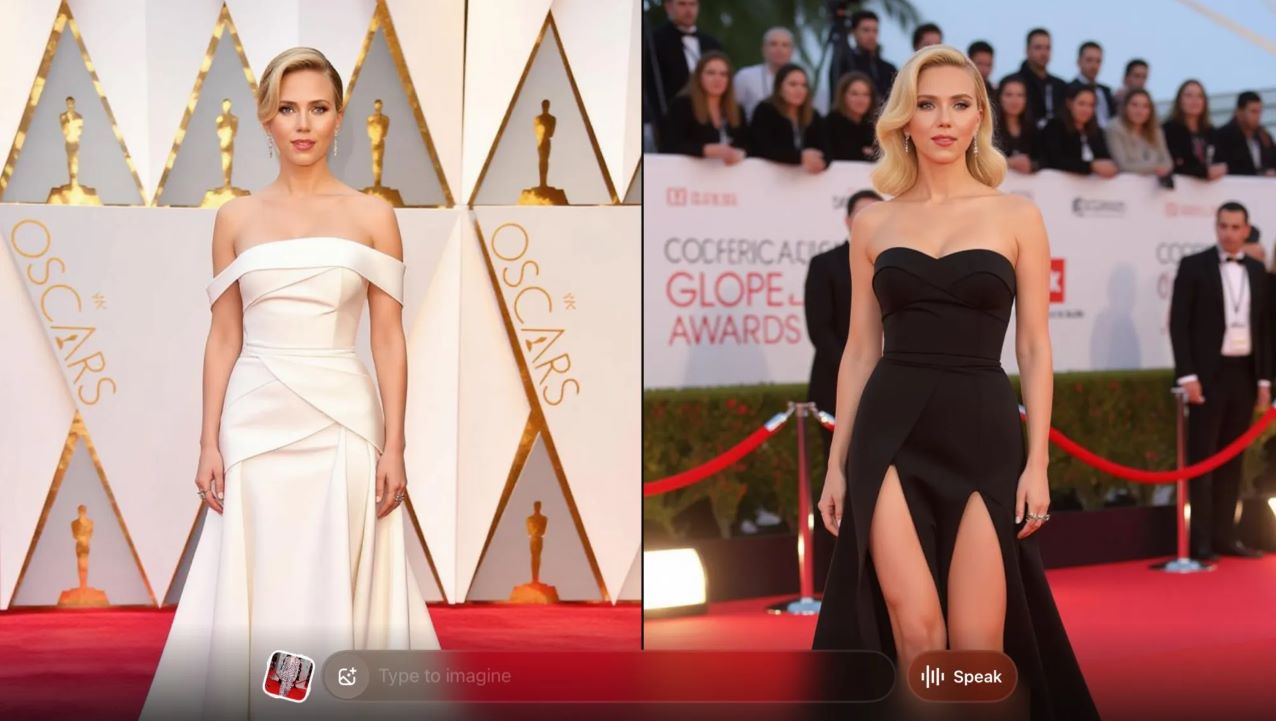
Elon Musk, known for his changing views on artificial intelligence, has shifted from being an alarmist to becoming a defender of AI. This turn has caught attention on platforms like X/Twitter, where the entrepreneur has begun to promote the new frontiers of technology. In this context, the Grok Imagine tool has been launched, aimed at the rapid generation of videos, especially among Apple users.
Bordering Ethics
Grok Imagine allows users to create audiovisual content quickly, which has generated both interest and concern. Recently, the tool has been used to create controversial deepfakes, specifically “deepfake nudes” of celebrities. This use of technology raises important ethical questions, as it highlights the potential for abuse in the manipulation of images and videos.
As digital content generation continues to advance, the debate over the ethics of tools like Grok Imagine intensifies. Experts warn about the inherent risks of creating materials that can damage the reputation of public individuals without their consent. The ability to generate realistic images of anyone, especially in compromising contexts, raises serious concerns about privacy and integrity.
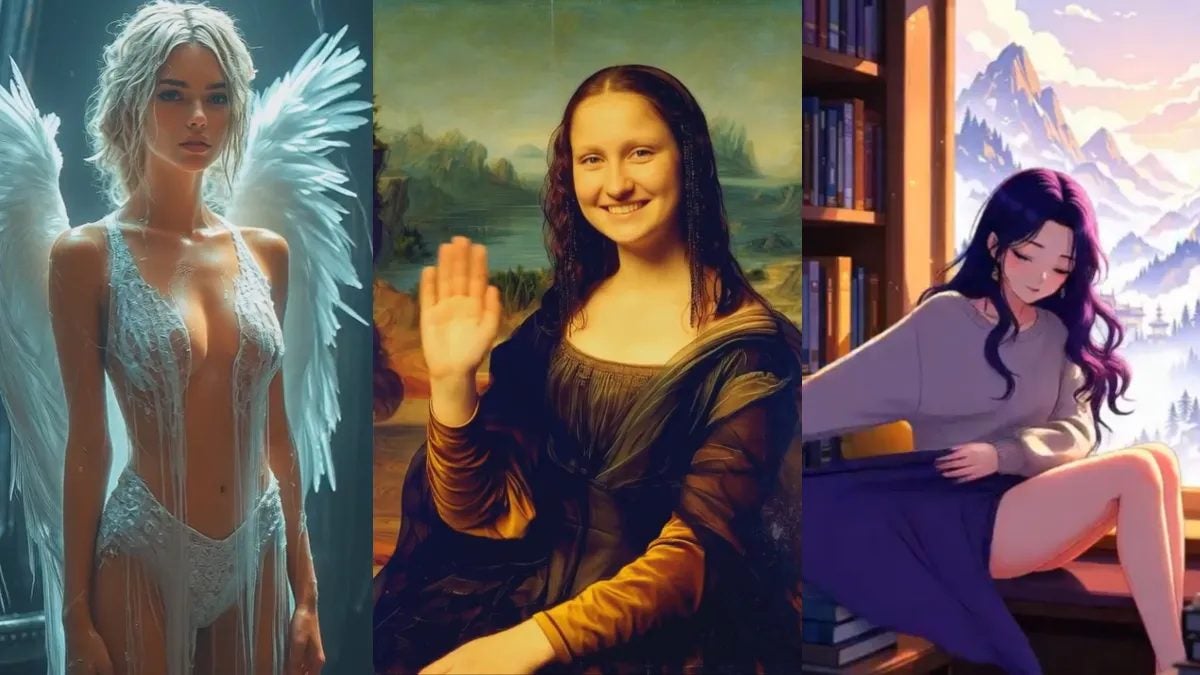
The use of Grok Imagine and the evolution of Musk’s perspective on AI may reflect a broader trend in the tech industry, where the benefits of innovation must be carefully balanced with ethical responsibilities. Although Grok Imagine promises to revolutionize content creation, the community and lawmakers must work together to establish guidelines that protect individuals from potential abuses.