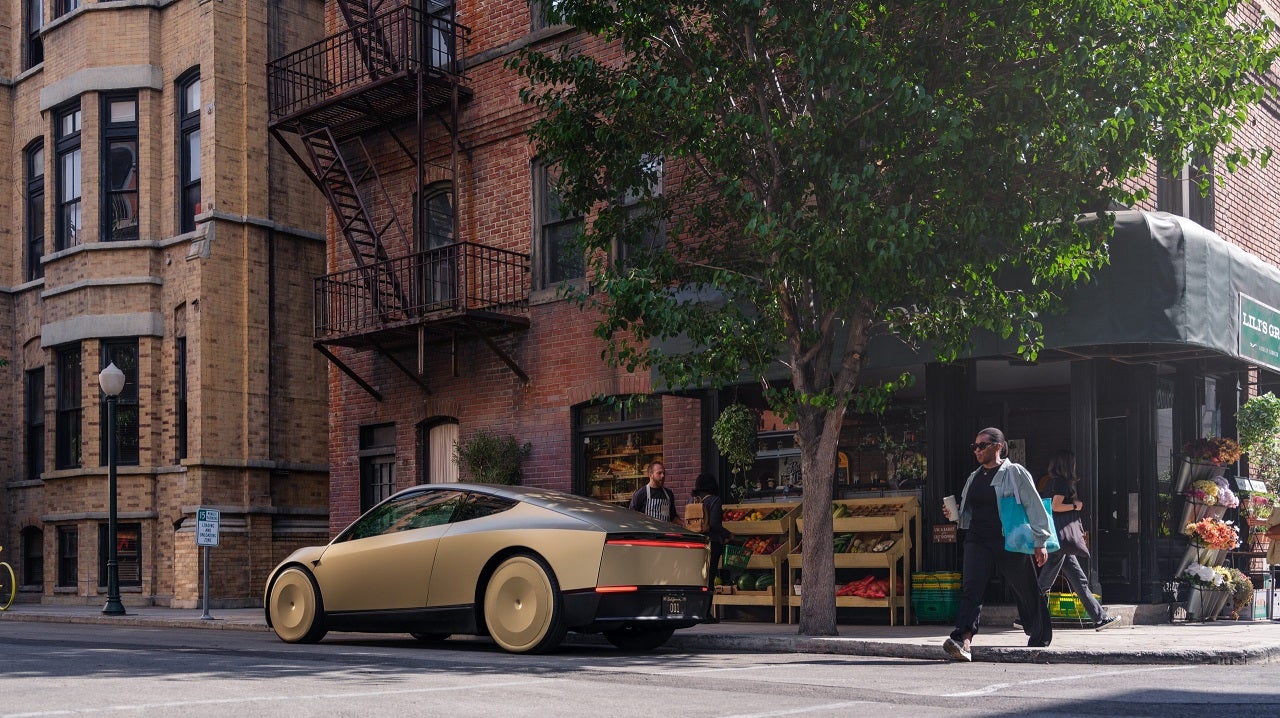
Tesla’s ambitious plan to roll out its robotaxi service in Austin, Texas, has sparked skepticism ahead of its June launch deadline set by CEO Elon Musk.
Despite the pressure from rival Waymo, which operates autonomously across several cities and records over 200,000 rides each week, Musk remains steadfast, touting Tesla’s advancements in self-driving technology.
However, indications suggest that the upcoming rollout may be less revolutionary than promised.
Rushing Tesla’s Robotaxi: A Risky Move in a Regulatory Minefield
Musk himself has a history of missed deadlines regarding Tesla’s autonomous vehicles, often leading to criticisms of his credibility. In fact, he has previously claimed that full autonomy would be achieved “by the end of the year” for several years running, making his latest assertions feel like a familiar refrain.
In a twist, Tesla’s robotaxi service will rely on a geo-fenced area in Austin, limiting operations to specific routes and intersections. This approach necessitates a system of teleoperation and undermines the notion of true self-driving capability that Musk has long promised.
Critics have noted that without the ability to navigate complex scenarios independently, the service mirrors the operational limitations of rivals like Waymo, which spent months rigorously testing its vehicles in similar conditions.
Concerns over safety abound as Tesla has not disclosed crucial data regarding intervention rates during tests. Estimates suggest a high probability of accidents every 444 miles without a driver ready to assume control.
As Tesla races to reclaim its narrative as a leader in autonomous driving, the ramifications of these operational constraints raise serious questions about the viability and safety of their robotaxi initiative.
Many observers are questioning the wisdom of rushing this service to market, especially in a regulatory environment that may not exercise rigorous oversight. With Tesla’s credibility on the line, the June launch could either solidify Musk’s long-held promises or mark another significant setback for the automaker in its quest for self-driving supremacy.
