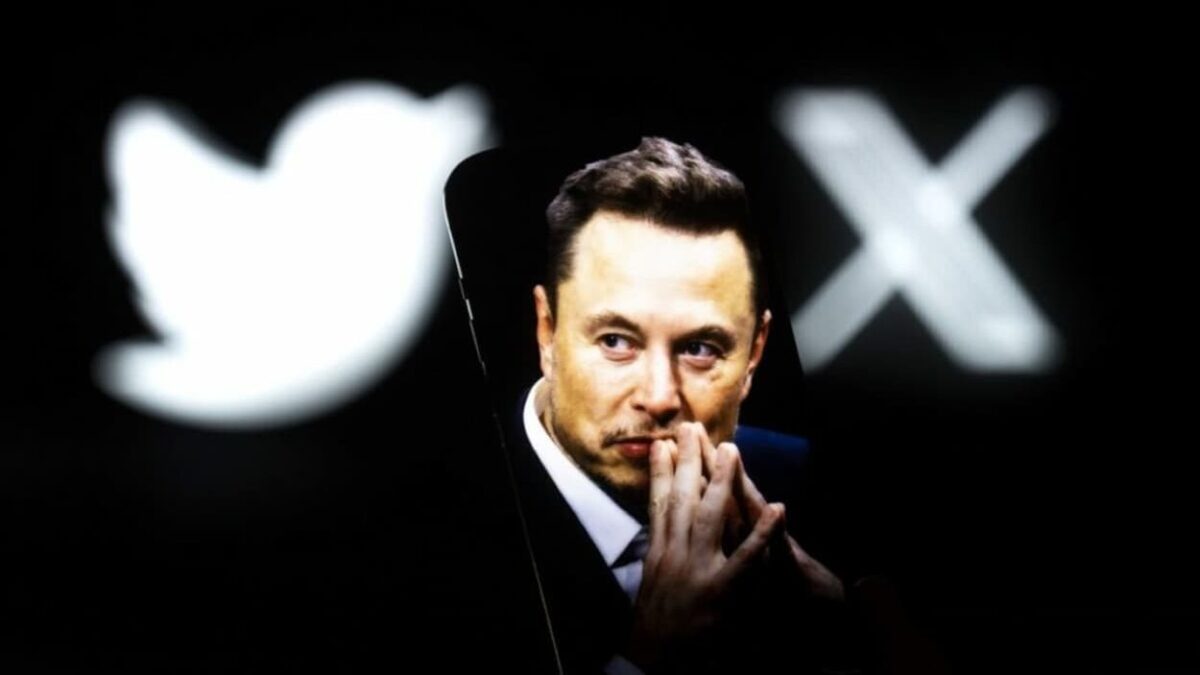
Elon Musk’s acquisition of Twitter, now rebranded as X, for $44 billion has come under intense scrutiny, particularly as Fidelity Investments revalued its stake to reflect a staggering 65% loss within a year.
Musk, aware he was overpaying, initially attempted to back out of the deal but ultimately financed the acquisition through a combination of personal funds and mounting debt.
In 2023, Musk launched xAI, a private venture aimed at developing artificial intelligence products.
Tesla Investors Sue Musk Over Alleged Breach of Duty Linked to xAI Venture
This development has raised eyebrows among Tesla investors, who have filed lawsuits against Musk for alleged breaches of fiduciary duty. Critics suggest that his control over xAI could serve as a backup plan to salvage the faltering Twitter investment, a concern further complicated by Musk’s proposal for Tesla to potentially invest in xAI.
Despite raising $12 billion for xAI with a $40 billion valuation, Musk prematurely declared the company’s worth at $125 billion following the Twitter acquisition, a figure widely regarded as inflated.
This raises ethical questions about potential self-dealing, especially given that Tesla’s stock has suffered amid declining deliveries and profitability.
Looking ahead, Musk’s vision appears to hinge on integrating xAI’s technology, notably its large language model Grok, into Tesla’s electric vehicles. He has previously suggested a $5 billion investment from Tesla into xAI, though this would require shareholder approval.
With Tesla’s stock price fluctuating against a backdrop of declining revenues and broader market instability, stockholder consent for such an investment might hinge on Musk’s assurance that xAI will translate into tangible benefits for Tesla.
As these developments unfold, many are questioning whether the interests of Tesla shareholders are being adequately protected amidst Musk’s ambitious schemes.