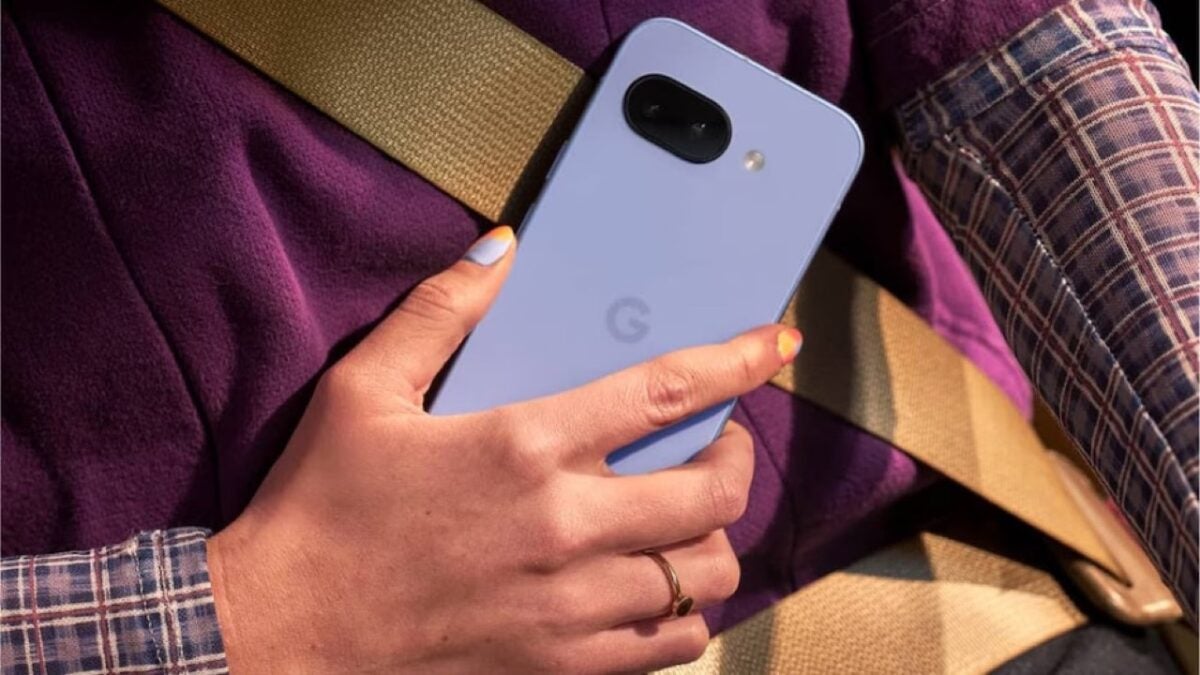
The mid-range smartphone market is more competitive than ever, with Google’s Pixel 9a and Apple’s iPhone 16e emerging as two of the most anticipated devices of the year. While both phones cater to different user preferences, their differences in design, performance, and features will determine which one stands out as the better choice.
Design and display
The Google Pixel 9a features a nearly flat composite plastic back, ditching the signature Pixel camera bar for a more uniform 8.9mm thickness. While some may find this change practical, others might miss the distinct Pixel aesthetic. The 6.3-inch pOLED display with 120Hz adaptive refresh rate and 2,700-nit peak brightness makes it an excellent choice for media consumption.
On the other hand, the iPhone 16e maintains Apple’s minimalist design, featuring a glass back, aluminum side rails, and a single rear camera. It’s notably more compact and lightweight at 146.7mm x 71.5mm x 7.8mm and just 167 grams. However, its 60Hz OLED display and large notch feel outdated compared to the Pixel’s modern design.
Performance and battery life
Both phones come with 8GB of RAM and powerful processors, but their real-world performance varies. The Pixel 9a’s Tensor G4 chip focuses on AI and machine learning, offering exclusive Google AI features. The iPhone 16e’s A18 chip is a binned version with one fewer graphics core, making it a step below flagship iPhones.
Battery life is another key factor. The Pixel 9a packs a massive 5,100mAh battery, offering up to 100 hours of battery life with Extreme Battery Saver. In contrast, Apple doesn’t reveal the iPhone 16e’s battery capacity but claims 26 hours of video playback—a strong result, though likely less than the Pixel’s endurance.
Cameras and software
The Pixel 9a features a 48MP wide camera and a 13MP ultrawide camera, delivering a versatile photography experience. Google’s advanced computational photography ensures stellar low-light performance and AI-powered editing tools. Meanwhile, the iPhone 16e relies on a single 48MP camera with sensor cropping for 2x zoom, which may feel limiting for photography enthusiasts.
On the software front, the Pixel 9a benefits from seven years of OS and feature updates, while the iPhone 16e enjoys the iOS ecosystem’s long-term support and exclusive apps.
Verdict: Which one wins?
For those who prioritize battery life, display quality, and AI-driven software, the Pixel 9a is the winner. However, if compact design, iOS exclusivity, and premium materials matter more, the iPhone 16e is a strong option.