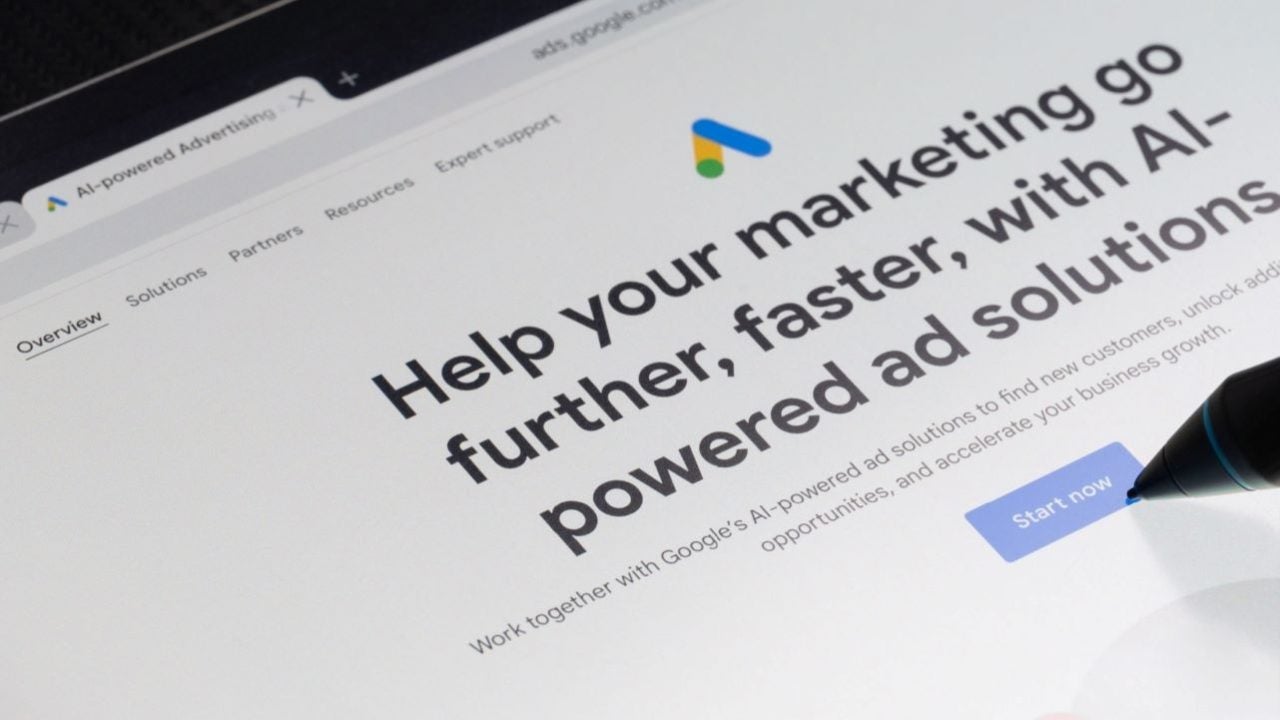
Google Ads has undergone a significant transformation, driven by artificial intelligence and automation, which has drastically changed the management of advertising campaigns. This change brings with it a promise of greater efficiency and performance, but also poses new challenges for advertisers, who must balance trust in these automated systems with human intervention.
Advertisements with low intelligence, very artificial
Smart Bidding strategies, such as Maximize Conversions, require a minimum volume of conversion data, at least 30 in 30 days, to be effective. However, in sectors with long conversion cycles and high values, such as the legal field, the effectiveness of artificial intelligence may be compromised. This is because a single high-value conversion can distort the data, making it difficult for the system to learn.
Despite the advantages of automation, it is crucial for marketers to carefully manage their resources. Automated suggestions can be helpful, but their implementation without review can lead to unnecessary expenses. On the other hand, creating customized automations allows advertisers to maintain full control over the specific actions they want to take.

The quality of the data feed in Google Merchant Center also determines the performance of automated campaigns. A well-structured and updated feed can significantly improve results. However, fully relying on automated features, such as Performance Max, can be problematic as they offer little transparency, leaving advertisers without the detailed control needed to optimize their campaigns.
Ultimately, the collaboration between artificial intelligence and human judgment is shaping up to be the key to navigating the complex ecosystem of Google Ads. While AI can handle the heavy lifting, advertisers must focus on strategy and control to maximize the impact of their campaigns.