If you’ve ever seen the same image in an Instagram ad and then spotted it again on a poster on the street, there’s a decent chance both came from the same hero asset.
If you want to create your own hero asset, or keep reusing one across different versions of a campaign so the look stays recognizable from one season to the next, here’s a straightforward way to do it in Firefly.

What’s a hero shot, and what’s a hero asset?
A hero shot is the image that makes your product look its very best. In ad terms, it’s the main product image, the one you’d put on a homepage, in a header, or anywhere else people are going to notice right away.
A hero asset is a bit broader. It’s the main piece the whole campaign is built around, the source material that later gets turned into social ads, posters, and everything in between. That asset could be a photo, an illustration, or even a video. The format matters less than the job it plays: it’s the starting point for the rest of the campaign.
A lot of the time, those two things overlap. A strong hero shot can also serve as the hero asset. One solid image can become the piece the entire campaign grows out of.
Why Firefly helps here
Firefly is Adobe’s generative AI model. It’s built into major Adobe apps like Photoshop and Premiere, though you can also use it on its own in a browser or through the official iOS and Android apps.
And it’s not limited to making images from text prompts. You also get tools like Generative Fill, Generative Extension, and text-based editing. If you want to keep working on something later, you can open it in Photoshop, Adobe Express, or another Adobe app.
For this kind of workflow, Firefly by itself may already be enough. You can change one part of an image without reworking the whole thing, which makes it practical for trying color shifts, lighting tweaks, and other variations without having to start over every time.
Start with your hero shot, then turn one image into four seasonal versions
Seasonal adaptations are easier than they sound. We’ll walk through the process in Firefly below, but first, one useful tip: keep the original file untouched and make all your edits on copies.
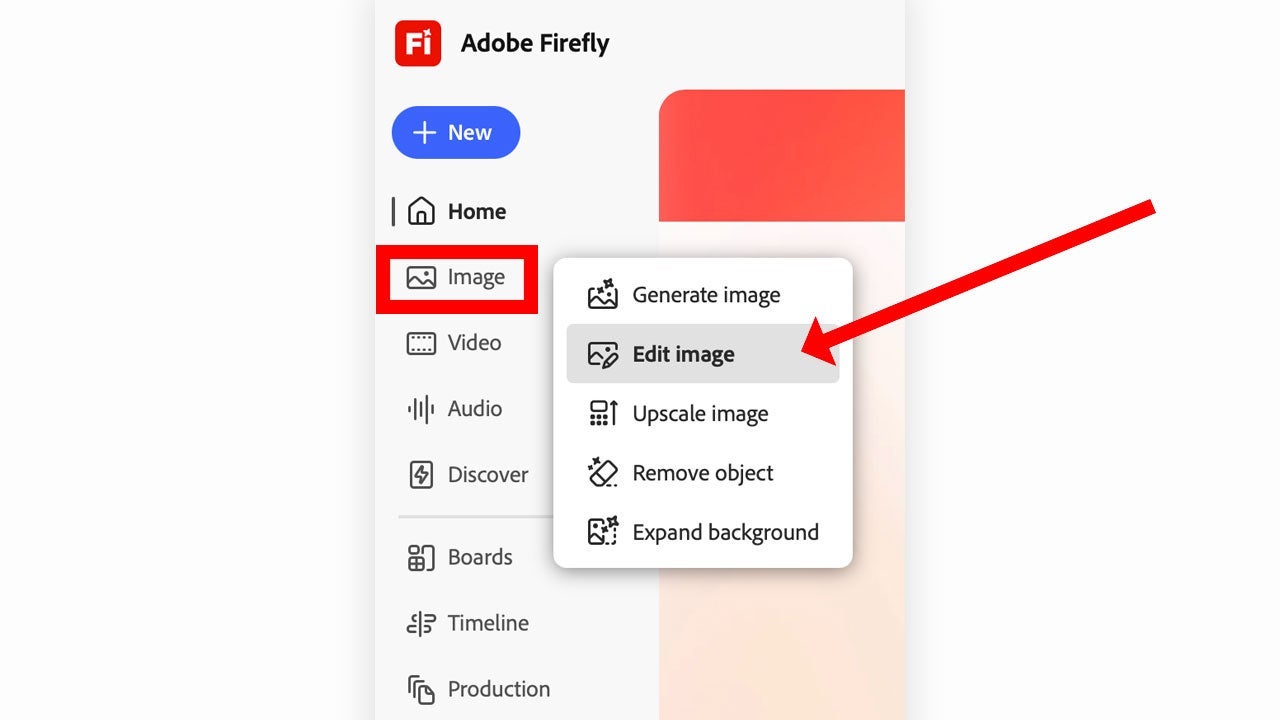
- Open the image in Firefly: From Firefly’s main page in your browser, go to the Image section and choose Edit Image. You’ll find those options in the bar on the left. Click Upload, add your image, then pick the Prompt tool.
- Paint only the area you want to change: Use the brush to mark only the parts you want to update for the season. Then type in what you want to appear. If you selected too much, or you just want to try again, erase part of the selection and redo it. Try not to paint over the product itself unless you want the model to alter that too.
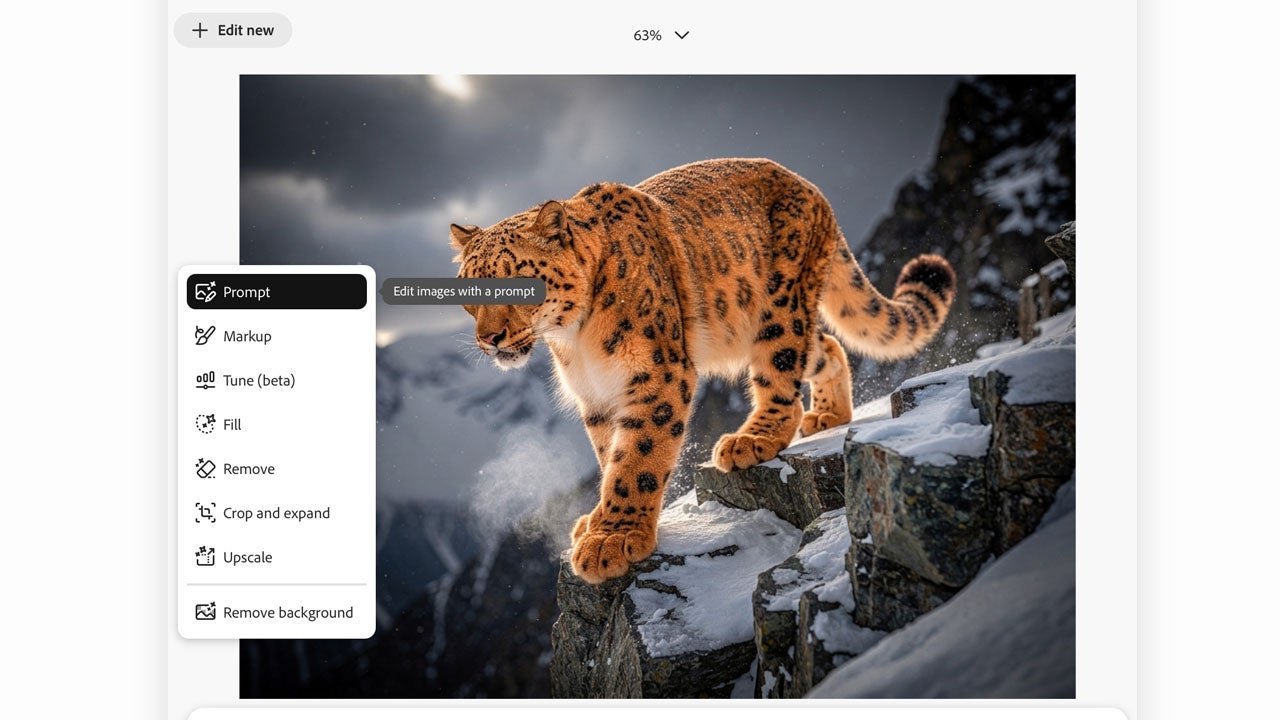
- Write clear prompts for each season: At this point, all you need is a short, clear description of what should change and how. It also helps to keep the prompt structure similar each time so the results don’t drift too much.
- Use reference images to hold the style together: If the different versions start to feel too far apart, add visual references. Firefly lets you upload reference images, and that can help keep the overall look more consistent from one generation to the next.
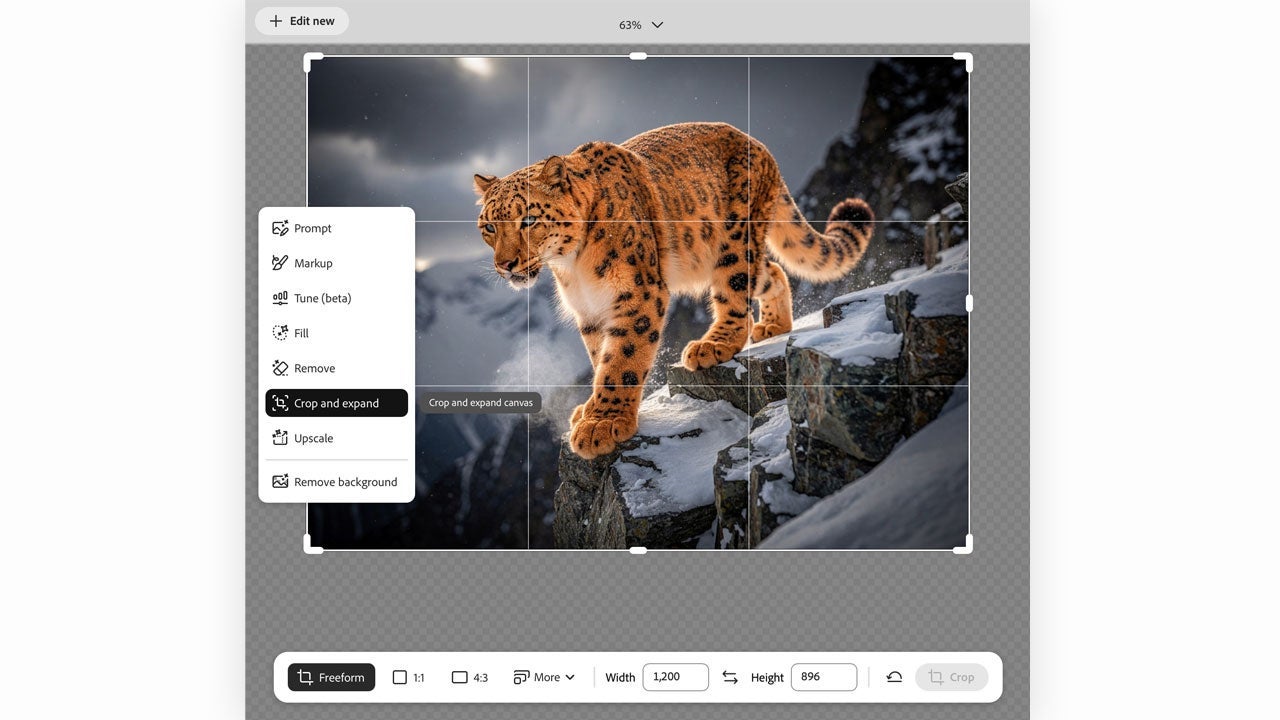
- Adapt each version to a different format: Once you’ve got your variations, test them in other formats and see how they work in placements like social posts or posters. For that step, use the Crop and Expand feature.
Once the variations are ready, you can keep refining them in Photoshop or Adobe Express. Photoshop gives you tighter control and access to more AI tools, including Generative Fill. Adobe Express makes more sense when you want to turn those assets into social content fast.
Train your own AI model in Firefly
If Firefly is already part of how you work, or looks like it’s about to be, then Firefly’s custom models are worth checking out. If you have a library of 10 to 30 images, you can train your own model so it reflects your visual style. Once it’s trained, you can use it on the Firefly website and inside apps like Photoshop, Adobe Express, or Illustrator.
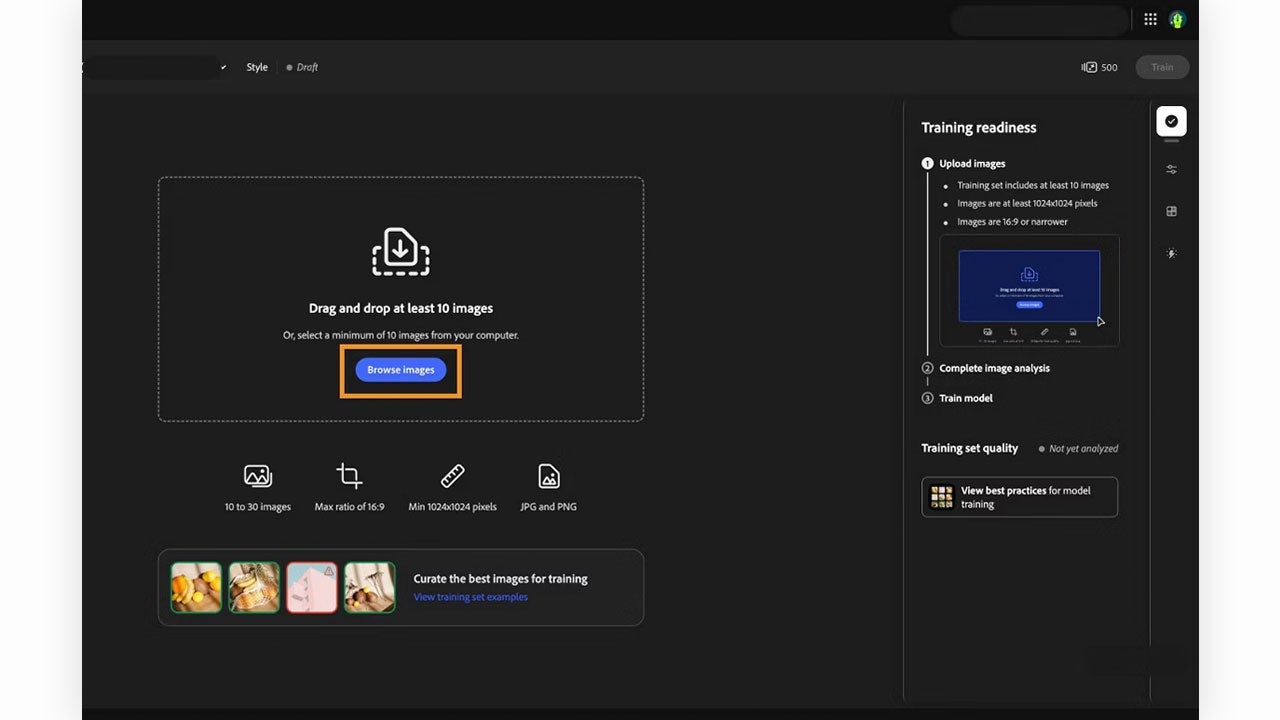
Right now, that feature is still in beta for individual creators and teams, while the more advanced options are geared toward companies.
Use your images anywhere, with fewer headaches
Firefly is meant to be commercially safe. So if you create something with Adobe’s model, you can use that work commercially and make money from it.
That only applies when Firefly is the model generating the content. Firefly also gives you access to third-party models like ChatGPT and NanoBanana. If you use one of those instead, the content is no longer treated as commercially safe, even if you made it inside the Firefly platform.
So it’s worth checking which model is active, especially if there’s any chance you’ll want to monetize that content later.
